A Smarter Way to Use Pensacola Barber Shop Services
Pensacola barber shop services can do more than make your hair shorter. The right combination of a cut, beard work, and simple maintenance can make…
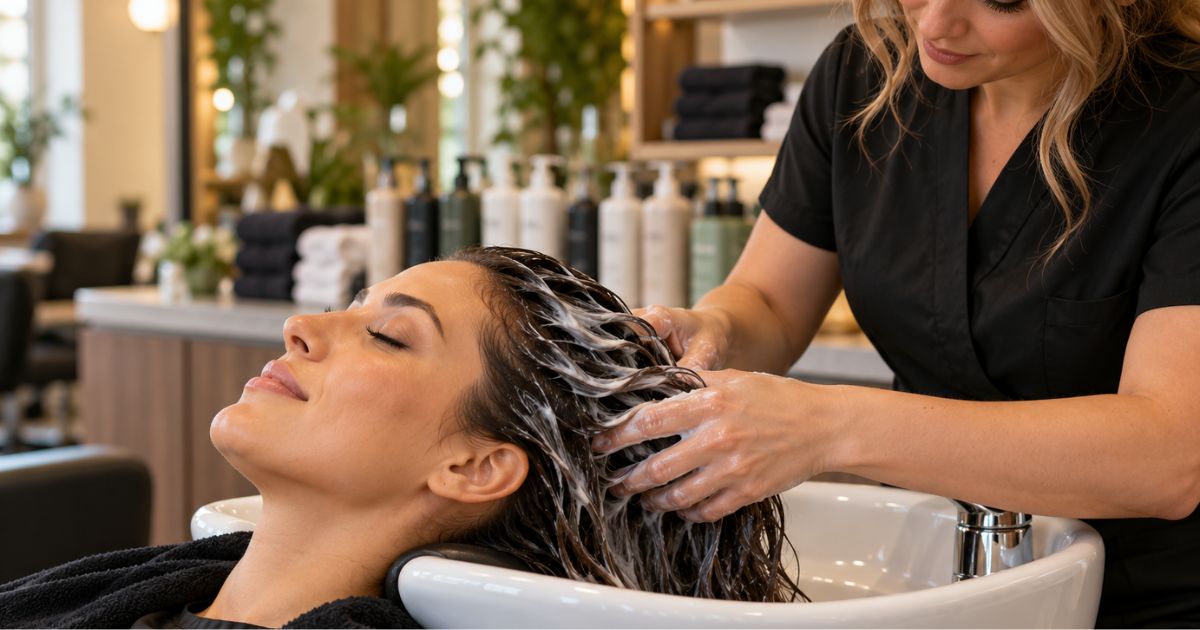
The most exciting changes in beauty are not always flashy gadgets or dramatic viral trends. Often, they are smarter ways of creating a look that suits the person wearing it. At a professional hair salon in Columbus, GA, that modern approach can begin with a thoughtful consultation and continue through customized cuts, color, treatments, extensions, and styling.
Today’s salon guests want more than a technically correct service. They want hair that reflects their personality, works with their natural texture, and remains manageable between appointments. This shift toward personalization is changing what it means for a salon to feel innovative.
For years, beauty trends tended to move in one clear direction. A particular haircut, highlight pattern, or smooth finish would become popular, and everyone was encouraged to try a version of it. Social media now introduces new ideas almost daily, but it has also made individuality more visible.
Instead of requesting an exact copy of a trending style, clients can use inspiration photos as a starting point. A stylist can then adjust the length, shape, tone, or maintenance plan to suit the guest’s features and routine.
This personalized approach matters because two people asking for the same look may need completely different services. Their hair density, existing color, natural texture, previous chemical treatments, and willingness to style at home can all influence the plan.
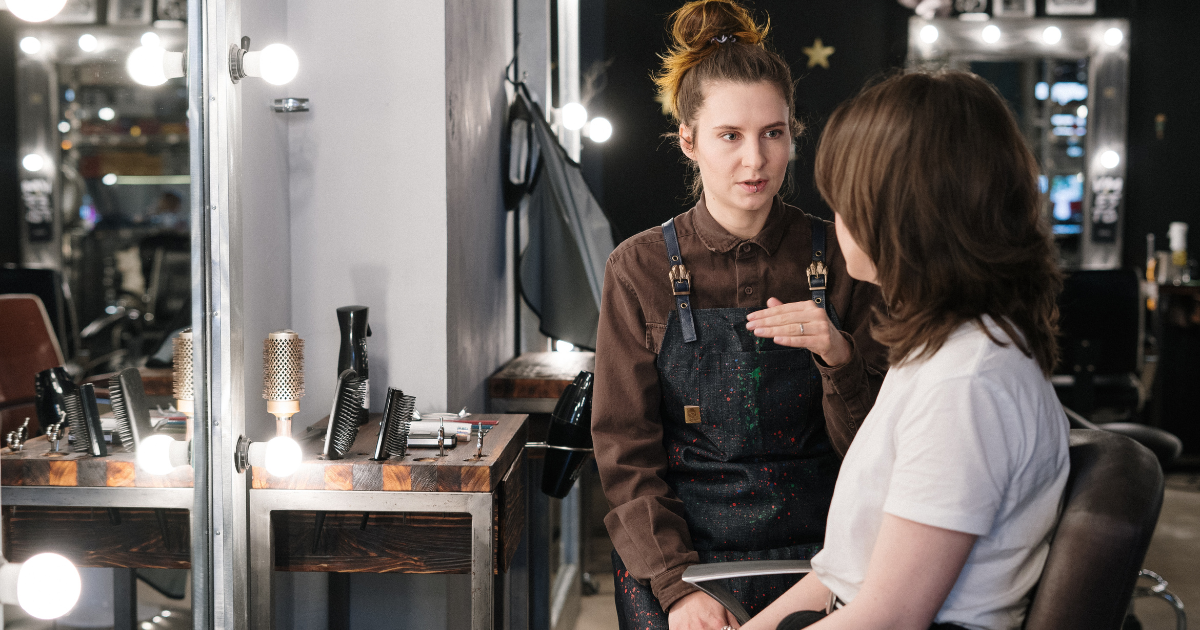
A strong consultation is one of the most useful tools in a modern salon. It gives the stylist an opportunity to understand both the visual goal and the practical details behind it.
Before an appointment, it helps to consider a few questions:
Honest answers allow the stylist to recommend something that fits everyday life rather than creating a look that only works on salon day. Bringing photos of styles you like is helpful, but photos of what you do not like can be equally informative.
A good haircut is not simply about removing length. Its structure can influence volume, movement, curl behavior, and how easily the hair falls into place. Strategic layering may encourage natural texture, while a stronger perimeter can create the appearance of fuller ends.
The smartest haircut is also one that respects the client’s normal routine. Someone who rarely uses styling tools may need a different shape from someone who enjoys a polished blowout several times a week.
Hair care at home remains important after the cut. The American Academy of Dermatology’s healthy-hair recommendations include choosing products for the individual hair type, applying shampoo primarily to the scalp, and using conditioner after washing. These simple habits can support the shape and appearance of a professional cut.
Modern hair color is increasingly about placement rather than applying one shade everywhere. Highlights, dimensional color, balayage, and customized tonal changes can be positioned to frame the face, create contrast, or produce a softer grow-out.
This is where professional planning becomes especially valuable. A color that looks effortless may require careful sectioning, formulation, timing, and consideration of the hair’s starting condition. The desired result may also need to be achieved gradually when the requested shade is significantly lighter than the current color.
Clients should share their complete color history, including home color. The U.S. Food and Drug Administration’s information about hair dyes explains why product directions, patch-test instructions, and safety precautions deserve attention. A stylist needs accurate information to make an informed recommendation.
Spacing chemical services appropriately can also help reduce unnecessary stress on the hair. Dermatologists provide additional guidance for coloring and perming hair, including recommendations for people who use more than one chemical service.
Salon treatments are most useful when selected for a clear reason. One guest may want greater softness and easier detangling, while another may be interested in reducing unwanted frizz. Someone else may want curls, body, or a more noticeable texture change.
A conditioning service, smoothing treatment, and perm do not perform the same job. Asking what the treatment is designed to change—and what it will not change—helps establish realistic expectations.
Clients considering a smoothing service can review the FDA’s consumer resources for hair products and ask the salon about the formula being used, expected aftercare, and ventilation practices. These questions are part of making an informed beauty decision, not a sign of distrust.
For a broader look at emerging service ideas, Sparkd’s overview of salon innovations worth the hype explores how useful advances can improve customization and the client experience.
Hair extensions can add length, fullness, or both, but the best results begin well before installation. Color matching, placement, density, maintenance, and the condition of the natural hair all need to be considered.
The goal should be a result that blends with the haircut and feels balanced. More hair is not automatically better. Too much weight or poorly planned placement can make extensions difficult to wear and maintain.
Clients should also understand the home-care routine before committing. Gentle detangling, correct product application, and scheduled maintenance can all support the appearance of the extensions and natural hair. If the scalp becomes uncomfortable or the natural hair appears stressed, the issue should be addressed promptly rather than hidden with additional styling.
Professional tools can create a beautiful finish, but innovation should also make styling more efficient. A well-planned haircut, color service, or treatment may help a client achieve the desired look without repeatedly using maximum heat.
A laboratory study published through the National Library of Medicine found greater surface damage when hair was dried at higher temperatures and shorter distances. At home, using the lowest effective setting, keeping the dryer moving, and allowing the hair to partially air-dry may help reduce unnecessary exposure.
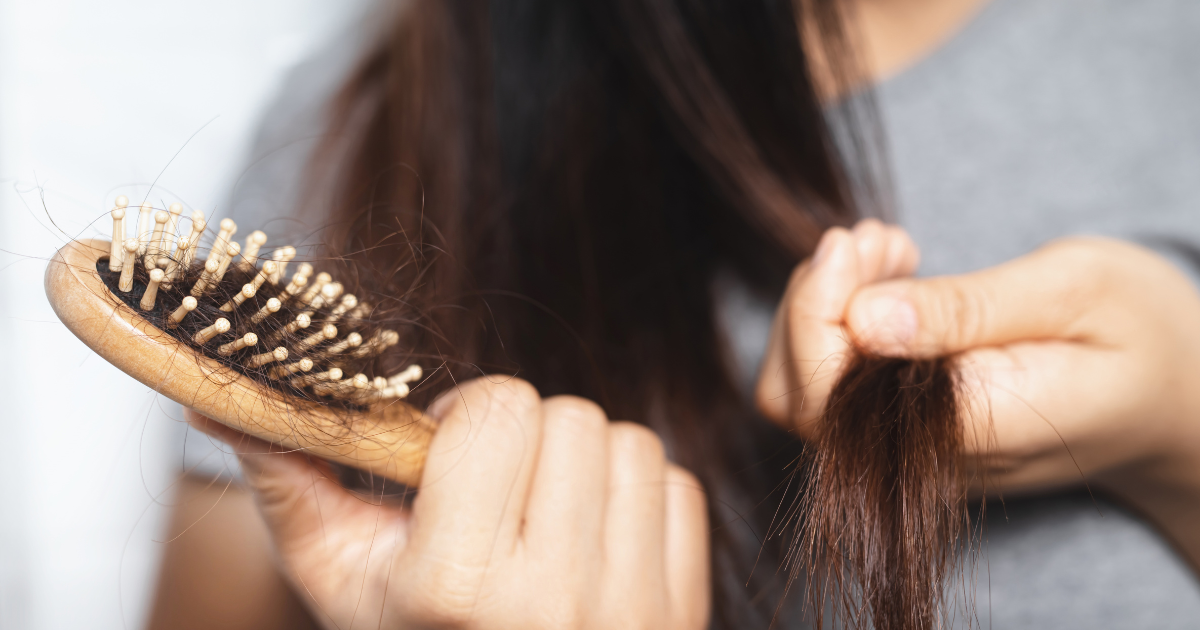
Clients should also be careful with tight hairstyles and repeated tension. The American Academy of Dermatology identifies several hair-care habits that can contribute to damage, including excessive heat and styles that consistently pull on the hair.
A style may be popular, but that does not automatically make it practical for everyone. Before choosing a major change, consider the full maintenance picture.
A short, highly shaped haircut may require frequent trims. Dimensional blonde color may need professional toning and specialized home care. Extensions require ongoing appointments, while a formal-event style may call for preparation based on the chosen accessories, neckline, and weather.
There is nothing wrong with choosing a higher-maintenance look when it fits your priorities. The key is understanding the commitment before the service begins. A modern salon experience should make that information clear.
Online booking, digital inspiration boards, advanced products, and evolving techniques can make salon visits more convenient and creative. However, technology cannot replace the value of listening carefully to a guest.
The most meaningful salon innovation is the ability to combine professional knowledge with personal attention. It means asking better questions, explaining realistic options, and designing a service around the individual rather than forcing every client into the same trend.
Euphoria Salon serves Columbus, Georgia, from its location in Patton Plaza off Whittlesey Boulevard. Its service selection includes cuts and styles, customized color, treatments, hair extensions, special-occasion styling, and waxing.
That variety allows a salon visit to begin with the client’s actual goal—whether that means refreshing a haircut, exploring dimensional color, improving manageability, adding fullness, or preparing for an important event.
Beauty innovation does not have to make hair complicated. At its best, it makes professional styling more personal, practical, and connected to real life. When creativity and consultation work together, a salon appointment becomes more than a trend update. It becomes a smarter way to express individual style.