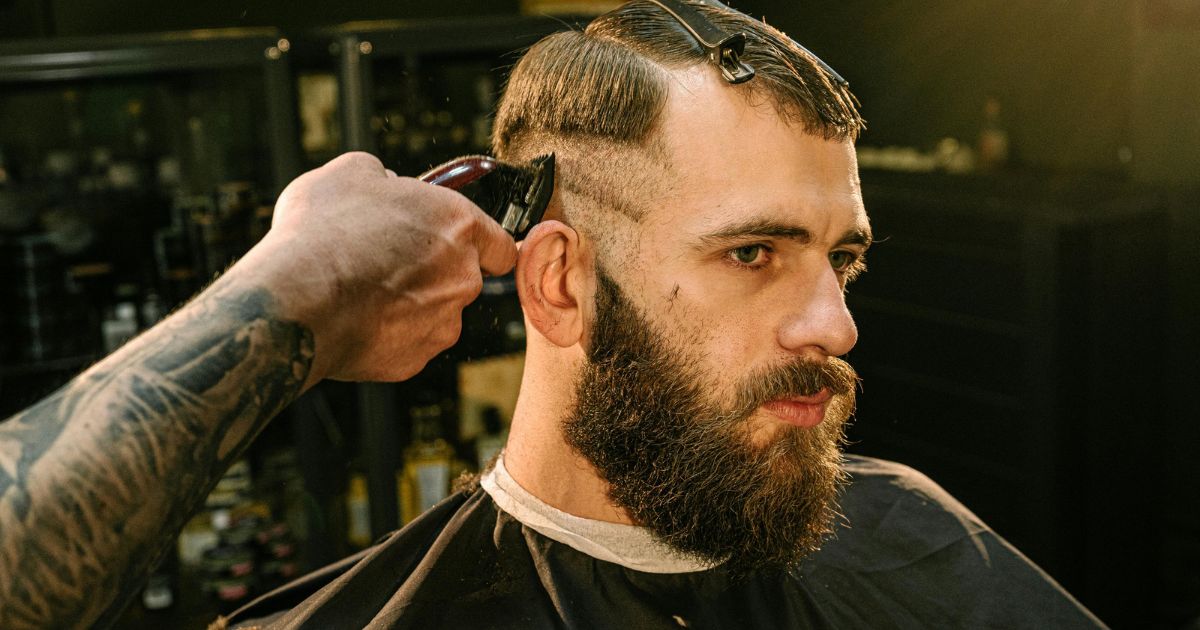
A Smarter Way to Use Pensacola Barber Shop Services
Pensacola barber shop services can do more than make your hair shorter. The right combination of a cut, beard work, and simple maintenance can make…


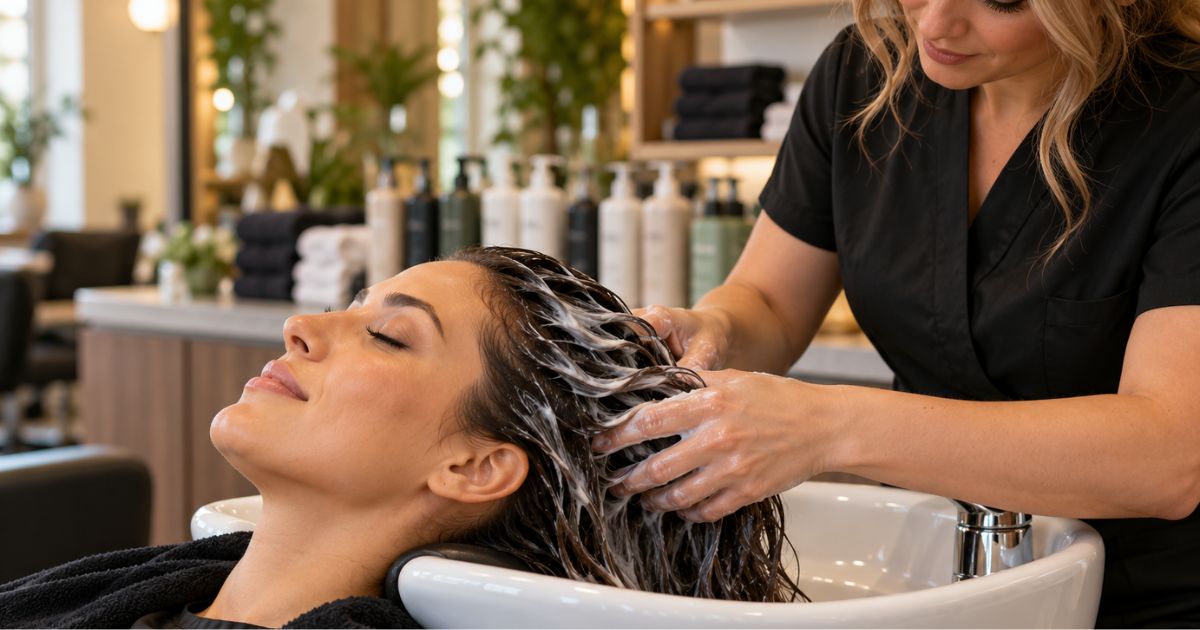
A modern salon and spa in Bel Air, MD can bring hair, skincare, nails, makeup, lashes, and brows together in one personalized beauty routine instead of treating every appointment as an isolated service.
This full-service approach is changing the way people plan beauty maintenance. Rather than rushing between unrelated appointments, guests can coordinate services around their schedules, personal style, and upcoming events.
The real innovation is not simply offering more options. It is using consultations, stylist matching, online booking, and specialized professionals to help each guest choose services that make sense for their needs.
Modern beauty services are moving away from rigid formulas. Hair texture, skin sensitivity, lifestyle, maintenance preferences, and personal expression all influence which services and techniques are appropriate.
A useful consultation may explore:
This information allows the professional to adapt the appointment instead of performing the same service for everyone. It can also help prevent scheduling conflicts between treatments that should not be completed too close together.
A full-service menu can feel overwhelming when everything sounds appealing. The easiest way to begin is to decide which appointment would make the biggest difference in your daily routine.
That may be a haircut that is easier to style, a color refresh, a facial focused on hydration, a manicure that fits a professional setting, or brow shaping that creates a more polished appearance.
Once the main priority is clear, other services can be added only when they provide a useful benefit. This keeps a self-care day enjoyable instead of turning it into a packed schedule.
A beautiful haircut should work outside the salon. That means considering how the hair behaves naturally, how often it is styled with heat, and how much maintenance the guest is comfortable completing at home.
Color requires the same practical thinking. Dimensional blonding, vivid shades, root coverage, and all-over color have different maintenance needs. A consultation should include how the color will grow out and when a refresh may be needed.
The American Academy of Dermatology recommends gentle hair handling and limiting excessive heat to reduce avoidable damage. A stylist can translate those general principles into a home routine suited to the guest’s haircut, texture, and color.
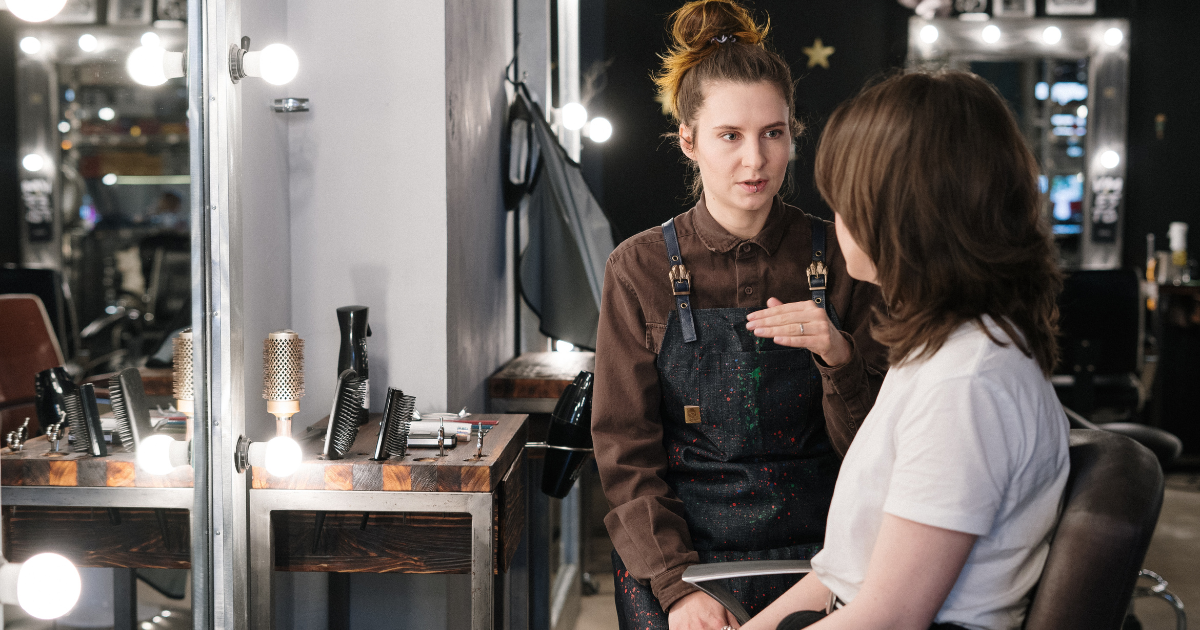
Virtual consultations are one of the simplest ways salons are making appointments more efficient. A guest can share photographs, explain current concerns, and describe the desired result before arriving.
The stylist can then determine whether the requested service is appropriate, how much time may be needed, and whether an in-person assessment is required before finalizing the plan.
Virtual consultations are especially helpful for major color changes, corrective work, dramatic haircuts, and first-time guests. They do not guarantee a specific result, but they can begin the conversation and reduce confusion on appointment day.
Not every beauty professional specializes in the same work. One stylist may focus on lived-in blonding, another on vivid color, and another on short or highly textured cuts. Estheticians, nail technicians, makeup artists, and lash professionals also develop different areas of expertise.
A matching quiz or guided booking process can help connect a guest with a team member whose skills align with the requested service. This is more useful than choosing solely according to the first available appointment.
When reviewing professionals, guests should consider:
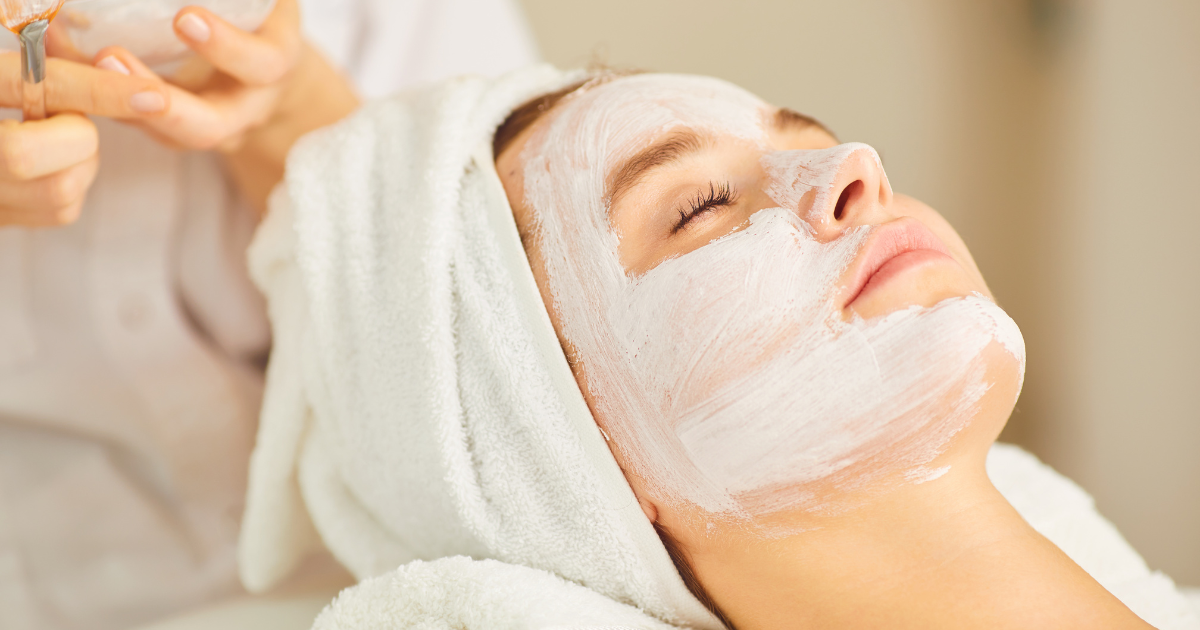
Skin can change with the seasons, stress, travel, product use, and environmental exposure. A facial that felt appropriate several months ago may need to be adjusted during the next appointment.
Professional skincare may include cleansing, exfoliation, hydration, masking, or other techniques selected according to current cosmetic concerns. More intensive treatment is not automatically better, particularly when the skin feels irritated or sensitive.
Before an appointment, disclose allergies, prescription skincare products, recent procedures, and previous reactions. The American Academy of Dermatology also recommends testing new skincare products before adding them completely to a routine.
Dermaplaning, chemical exfoliation, waxing, and other skin services require thoughtful scheduling. Combining several unfamiliar treatments or booking them immediately before a major event may increase the possibility of temporary sensitivity.
If an event is approaching, schedule a consultation early. This creates time to choose an appropriate service and understand any recommended preparation or aftercare.
Manicures and pedicures are easy to coordinate with hair or skincare appointments, but nail health should still guide the service. A professional should evaluate the visible condition of the nails and avoid working over open wounds or signs of possible infection.
The Centers for Disease Control and Prevention explains that dirt and germs can collect beneath fingernails and recommends keeping nails clean and properly trimmed.
Guests who choose gel-style polish should arrange for proper removal rather than peeling it away. The American Academy of Dermatology offers guidance for protecting natural nails while receiving gel manicures.
Lash and brow services can frame the face and reduce the amount of daily makeup some guests prefer to wear. Options may range from subtle shaping and tinting to more dramatic enhancement.
These services should still begin with a conversation about the desired result. A bold brow or full lash look may suit one guest, while another may prefer an understated finish.
Because products are applied close to the eyes, hygiene and ingredient awareness are important. The U.S. Food and Drug Administration provides eye cosmetic safety guidance, including advice about clean applicators, avoiding product sharing, and stopping use when irritation occurs.
Weddings, proms, portraits, and other celebrations often involve several appointments. Leaving everything until the final week can create scheduling pressure and unnecessary experimentation.
A practical timeline may include:
Share the full schedule with each provider. This helps professionals identify whether a service should be moved earlier or separated from another treatment.
Beauty trends spread quickly online, but popularity does not guarantee that a product is appropriate for everyone. Hair dyes, skincare products, nail materials, adhesives, and cosmetics can all cause reactions in sensitive users.
The U.S. Food and Drug Administration’s cosmetics safety guidance encourages consumers to follow product directions and discontinue use when a reaction occurs.
For hair-color services, the FDA provides additional information about hair dyes and recommended precautions. Guests should disclose previous reactions and complete any testing recommended by the product manufacturer or salon professional.
Burning, significant swelling, or intense discomfort should never be ignored during a beauty service. Communicate immediately so the professional can respond appropriately.
One advantage of a full-service salon and spa is flexibility. It allows guests to coordinate several needs in one place, but it does not mean every appointment should become an all-day beauty marathon.
A sustainable routine might include:
The best schedule is the one a guest can maintain comfortably. Professionals can help prioritize services and create a reasonable timeline.
Paradigm Salon & Company operates two locations in Bel Air, Maryland. Paradigm South, located on Old Emmorton Road, is the company’s original location and has served the community since 2016.
Unlike the hair-focused Paradigm North location, Paradigm South brings salon and spa services together. Its professional team includes hairstylists, estheticians, lash artists, and nail technicians, allowing guests to coordinate hair care, skincare, nails, makeup, lashes, and brows.
The location also offers online booking, virtual consultation, and stylist matching to help guests select services and professionals more confidently.
The most useful beauty innovations are not always the flashiest. Better consultations, easier booking, thoughtful professional matching, and coordinated service planning can have a greater effect on the guest experience than a trend that disappears after one season.
Start with the services that matter most, share accurate information about previous treatments, and ask how each appointment fits into the larger plan. That approach helps beauty care feel personal, organized, and realistic.
A modern salon and spa should provide more than a long menu. It should offer the expertise and communication needed to turn those options into a routine that reflects the individual guest.