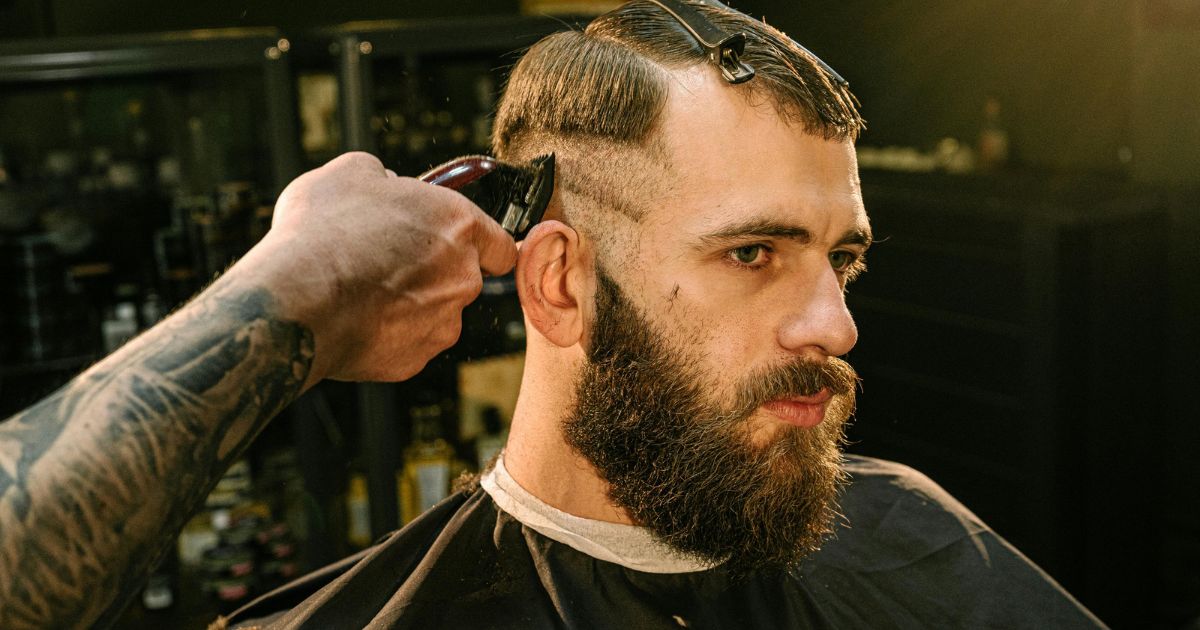
A Smarter Way to Use Pensacola Barber Shop Services
Pensacola barber shop services can do more than make your hair shorter. The right combination of a cut, beard work, and simple maintenance can make…

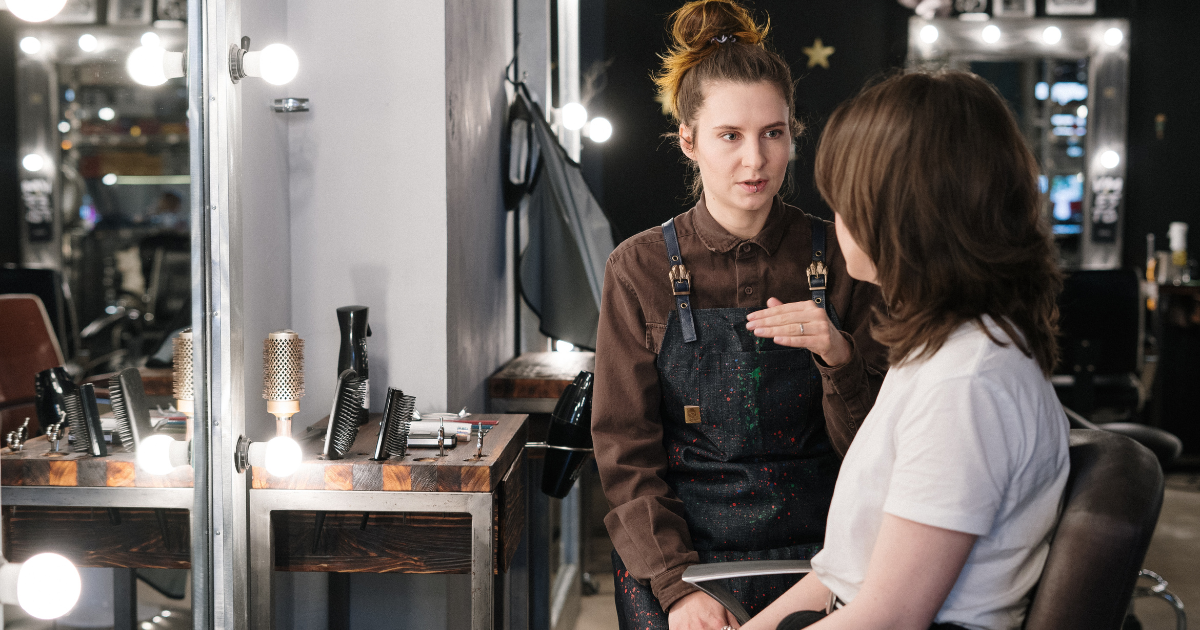
Haircuts and color in Charleston, SC are becoming more personalized as modern salons move away from one-size-fits-all services and focus on hair texture, lifestyle, maintenance preferences, and individual style.
The biggest beauty innovation is not always a new product or complicated coloring technique. Sometimes it is a better consultation. When stylists take time to understand how a guest wears and cares for their hair, they can create results that look polished in the salon and remain manageable at home.
Whether you are maintaining your current look or planning a complete transformation, understanding this more customized approach can help you arrive prepared and leave with a style that genuinely suits you.
A modern consultation is more than showing a stylist one inspiration photo. It is a conversation about your hair’s current condition, previous services, natural texture, daily routine, and long-term goals.
A stylist may ask:
Honest answers make the recommendations more useful. If you want a low-maintenance style, say so. If you enjoy frequent appointments and dramatic changes, that information is equally valuable.
Some salons now offer virtual consultations before the appointment. These can help the stylist review the current hair, discuss goals, and reserve enough time for a major cut or color service. They do not replace the in-person assessment, but they can make scheduling and preparation more efficient.
Haircut trends still influence what people request, but customization determines whether a trend works in real life. A shag, pixie, mullet, long layered cut, or textured crop can look completely different depending on density, curl pattern, growth direction, and facial proportions.
The best haircut is not simply the one receiving the most attention online. It is the one that works with your natural hair and supports the way you want to present yourself.
A maintenance haircut generally preserves an existing shape. A transformation haircut may involve removing substantial length, changing the silhouette, adding bangs, embracing natural texture, or moving from a familiar style to something entirely new.
Transformations require more consultation and refinement because the stylist is building a new shape rather than restoring an established one. You may also need guidance on styling techniques, drying methods, and products.
The American Academy of Dermatology recommends gentle handling and limited heat exposure to reduce avoidable hair damage. These habits are helpful regardless of whether the haircut is classic or experimental.
Short haircuts often depend on small details. The way the neckline is shaped, the weight is distributed, and the hair blends around the sides can noticeably affect the final result.
Be specific about how you normally style your hair and how often you expect to schedule maintenance. A highly structured cut may need more frequent reshaping, while a softer design may grow out more gradually.
Hair color has become increasingly strategic. Stylists can use highlights, babylights, balayage, teasy lights, glosses, root color, and other methods to control brightness, depth, contrast, and movement.
The technique should be selected after the desired result is understood. Two guests asking for blonde hair may need completely different plans. One may want subtle brightness around the face, while the other wants an all-over transformation.
Partial blonding generally concentrates brightness in visible areas such as the hairline and parting. It can be useful for maintaining an existing dimensional look or creating a lighter impression without addressing every section.
Full blonding involves a broader placement pattern and is often chosen when the goal requires brightness throughout the hair. The stylist may combine techniques rather than using only one method.
Placement matters because it influences how the color grows out. A softer transition at the root may create a lived-in effect, while a brighter result closer to the scalp can require more frequent maintenance.
A color gloss can adjust or refresh tone, add shine, and help revive hair color between larger appointments. It does not replace every color service, but it can be a practical option when the overall placement remains suitable and the tone needs attention.
The science behind coloring is complex because formulas interact with natural pigment, previous artificial color, hair porosity, and the condition of the hair fiber. A review available through the National Library of Medicine explains how cosmetic treatments can affect the structure and appearance of hair.
Color correction is one of the clearest examples of why consultation matters. Corrective work may involve uneven pigment, unwanted tones, bands from previous applications, excessive darkness, or an attempted at-home transformation.
Some corrections can be completed in one appointment. Others require several carefully planned sessions. Promising an immediate result without evaluating the starting condition can create unrealistic expectations.
During the consultation, disclose all recent color services, including box dye, lightener, temporary color, henna, toning products, and root-covering sprays. Even when a product appears to have faded, it may still influence the next chemical process.
Hair dyes are regulated as cosmetics in the United States, and the U.S. Food and Drug Administration provides safety information for consumers, including instructions about following product directions and performing recommended skin tests.
A dramatic inspiration image can be useful, but it does not show the complete process behind the result. The model’s starting color, lighting, extensions, filters, texture, and editing may all influence what you see.
Your stylist should explain what is achievable while respecting the current condition of your hair. Reaching the lightest possible result in one session is not always the best strategy when preserving strength and appearance is a priority.
Consider discussing:
The National Cancer Institute maintains a research-based overview of hair dyes and human health for consumers interested in understanding how the evidence has developed over time.
Modern hair design is moving beyond rigid assumptions about who should receive a particular cut or service. The technical requirements of the hair—its length, density, texture, condition, and desired result—are more useful than gender-based labels.
This approach creates more room for personal expression. Guests can request classic barbering, longer layered cuts, bold transformations, gray blending, or customized color based on the result they want.
It also makes consultations more direct. Instead of fitting the guest into a narrow category, the stylist can focus on the time, technique, and expertise required to complete the service.
A salon can create an excellent cut or color, but daily habits determine how the result looks between appointments. Repeated high heat, aggressive brushing, tight hairstyles, and unsuitable products can work against professional care.
The American Academy of Dermatology warns that continuously wearing tightly pulled hairstyles can contribute to a form of hair loss called traction alopecia. Its guidance on hairstyles and hair loss explains why changing tension-producing habits early is important.
Ask your stylist to recommend a manageable routine rather than a shelf full of products. Depending on the service, that routine may include:
Hair-care products should be used according to their instructions. The FDA’s general guidance on cosmetic safety also advises consumers to stop using a cosmetic product if it causes a reaction and to contact a healthcare professional when necessary.
Arrive with photos that show both what you like and what you want to avoid. Images should be treated as visual references rather than guarantees of an identical outcome.
Wear your hair in a way that helps the stylist see its usual texture and movement when possible. Bring details about previous color services, and mention allergies, scalp sensitivity, or reactions experienced during earlier appointments.
If you are planning a major transformation, avoid booking immediately before an important event. Leaving extra time allows you to become comfortable with the new shape, learn how to style it, and make adjustments if needed.
Olliver Lux Hair Society provides customized haircuts and color services in downtown Charleston. Its menu includes maintenance and transformation haircuts, barbering services, color glosses, gray blending, root color, all-over color, blonding, and corrective color.
The salon uses consultations to determine the appropriate service and technique for each guest. That personalized approach reflects where the beauty industry is heading: away from standardized appointments and toward services designed around the individual.
Hair trends will continue to change, and new techniques will keep appearing across social media. The most useful innovation, however, is the ability to translate inspiration into a result that fits a real person’s hair and everyday life.
A successful haircut should grow out in a way you understand. A successful color plan should include realistic expectations about maintenance. Both should begin with a consultation that considers your starting point rather than focusing only on the final photo.
When technique, communication, and home care work together, a salon visit becomes more than a temporary makeover. It becomes part of a personalized style strategy that can evolve along with you.