A Smarter Way to Use Pensacola Barber Shop Services
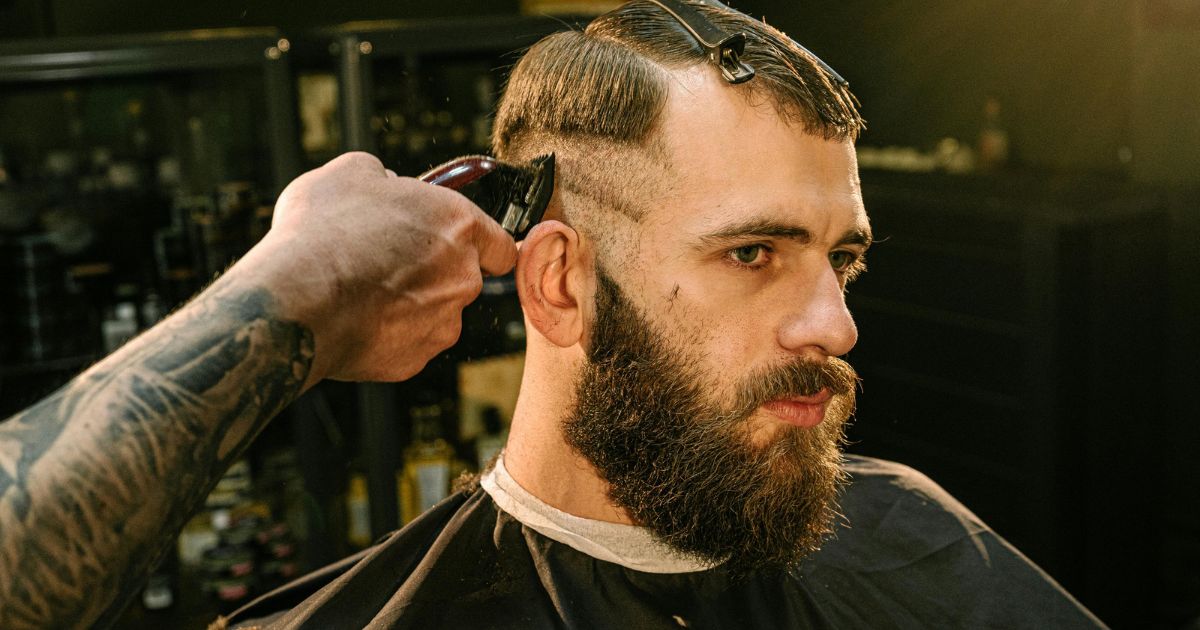
Pensacola barber shop services can do more than make your hair shorter. The right combination of a cut, beard work, and simple maintenance can make…

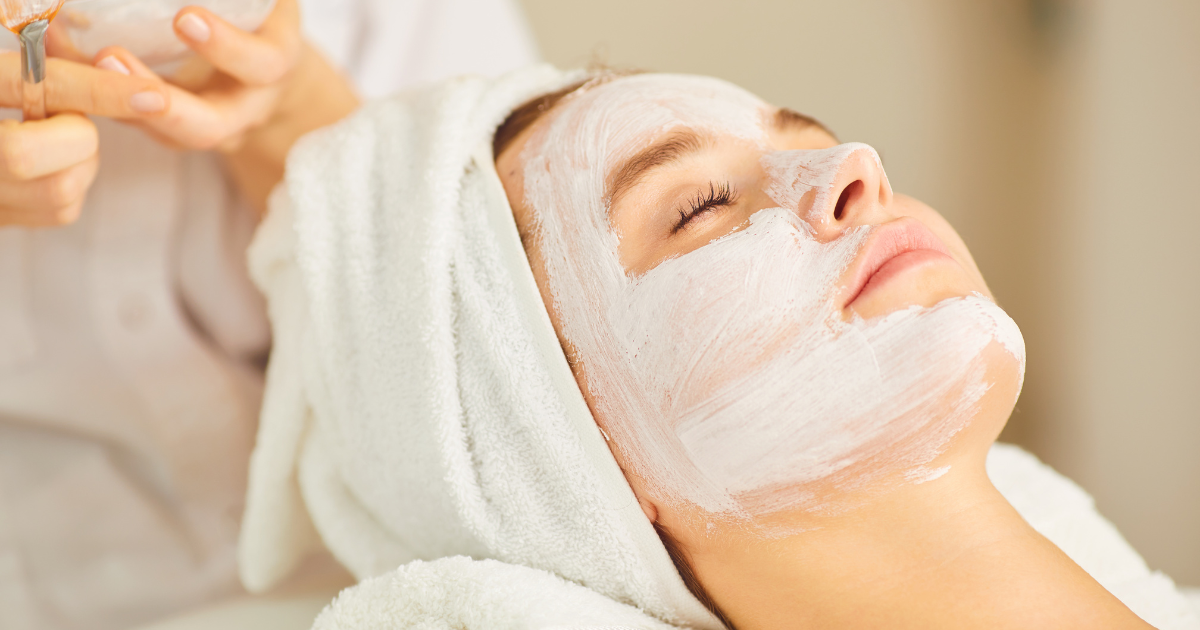
The modern spa visit is becoming more personalized, immersive, and flexible. Instead of booking one isolated service and immediately returning to a busy schedule, guests can now build an experience around skincare, massage, relaxation technology, and quiet time. A thoughtfully designed day spa in Yuba City, CA can provide space to slow down while offering services selected for individual beauty and wellness goals.
This evolution does not mean every spa visit needs to involve a complicated package or the latest device. The real innovation is choice: guests can decide whether they want focused skincare, hands-on massage, technology-supported relaxation, a shared experience, or simply an hour away from everyday distractions.
Traditional spa appointments often began when the treatment started and ended when the service was complete. Newer spa environments are paying closer attention to everything surrounding the appointment, including the arrival process, lighting, sound, comfort, privacy, and opportunities to unwind before or after a service.
A relaxation room, warm neck wrap, herbal tea, or optional foot soak may appear simple, but these details help create a clear transition away from daily responsibilities. They give guests time to settle before moving into massage, facial care, or another treatment.
The National Center for Complementary and Integrative Health explains that relaxation techniques often combine focused attention and breathing to encourage a feeling of calm. A spa should not be presented as a replacement for medical or mental healthcare, but it can offer an environment that supports intentional rest.
Not everyone wants the same kind of spa experience. Some guests enjoy hands-on services, while others prefer to rest quietly without conversation. A wellness lounge makes it possible to include restorative downtime without automatically adding another full treatment.
Modern lounges may use reclining or zero-gravity seating, sound, vibration, adjustable positioning, and subdued lighting to create a multisensory experience. These features can be scheduled independently or combined with another spa appointment.
The Spa at Hillcrest features Mind-Sync Harmonic Wellness Loungers that combine zero-gravity positioning with vibroacoustic sound. The experience is designed for relaxation and can be scheduled on its own or added before or after another service.
Guests should approach wellness technology with realistic expectations. A lounger may create a comfortable setting for rest, but it should not be treated as a cure for a medical condition. The value may simply be having protected time to be still, unplug, and reset.
Technology may be changing the spa environment, but skilled hands-on care remains central to the experience. Massage can be adapted according to the guest’s comfort, pressure preference, and reason for booking.
A useful consultation should address areas the guest wants included or avoided, recent injuries, pregnancy, medication use, previous surgeries, and any health concerns that could affect the service. Guests should feel comfortable asking for a pressure adjustment at any point.
The NCCIH overview of massage therapy notes that massage appears to have a low risk of harmful effects when performed appropriately by a trained practitioner, but vigorous techniques may not be suitable for everyone. Sharing accurate health information helps the massage therapist plan responsibly.
The most innovative massage is not necessarily the one with the most add-ons. It is the one that responds to the person receiving it.
Facial services have also shifted away from rigid routines. An esthetician can consider current dryness, oiliness, visible sensitivity, texture, product use, and the guest’s primary cosmetic concerns before selecting products and techniques.
A person preparing for an event may have different priorities from someone developing a sustainable skincare routine. Likewise, skin that is easily irritated may not respond well to the same exfoliation used for a guest with more resilient skin.
The American Academy of Dermatology offers a broad collection of dermatologist-reviewed facial skincare guidance. One consistent principle is that skincare should be selected according to the individual rather than copied directly from another person’s routine.
Guests should tell their esthetician about prescription products, recent procedures, allergies, and past reactions. They should also distinguish cosmetic goals from medical concerns. Persistent rashes, painful acne, changing moles, or unexplained skin symptoms belong with a qualified medical professional.
Services such as HydraFacial and Glo2Facial demonstrate how equipment is becoming part of the day-spa experience. Device-assisted treatments may organize cleansing, exfoliation, extraction, hydration, or product application into a defined sequence.
The presence of a device does not automatically make a service suitable for everyone. Results can vary according to skin type, sensitivity, the specific system, and the person performing the treatment. Consultation remains more important than the name of the machine.
Before booking a device-assisted facial, ask:
This turns the appointment into an informed decision instead of a trend-driven experiment.
Red light has become a familiar feature in beauty and wellness spaces. Different devices may use different wavelengths, power levels, treatment times, and intended purposes, so “red light therapy” should not be treated as one standardized service.
The U.S. Food and Drug Administration categorizes certain photobiomodulation devices as regulated medical devices and has published guidance addressing their testing and labeling. Some lower-risk products intended only for general wellness may fall into a different category.
Guests should ask what device is being used, what the spa says it is intended to do, how long the session lasts, and whether eye protection or other precautions are necessary. Anyone hoping to address a diagnosed health condition should consult an appropriate healthcare professional.
Self-care does not always need to be solitary. Couples suites and party spaces allow guests to share the experience while maintaining more privacy than a standard waiting area.
A private suite can work for partners, close friends, birthdays, bridal gatherings, or other occasions. It also reflects a broader beauty-industry trend: people increasingly want experiences they can enjoy together rather than simply purchasing another physical item.
Good planning helps group spa visits run smoothly. Guests should confirm the available services, maximum group size, arrival time, food and beverage policies, accessibility needs, cancellation terms, and whether treatments occur together or on a rotating schedule.
A lower-leg massage, paraffin hand treatment, targeted LED session, or warm foot soak can change the pace of an appointment without turning it into an all-day commitment.
The best add-on is one that complements the primary service and fits the guest’s comfort. It should not be selected simply because it appears on a long menu. A massage add-on may suit someone who wants additional hands-on relaxation, while a guest who prefers quiet time may value an extended lounge session.
This modular approach is one of the smartest developments in spa design. It allows each person to create a visit around the amount of time, interaction, and activity they actually want.
A facial can leave skin feeling refreshed, but daily habits determine what happens afterward. Guests should follow the esthetician’s instructions, avoid immediately introducing several unfamiliar products, and use sun protection when appropriate.
The American Academy of Dermatology recommends choosing a broad-spectrum, water-resistant sunscreen with SPF 30 or higher. Product selection may need to be adjusted for sensitive, oily, dry, or acne-prone skin.
More is not always better. Aggressive exfoliation or stacking multiple active ingredients after a facial may cause irritation. A simple routine followed consistently is often more practical than chasing every new product trend.
A well-planned visit begins with the desired feeling rather than the longest service list. Ask yourself whether you want deep relaxation, focused skincare, time with another person, or a quiet break between demanding weeks.
A balanced visit might include:
Sparkd has explored this broader connection between wellness and beauty innovation, where personalization and the overall experience matter as much as any individual piece of equipment.
The Spa at Hillcrest is located at 868 Richland Road in Yuba City. Its services and amenities include facials, HydraFacials, Glo2Facials, massage, waxing, a relaxation room, wellness loungers, a couples suite, and a private spa party suite.
The space reflects where the modern spa industry is heading: toward a blend of personal service, thoughtful surroundings, flexible technology, and experiences that can be enjoyed alone or shared.
Innovation does not need to make relaxation feel complicated. When guests understand their options and choose services that match their goals, the modern spa becomes something more useful than an occasional luxury. It becomes a deliberate pause designed around the way each person prefers to recharge.