A Smarter Way to Use Pensacola Barber Shop Services
Pensacola barber shop services can do more than make your hair shorter. The right combination of a cut, beard work, and simple maintenance can make…

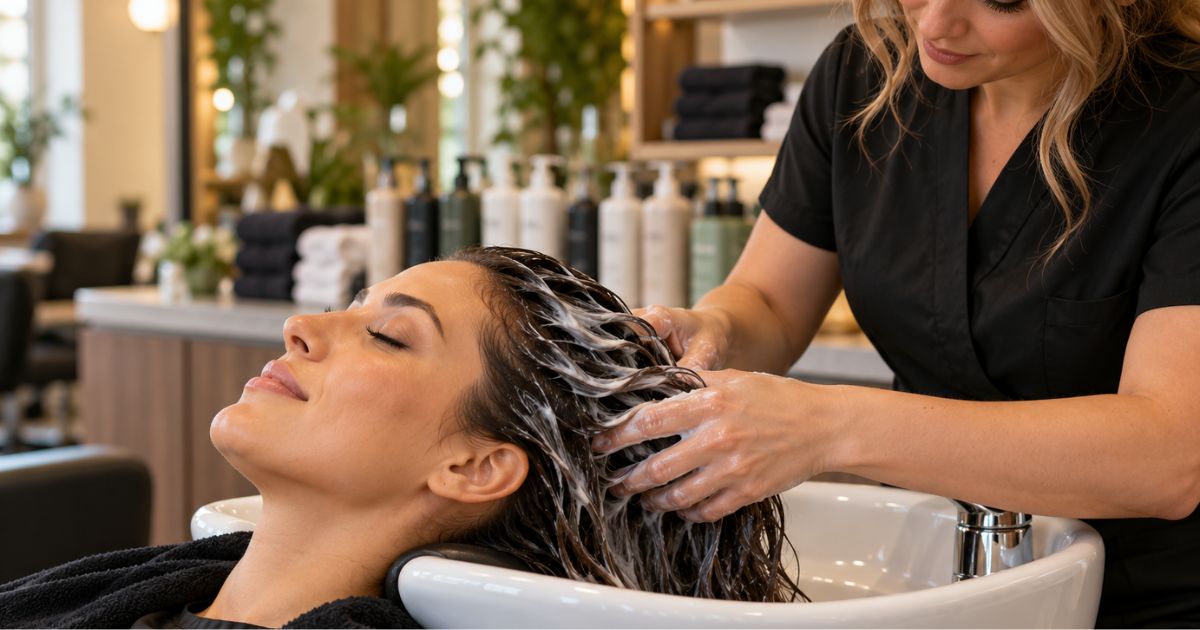
Hair treatments in Leonardtown, MD can help with concerns such as rough ends, dull color, and hair that needs preparation before another salon service. Choosing one starts with a simple question: what do you want your hair to do differently after the appointment?
Treatment menus can be confusing. A conditioning service, a pre-color treatment, and a color remover may appear in the same section even though they do different jobs. Understanding the difference makes it easier to explain your goals and choose a service with your stylist.
Think about how your hair behaves between salon visits. Does it tangle after washing? Feel rough near the ends? Look dull despite regular conditioning? Take longer to style than it used to? Those details are more useful than simply saying your hair feels damaged.
Tell your stylist what your hair has been through, too. Recent lightening, permanent color, frequent hot-tool use, swimming, and changes to your washing routine may all affect the recommendation. Two people can have similar-looking hair and need different approaches.
The American Academy of Dermatology’s healthy hair tips are a useful starting point for daily care. They cover washing the scalp, conditioning, gentle detangling, and limiting excessive heat. An in-salon treatment has a better chance of meeting your expectations when your routine supports it.
Some treatments aim to make hair feel smoother and easier to manage. Others prepare it for color or address unwanted pigment. These are cosmetic services for the hair shaft, not medical treatments for the scalp or hair follicles.
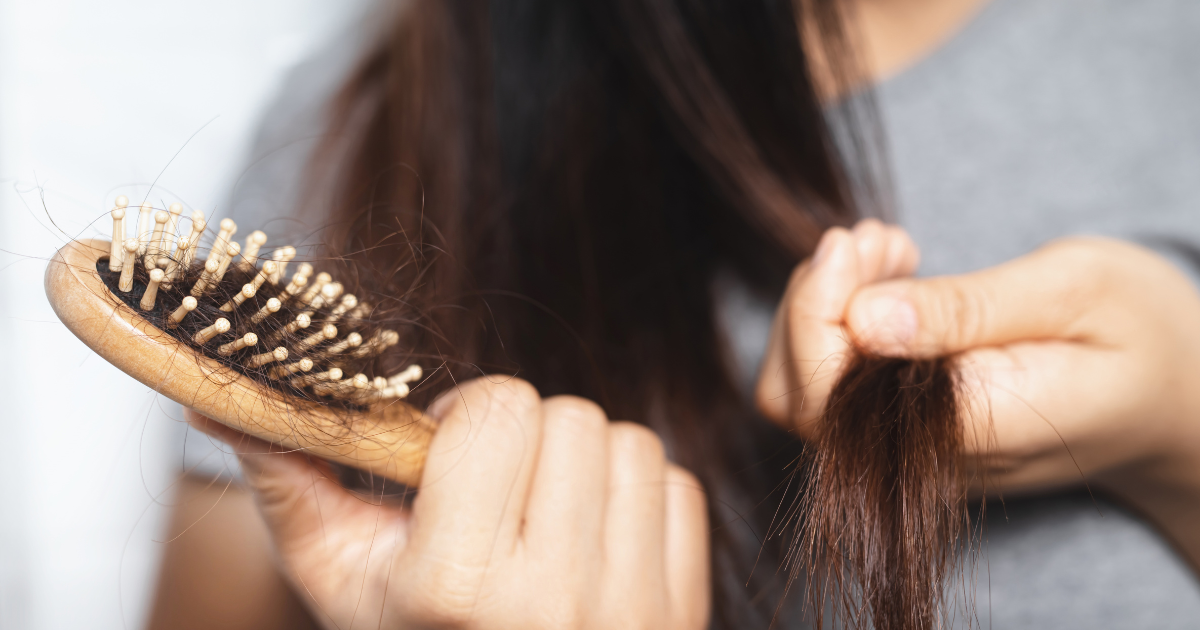
It helps to be realistic about the word “repair.” Hair does not heal like skin. Conditioning products can improve how a strand feels and handles, but they cannot erase every form of damage. A research review on hair friction and conditioning describes how conditioners can temporarily improve the hair’s surface. Less friction can make a noticeable difference when you brush, style, or work through tangles.
If your main concern is tangling or a dry feel, ask what a proposed treatment is intended to change. Will it make detangling easier? Is it suited to your hair’s texture and condition? What should you do at home to maintain the result?
Your styling habits matter here. Someone who rarely uses heat may need different guidance from someone who blow-dries and straightens several times a week. The AAD’s advice on leave-in conditioner explains why an additional conditioning product can be useful for long, color-treated, curly, dry, or heat-styled hair.
Hair that carries buildup or absorbs color unevenly may need attention before a color appointment. A preparatory treatment has a different purpose from a general conditioning service: it gives the stylist a better starting point for the work that follows.
Share your color history, especially if you have used vivid shades or colored your hair at home. A photo of your current hair in natural light may help, but your previous services matter just as much as the look you want next. The AAD notes that coloring and perming can leave hair dry and brittle, making an honest conversation about its condition especially useful before another change.
Removing old color is a different task from adding moisture. The approach depends on the type of dye in your hair, your desired result, and what your strands can reasonably handle. Color correction may require several decisions rather than one product and one appointment.
Instead of asking only, “Can you take this color out?” ask what your hair might look and feel like afterward. Find out what result is realistic now, whether the change should happen in stages, and how to care for your hair between visits.
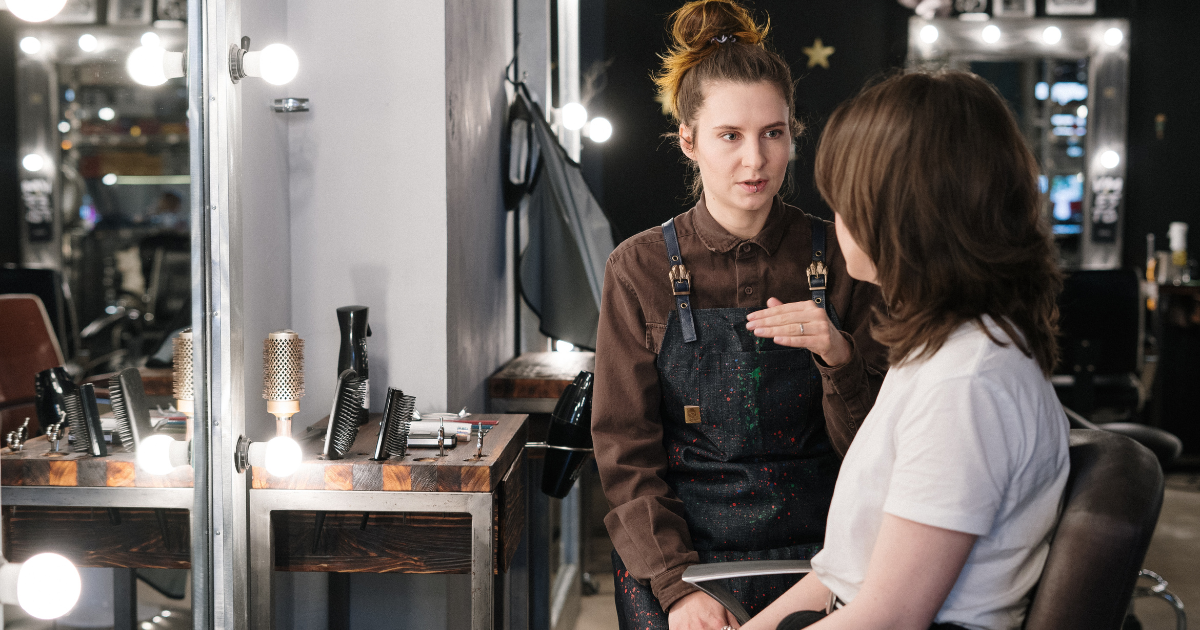
A useful consultation is a short investigation. A stylist may examine your ends, ask about your routine, and discuss previous services before suggesting a treatment. You can help by explaining when the concern started and which parts of your hair are affected. Hair that feels rough only at the ends tells a different story from hair that feels coated from roots to tips.
At The Hair Company (HC Salon & Boutique) in Leonardtown, the treatment menu includes L’ANZA Ultimate and Emergency treatments, Crystal Gel Treatment, Color Pigment Remover, and Direct Dye Lifter. That range shows why “treatment” is such a broad term. One guest may be preparing for color, while another wants help managing hair that feels compromised. The menu lists a scalp therapy treatment as coming soon, so check its availability before planning around it.
If you are considering a smoothing service, discuss its specific product and process separately from a conditioning treatment. Ingredients and procedures vary. The U.S. Food and Drug Administration’s guidance on hair-smoothing products provides questions consumers can ask about ingredients and ventilation.
Before leaving the salon, ask for a routine you can follow. You do not need a shelf full of products if a few consistent habits address your main concerns.
The AAD’s guide to styling without damage explains why repeated heat and rough handling can work against the results you liked at the salon. Think of an appointment as one part of your care routine; what you do between visits matters as well.
A salon treatment may make hair easier to handle, but it cannot diagnose persistent scalp irritation, sudden shedding, or patches of hair loss. Bring those concerns to a healthcare professional. The AAD explains the difference between excessive shedding and hair loss and why a dermatologist can help identify the cause.
For everyday dryness, tangles, color preparation, or a change in how your hair feels, begin with a clear description of the problem. Ask what the recommended service is designed to do, what result to expect, and how to care for your hair afterward. The most useful treatment is the one that fits your hair’s condition and your next step.