A Smarter Way to Use Pensacola Barber Shop Services
Pensacola barber shop services can do more than make your hair shorter. The right combination of a cut, beard work, and simple maintenance can make…

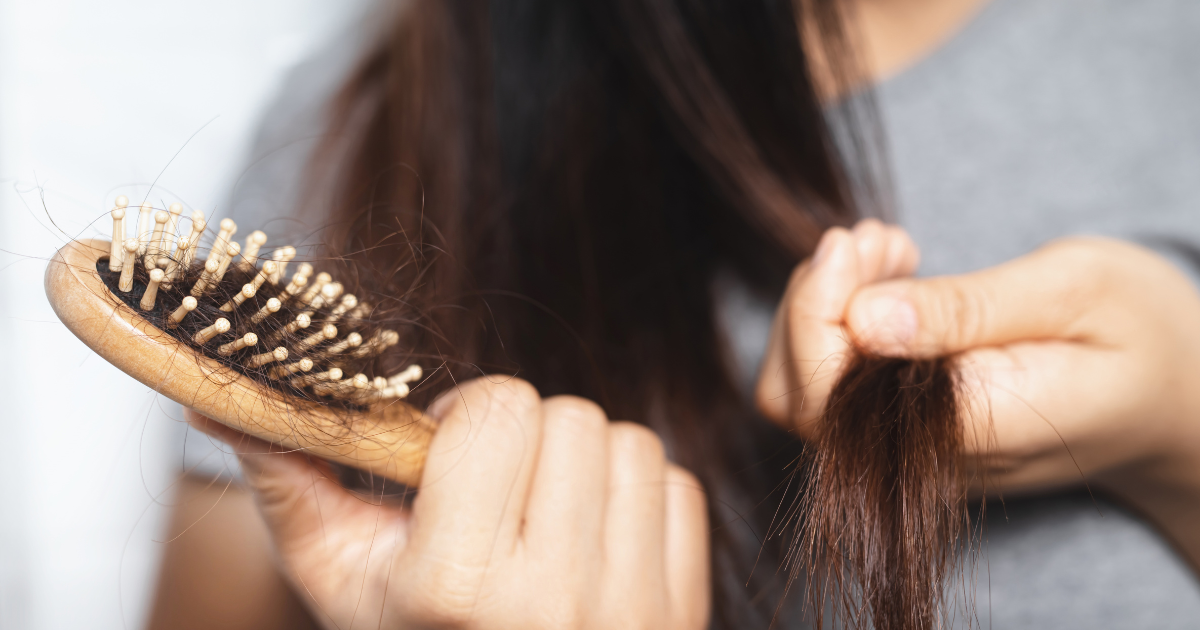
Hair thinning can change how someone styles their hair, feels in photos, or approaches an ordinary morning. Fortunately, modern coverage options are becoming lighter, more natural-looking, and more personalized than many people expect. Professional hair loss solutions in Boise, ID can include customized toppers, lace enclosures, and mesh integration systems designed around the wearer’s existing hair and lifestyle.
These services do not medically treat the cause of hair loss. Instead, they provide cosmetic coverage, fullness, and styling flexibility. That distinction matters because the best experience combines appropriate medical evaluation when necessary with a carefully selected hair system that helps the wearer feel comfortable and confident.
Hair loss can appear in many ways. Some people notice a widening part or reduced density around the crown. Others experience diffuse shedding, isolated areas of loss, or changes after pregnancy, illness, medication, or significant stress.
The National Library of Medicine’s hair loss resource explains that alopecia can have numerous causes, including genetics, hormonal changes, autoimmune conditions, illness, medications, and hairstyles that create excessive tension.
A salon professional can evaluate coverage and blending options but cannot diagnose why hair is falling out. Sudden shedding, pain, itching, redness, scaling, or an unusual pattern should be discussed with a qualified healthcare provider. The American Academy of Dermatology’s Hair Loss Resource Center provides information about different types of hair loss and when professional medical care may be appropriate.
The most convincing hair systems are not selected from a single standard template. They are customized across several details that influence how the finished hair looks, moves, and feels.
A stylist may consider:
Good customization should create harmony between the hairpiece and the natural hair. The goal is not simply to add the greatest possible amount of hair. It is to select enough coverage and density to create a balanced, believable result.
A hair topper is a lightweight hairpiece intended to cover areas of thinning, commonly around the part line or crown. Unlike a full wig, it works with the wearer’s existing hair rather than covering the entire scalp.
Toppers are available in different base sizes, densities, lengths, colors, and attachment styles. A smaller piece may provide focused coverage around a widening part, while a larger base can address a broader area of visible scalp.
Some toppers are removable and secured with clips. Other options are professionally integrated for longer wear. Neither approach is automatically better. A removable topper may appeal to someone who wants flexibility, while a professionally installed system may fit a person who prefers consistent daily coverage.
A lace enclosure uses a fine base with individually attached hairs to create the appearance of hair emerging from the scalp. The design can support a natural-looking part and broader coverage across the top of the head.
The final result depends on more than the lace itself. Base placement, density, color matching, cutting, and blending must all work together. If the added hair is much denser than the natural hair around it, the transition may appear abrupt. Thoughtful customization helps the enclosure look balanced from multiple angles.
Lace enclosures may be considered by people who need more coverage than a small topper provides. A consultation can determine whether the system offers the right combination of coverage, comfort, and styling versatility.
Mesh integration is another option for people experiencing more extensive thinning across the top of the scalp. A lightweight mesh foundation is incorporated with the existing hair, creating a base to which additional hair can be attached.
This approach requires careful planning because the stylist must work around the natural hair while managing attachment points, weight, and coverage. The system also requires scheduled professional maintenance as the natural hair grows.
Mesh integration should feel secure without creating unnecessary pulling or discomfort. Any persistent tenderness, headache, or feeling of excessive tightness deserves immediate attention.
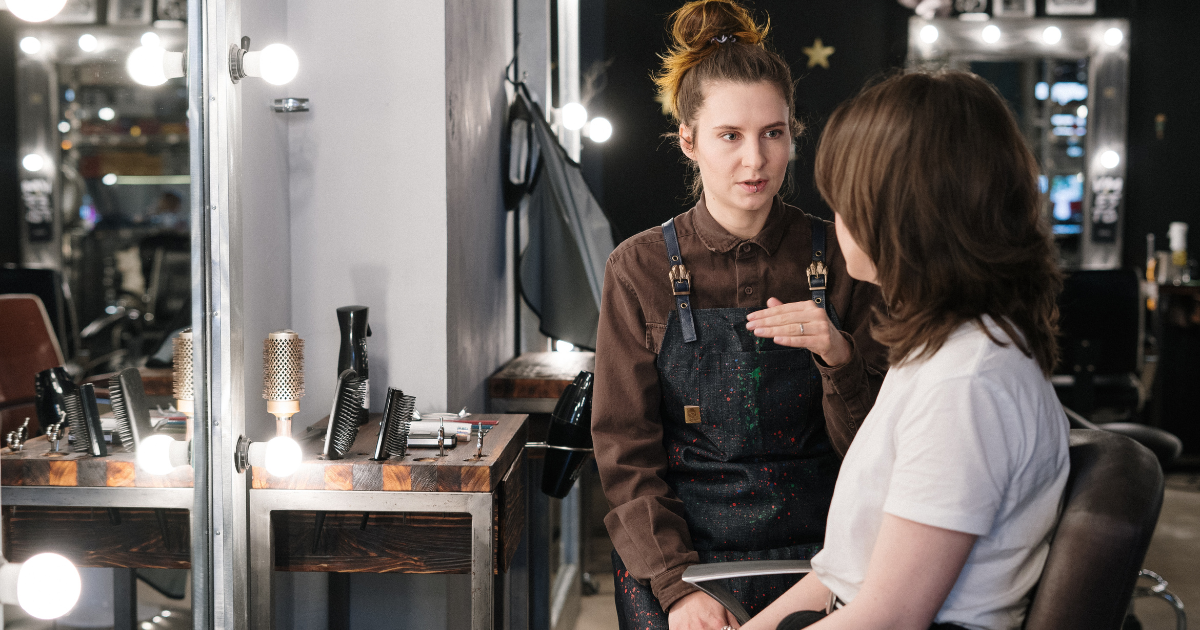
Hair loss can be deeply personal, so privacy and clear communication are important. A consultation gives the client space to discuss concerns, priorities, and expectations without rushing directly into an installation.
The stylist can evaluate scalp visibility, natural density, color, and potential attachment areas. The client can compare toppers, lace enclosures, and mesh systems while learning what each option requires at home.
Useful consultation questions include:
A professional should also be willing to explain limitations. Inspiration photos are useful, but the achievable result depends on the client’s natural hair, selected system, and willingness to follow the maintenance routine.
Natural hair rarely consists of one flat color. It may contain highlights, lowlights, warmer ends, cooler roots, or subtle variations created by previous services. Matching only the dominant shade can make a topper or enclosure look separate from the surrounding hair.
A customized system may need dimensional color, strategic toning, cutting, and styling before it blends successfully. The stylist also needs to consider how the color appears in natural daylight, indoor lighting, and photographs.
Placement matters just as much as color. Sparkd’s look at the engineering behind natural-looking added hair explores how details such as distribution, attachment, and movement influence the finished result.
A hair system should feel secure, but secure does not mean painfully tight. Excessive pulling can place stress on already fragile hair and may worsen breakage around attachment points.
The American Academy of Dermatology recommends professional installation and warns that pain or headaches can indicate that a weave or extension system is too tight. Its guidance on preventing hair damage from extensions and weaves also emphasizes scalp cleanliness, conditioning, edge protection, and breaks from high-tension styles.
Clients should communicate immediately if they feel pinching, burning, or persistent pulling. Waiting until the next maintenance appointment can allow a small comfort problem to become more serious.
Every system requires care. The exact routine depends on whether the piece is removable or professionally integrated, the hair type, and the chosen attachment method.
Home-care education may cover:
Boise-area hard water may contribute to mineral buildup, dryness, or shifts in the appearance of customized hair. A stylist can recommend a routine appropriate for the specific hairpiece rather than relying on generic extension advice.
People experiencing treatment-related hair loss may have additional scalp sensitivity or health considerations. The National Cancer Institute recommends discussing expected hair loss and scalp care with the medical team. It also notes that some people choose wigs, hats, scarves, or other coverings according to their comfort.
A cosmetic hair specialist should work within those medical recommendations. Installation should not proceed over irritated, injured, or medically vulnerable skin without appropriate clearance.
Emotional responses also deserve respect. Research indexed by the National Library of Medicine has documented the psychosocial burden experienced by people with alopecia areata. Offering privacy, clear choices, and control over the process can make the salon experience feel more supportive.
Hidden Beauty Color & Extension Bar offers customized hair toppers, lace enclosures, and mesh integration systems for clients experiencing thinning or visible scalp concerns. The process begins with a private consultation at its Boise salon, where the stylist evaluates coverage needs, discusses lifestyle preferences, and plans the color, density, base, and installation method.
Once the custom hair system is selected, the installation appointment can include fitting, blending, cutting, color customization, styling, and detailed home-care education. Ongoing maintenance is planned according to the chosen system and the client’s natural hair growth.
The biggest advance in cosmetic hair loss support is not a single attachment method. It is the ability to build a solution around the individual. When thoughtful design, gentle installation, realistic expectations, and continued maintenance come together, coverage can feel less like something being hidden and more like personal style being restored.