Why the Smartest Hair Color Looks Effortless
A Hair salon can use the latest formulas and techniques, but truly modern color is defined by how thoughtfully every shade is selected, placed, and maintained.
The most exciting color innovation is not always a dramatic new trend. Often, it is a quieter improvement: softer regrowth, better dimension, more strategic lightening, or a finish that still looks intentional weeks after the service.
That effortless appearance involves more planning than it seems. Here is what happens behind dimensional color and how to decide whether a particular technique fits your hair, routine, and long-term goals.
Dimensional Color Is a Design System
Dimensional color uses differences in depth, tone, and placement to create movement. Instead of making every strand one uniform shade, the stylist builds a visual pattern that can include lighter pieces, deeper areas, blended transitions, and carefully positioned brightness.
The plan may involve several elements:
- Base depth establishes the overall lightness or darkness.
- Highlights create brightness and contrast.
- Lowlights restore depth or prevent the result from looking flat.
- Face-framing pieces direct attention toward selected features.
- Root blending softens the transition between colored and natural hair.
- Toning refines warmth, coolness, or neutrality after lightening.
These components can be combined in different proportions. Two clients may both request “dimensional brunette,” yet one might want subtle caramel ribbons while the other prefers bold beige panels and a deeper root.
The Starting Point Changes Everything
Color is not applied to a blank canvas. Natural pigment, previous formulas, lightener, smoothing services, heat exposure, and everyday wear can all influence what is realistic.
A complete color history should include professional services and anything used at home. Box dye, henna, root sprays, color-depositing masks, and temporary fashion colors may affect the plan even when they appear to have faded.
Research on the physical and chemical behavior of hair fibers explains how environmental exposure, heat, grooming, and chemical treatments can alter the hair surface and contribute to damage. This is one reason the same formula may behave differently on untreated roots and previously lightened ends.
Why a strand test can be useful
For a major correction or dramatic lightening goal, a stylist may recommend testing a small section. This can provide practical information about how the existing color lifts and how the hair responds.
A test does not guarantee that every section will react identically, but it may reveal limitations before the full service begins. It can also help determine whether the transformation should happen in one session or through a gradual series of changes.
Balayage Is a Method, Not a Single Look
Balayage is often treated as if it describes one recognizable finish. In reality, it refers broadly to a hand-painted approach to lightening. The placement, saturation, section size, starting point, and toner determine whether the result appears soft, bold, warm, cool, beachy, polished, or high contrast.
Before requesting balayage, describe the outcome rather than relying only on the technique’s name. Consider questions such as:
- Do you want brightness near the root or mainly through the ends?
- Should the face frame be subtle or noticeably lighter?
- Do you prefer fine ribbons or broader pieces?
- How much of your natural color should remain visible?
- Would you like a blended grow-out or stronger contrast?
Inspiration photographs are helpful when they show several views. Point out exactly what you like in each image, since you may be reacting to the haircut, waves, lighting, or extensions as much as the color itself.
More Lightener Does Not Automatically Mean Better Color
Social media can make very pale blonde transformations look almost instant. The real process depends on the starting shade, previous color, condition, and desired tone.
The American Academy of Dermatology notes that lightening more than three shades generally requires stronger peroxide and may cause more damage. Preserving selected areas of depth can create visual brightness without attempting to lighten every strand to the same level.
This is where dimensional placement becomes especially useful. Contrast can make lighter pieces appear brighter. A stylist may achieve a more interesting result by deciding where not to lighten.
A gradual plan is not necessarily a compromise. It can provide time to reassess the condition, adjust the tone, and decide whether additional brightness is genuinely needed.
Modern Color Requires a Safety Conversation
Creative freedom still needs sensible boundaries. Tell your stylist about previous reactions to hair dye, unexplained scalp irritation, open skin, or recent chemical services before color is applied.
The FDA recommends following hair-dye warnings and performing the directed patch test before every application. Sensitivity can develop even when a person has used color previously without a problem.
Burning, significant swelling, blistering, breathing difficulty, or another serious reaction should never be dismissed as a normal part of beauty. Stop using the product and obtain appropriate medical help.
If color is being combined with a smoothing service, ask which products will be used and whether the services should be separated. The Occupational Safety and Health Administration provides information about formaldehyde exposure associated with certain hair-smoothing products, including the importance of ingredient awareness, ventilation, and safe professional handling.
The Cut and Finish Change How Color Reads
Color placement should work with the haircut. Highlights positioned on the surface of long layers may emphasize movement, while brightness around a fringe can draw attention toward the eyes. A strong interior layer can reveal color that remains hidden when the hair is still.
The finish matters too. Waves separate light and dark sections, making dimension more visible. Straight styling may blend those sections into a smoother gradient. Neither finish is more correct, but clients should see how the color behaves in the style they wear most often.
Ask to view the result from several angles and in more than one type of light when possible. Indoor lighting can make a neutral shade appear warmer or cooler than it looks near a window.
Toning Is Part of the Color, Not an Optional Extra
Lightener removes pigment, but it does not automatically create the finished tone shown in an inspiration image. Toners and glosses can refine unwanted warmth, add softness, deepen selected areas, or shift the overall mood of the color.
These finishes are not permanent. Hair washing, sun exposure, mineral buildup, hot tools, and product choices may gradually change how the tone appears.
Before leaving the salon, ask:
- How is this shade expected to fade?
- Which tones may become more visible over time?
- Would a gloss refresh be useful between larger services?
- Which products may alter or strip the tone?
- How often should clarifying products be used, if at all?
Maintenance Should Be Designed Before the Color
A color plan is most successful when it matches the client’s willingness to return. High-contrast roots, fashion shades, pale blondes, and precise face frames can require more frequent attention than softly blended dimension.
If you prefer wider spacing between visits, say so during the consultation. The stylist may recommend keeping more natural depth, reducing brightness near the scalp, or selecting a tone that transitions more gracefully as it fades.
Home care does not need to become complicated. The AAD recommends choosing products for the individual hair type, conditioning after washing, detangling gently, and limiting excessive heat.
A practical routine can be built around five essentials:
- Cleanse according to scalp oil, buildup, and styling habits.
- Condition the lengths where dryness and tangling occur.
- Use heat protection before hot tools.
- Choose the lowest effective styling temperature.
- Follow any color-specific instructions provided by the stylist.
Extensions Can Change the Color Plan
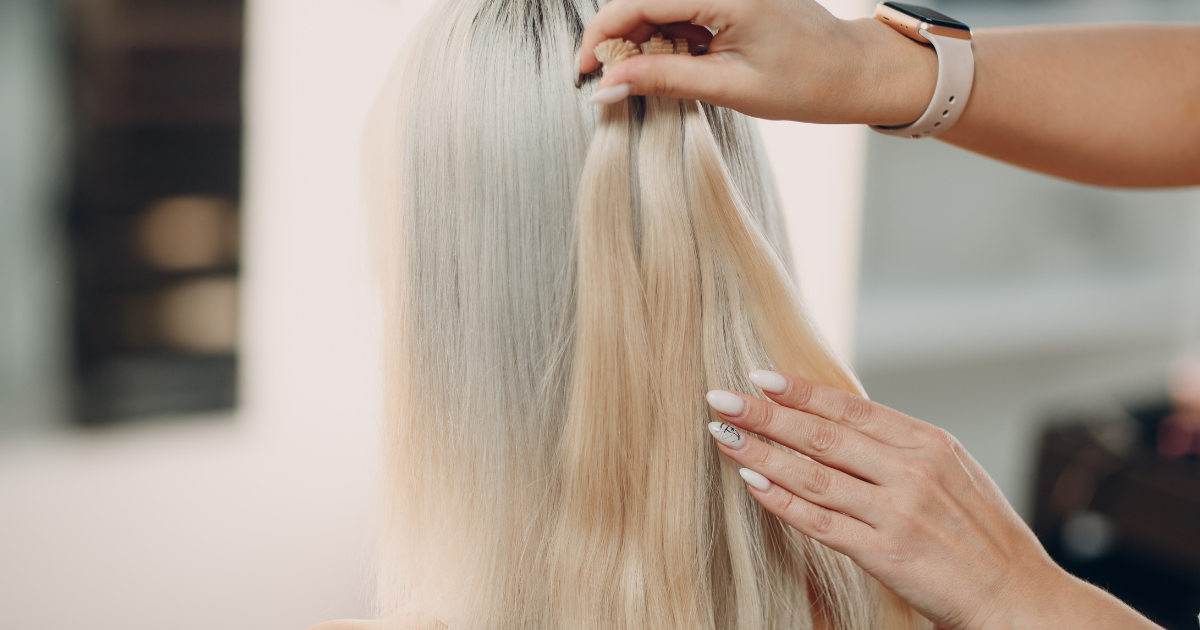
Extensions are not only a length tool. They can introduce fullness, brightness, or contrast without lightening every part of the natural hair. However, the attachment method, color match, placement, maintenance, and comfort all matter.
A stylist should consider whether the goal is longer hair, greater density, or strategic color. The extensions should also remain discreet in the hairstyles the client actually wears.
Tension deserves attention. The AAD warns that repeatedly wearing styles that pull can contribute to traction alopecia. Extensions should not cause persistent pain, headaches, sores, or excessive pulling.
An Aventura Example of a Flexible Color Menu
U Style Salon in Aventura, Florida, publishes a menu that includes single-process color, INOA single-process color, partial and full highlights or lowlights, balayage, precision cuts, blowouts, hair treatments, and extensions.
That range illustrates why service names should be treated as starting points. Single-process color can create an overall shift or address regrowth, while highlights, lowlights, and balayage offer different ways to build dimension. Treatments, cutting, styling, and extensions can then affect how the completed design moves and appears.
The salon lists its prices as starting amounts, which is an important distinction for customized work. Hair length, condition, service complexity, product needs, and the selected professional may influence the final plan. Clients should confirm suitability, timing, maintenance, and current pricing directly during consultation.
Florida consumers can also use the state’s Department of Business and Professional Regulation license-verification portal to research cosmetology professionals and establishments.
Bring Better Questions to Your Color Consultation
- Which parts of my inspiration are realistic for my starting color?
- How does my previous color history affect the plan?
- What will happen if we preserve more natural depth?
- How might the result appear when worn straight and wavy?
- What maintenance is likely after four, eight, and twelve weeks?
- Can this goal be divided into stages?
- What should I do if the scalp or hair reacts unexpectedly?
The Future of Color Is Thoughtful Customization
The most wearable color rarely comes from copying a formula or applying maximum lightener. It comes from understanding the starting canvas, controlling contrast, refining tone, protecting the hair, and planning the grow-out before the first section is painted.
That is what makes modern dimensional color feel innovative. The technique may be sophisticated, but the final result should feel natural, personal, and surprisingly easy to live with.