A Smarter Way to Use Pensacola Barber Shop Services
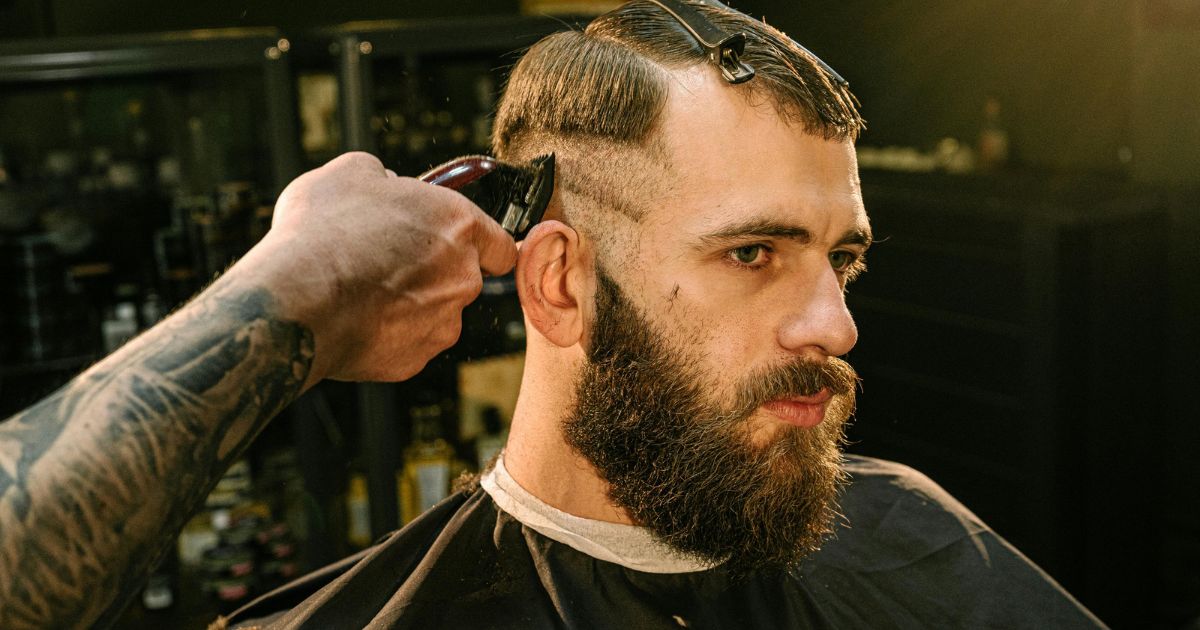
Pensacola barber shop services can do more than make your hair shorter. The right combination of a cut, beard work, and simple maintenance can make…

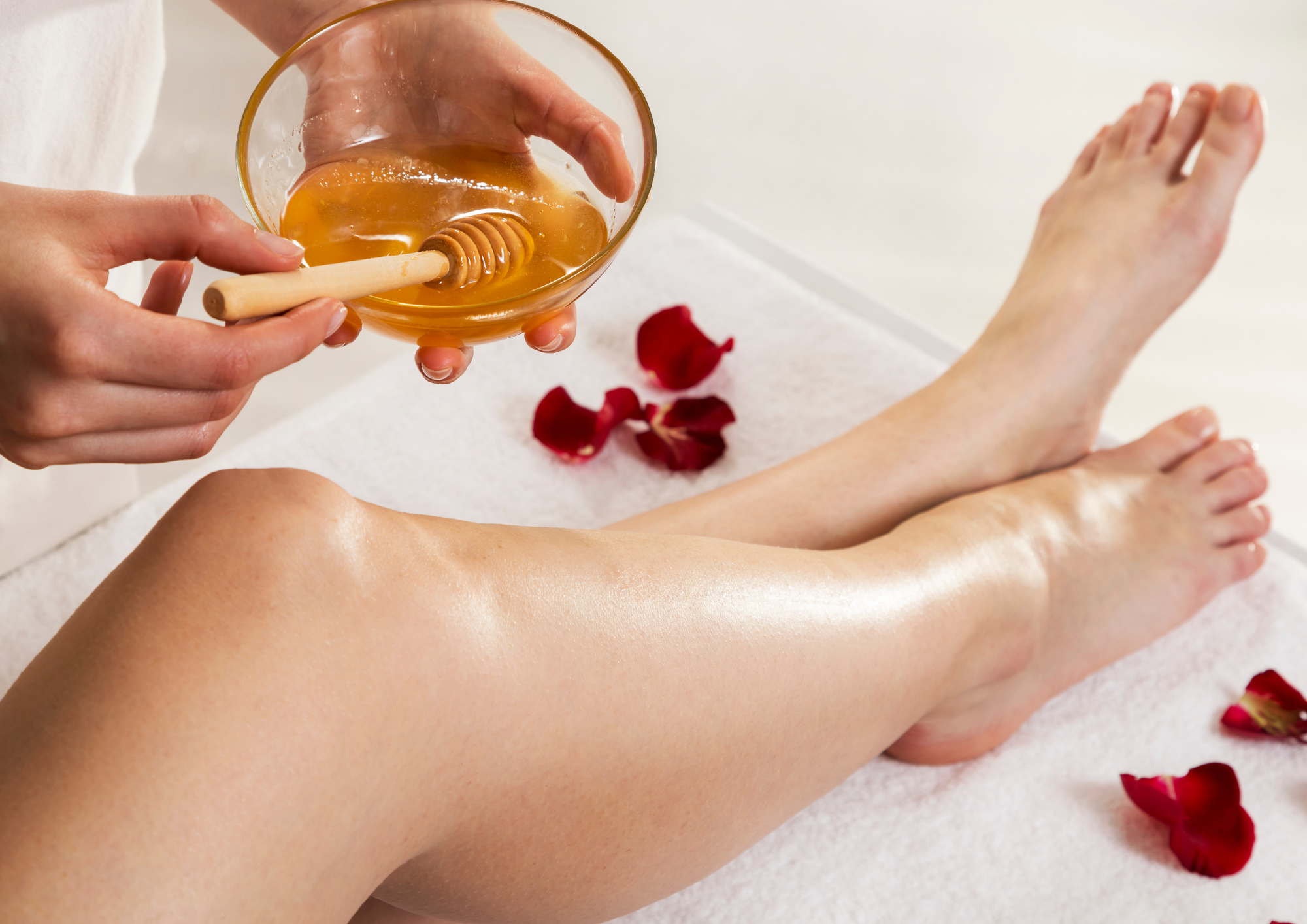
Customized hair removal is changing the beauty conversation from “Which method is best?” to “Which approach makes sense for this skin, this hair, and this routine?”
That shift matters because hair removal is never quite as simple as choosing a body area from a service menu. Hair texture, growth patterns, skin sensitivity, medications, previous reactions, comfort preferences, and maintenance goals can all influence the experience.
In other words, the most innovative approach is not necessarily a new gadget. It is a thoughtful service that treats each client as an individual.
Personalization begins before the wax is applied. A useful consultation gives the service provider an opportunity to learn about the client’s skin and expectations while giving the client space to ask questions.
Important factors may include:
These details help a provider decide whether the skin appears ready for waxing, how to approach a particular area, and what aftercare advice will be most useful. They can also reveal when postponing a service is the smarter choice.
Shaving cuts hair near the surface of the skin, while waxing removes it from the follicle. Neither method is automatically right for everyone. As the Cleveland Clinic explains in its comparison of shaving and waxing, the decision can depend on factors such as skin sensitivity, budget, convenience, and pain tolerance.
Someone who wants a quick, inexpensive option may prefer shaving. Another person may choose professional waxing because removing hair from the root generally allows more time before visible regrowth. A customized plan can also combine approaches, particularly when different areas respond differently.
The key is to avoid treating personal preference as a universal rule. Beauty routines work better when they fit real lives rather than demanding that people adapt to a rigid routine.
The skin around the brows and upper lip does not behave exactly like the skin on the legs, back, or underarms. Facial services often require careful shaping and close attention to products used at home. Body waxing may involve larger areas, changing hair-growth directions, greater friction from clothing, and different privacy considerations.
Brow waxing offers a clear example of personalization. The goal should not be to reproduce the same fashionable shape on every face. Natural growth, facial proportions, existing fullness, and the client’s daily styling habits should guide the design.
A little preparation can make a noticeable difference. The American Academy of Dermatology’s waxing guidance recommends allowing hair to reach approximately one-quarter to three-quarters of an inch, although clients should follow the specific instructions provided by their salon.
Medication disclosure is especially important. The American Academy of Dermatology advises against waxing while taking isotretinoin and for six months after stopping it. It also notes that retinoid creams should generally be avoided for several days before facial waxing. A medical professional should answer questions about altering a prescribed treatment.
Customization should include the experience itself, not just the finished result. Clients differ in pain tolerance, modesty preferences, and how much explanation they want during an appointment.
A professional provider should be able to explain the process, confirm boundaries, and invite feedback without making the client feel awkward. It is perfectly reasonable to ask for a pause, request clarification, or discuss how much hair should be removed before the service begins.
Clean practices matter as well. The Centers for Disease Control and Prevention explains that good hand hygiene helps reduce the spread of germs in workplaces. Clients can also consult the Washington State Department of Licensing when they want to understand or verify professional cosmetology credentials.
Freshly waxed skin may look temporarily pink or feel sensitive. Gentle care can help keep that short adjustment period from becoming more uncomfortable.
Products used after waxing deserve attention too. According to the U.S. Food and Drug Administration, fragrances, preservatives, dyes, metals, and natural rubber are among the substances that may trigger cosmetic reactions in some people. Terms such as “hypoallergenic” do not eliminate the need to read ingredient lists or disclose known sensitivities.
An ingrown hair forms when a removed hair grows back into the skin. The Mayo Clinic notes that shaving, tweezing, and waxing can all contribute to ingrown hairs. People with tightly curled hair may be especially susceptible.
Gentle exfoliation may be appropriate after the skin has settled, but aggressive scrubbing can create more irritation. It is better to ask the provider when to restart exfoliation and which type suits the treatment area.
Hair removal can also damage follicles and occasionally contribute to folliculitis, an acne-like inflammation or infection around the follicles. The American Academy of Dermatology’s folliculitis overview recommends professional evaluation when symptoms persist or cause concern. Increasing pain, spreading redness, drainage, or a recurring rash should not be dismissed as routine aftercare.
A good menu should provide options without making clients feel that they need every available treatment. At 22 Changes Salon and Spa, waxing choices include facial areas such as brows, lips, and the chin, along with body areas including arms, legs, underarms, the back, chest, bikini line, and Brazilian services.
Before booking, consider what you actually want to simplify. Someone frustrated by daily underarm shaving may have a different priority from someone seeking precise brow shaping. First-time clients may prefer to begin with one manageable area, observe how their skin responds, and adjust future appointments accordingly.
It also helps to ask practical questions:
The appeal of personalized hair removal is not perfection. It is control, convenience, and a process designed around the person receiving it. The best results come from realistic expectations, open communication, careful preparation, and aftercare that respects the skin barrier.
That is where beauty innovation becomes genuinely useful. Instead of chasing a one-size-fits-all solution, clients and professionals can build a routine based on skin health, lifestyle, comfort, and individual style. The result is not simply smoother skin. It is a service that feels considered from consultation to aftercare.