A Smarter Way to Use Pensacola Barber Shop Services
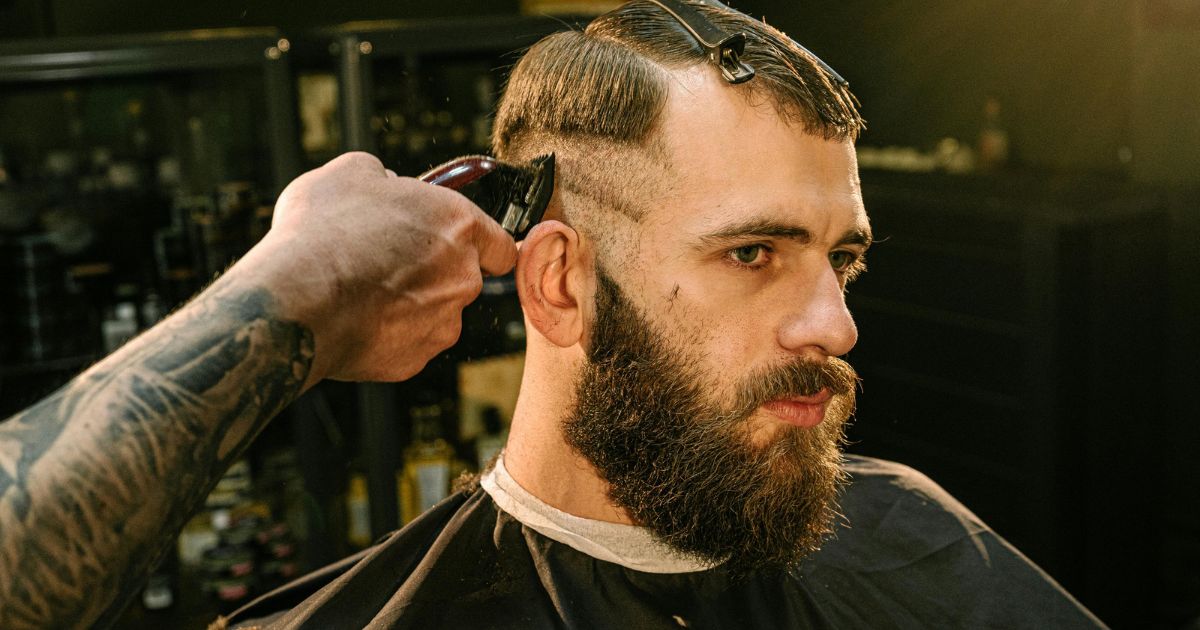
Pensacola barber shop services can do more than make your hair shorter. The right combination of a cut, beard work, and simple maintenance can make…

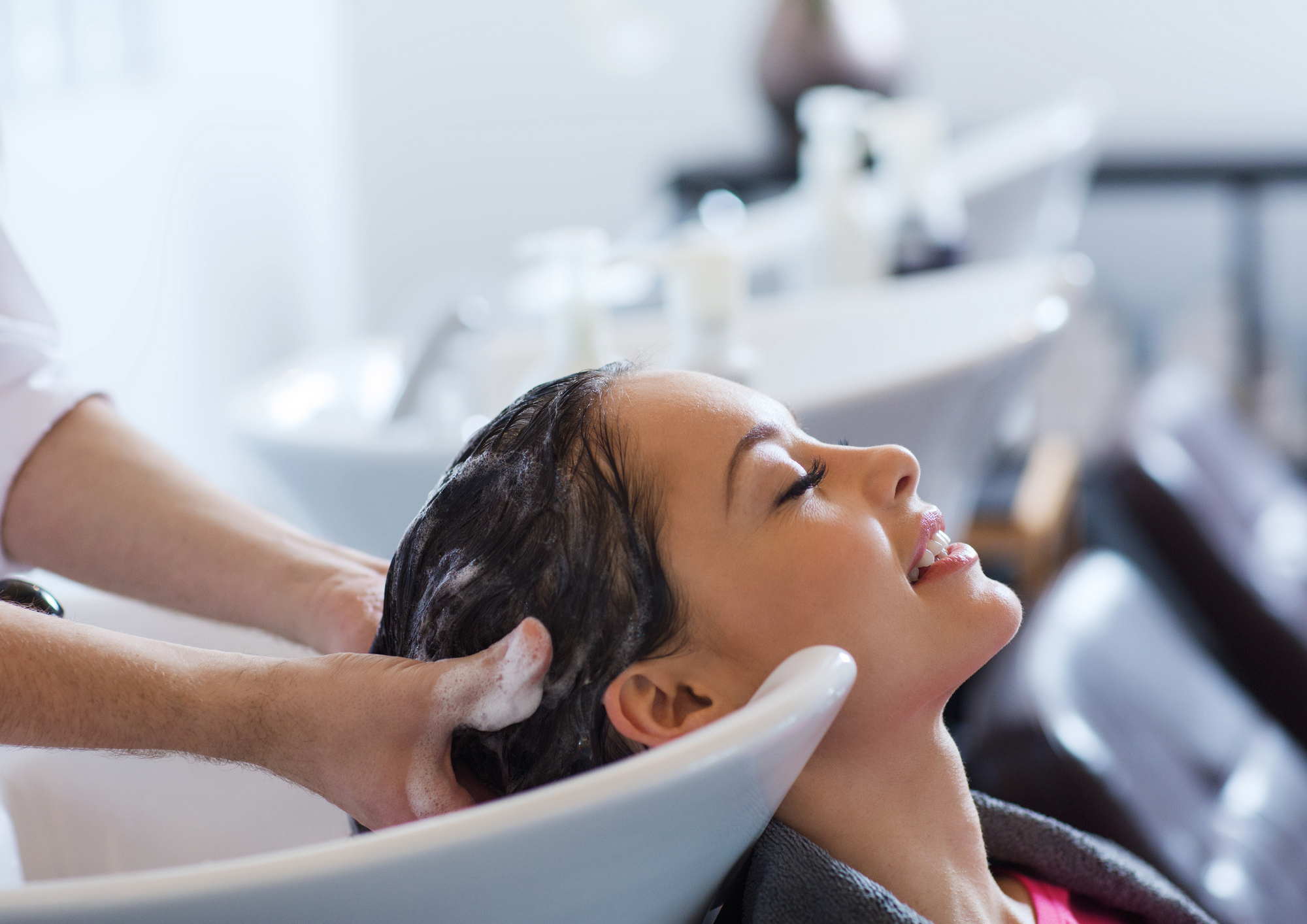
Effective customized hair treatments work best when they are selected through a clear diagnostic process rather than chosen because a product name sounds impressive.
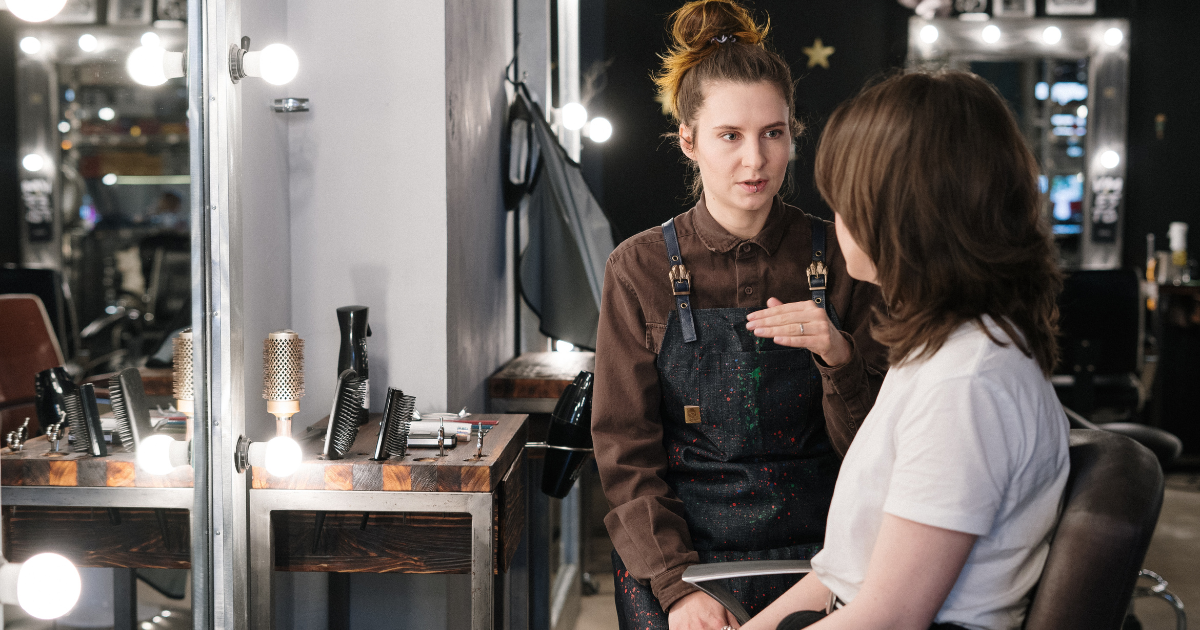
Professional hair care is becoming more precise. Instead of recommending the same conditioning service to every client, stylists can evaluate how the hair looks, feels, and behaves before selecting an appropriate treatment. Dryness, porosity, breakage, frizz, buildup, and scalp discomfort may overlap, but they are not interchangeable problems.
This more analytical approach resembles troubleshooting in technology. First, identify the symptoms. Next, consider the likely causes. Then, select a targeted solution and evaluate the result. The objective is not to use the most complicated treatment available. It is to make the most appropriate intervention for the hair in front of the stylist.
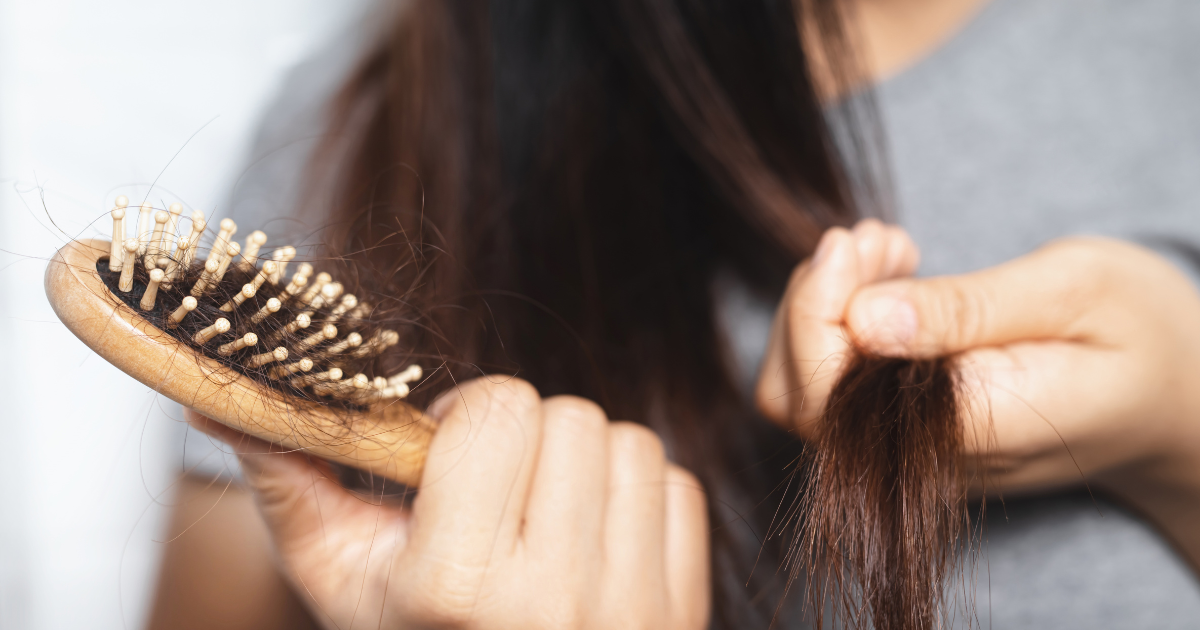
Two clients may both describe their hair as damaged while experiencing completely different issues. One may have rough, porous lengths after repeated lightening. Another may have healthy strands coated with styling-product residue. A third may be dealing with scalp irritation rather than a problem with the hair fiber itself.
A useful evaluation considers several factors:
Research on hair structure and physicochemistry explains how chemical, thermal, mechanical, and environmental stress can alter the hair fiber. This is why a reliable recommendation requires more context than a quick visual inspection.
Hair-treatment language can be confusing because words such as “repair,” “hydration,” and “reconstruction” are sometimes used as though they mean the same thing. In practice, each addresses a different performance issue.
Moisture-focused services are generally intended for hair that feels dry, stiff, dull, or difficult to detangle. Conditioning agents can improve lubrication, softness, and manageability by helping smooth the exterior of the strand and reduce friction.
That does not mean every dry-looking head of hair needs the heaviest available formula. Fine strands may become flat or coated when treated with products designed for coarse, highly porous hair. Product weight and application amount should be adjusted to the individual.
Hair that has been heavily lightened or repeatedly exposed to chemical and thermal stress may feel weak, overly stretchy, or prone to snapping. Strengthening services often use proteins, peptides, amino acids, or bond-supporting technologies to improve the strand’s temporary performance.
A review indexed by PubMed discusses the use of functional proteins and peptides in hair-cosmetic formulations. These ingredients may help improve qualities such as strength, manageability, and surface condition, but the formulation and the hair’s existing condition both matter.
More protein is not always better. Hair that is already firm may feel rigid or rough when the treatment is poorly matched. The professional advantage lies in balancing strength with flexibility and moisture.
Frizz may be influenced by porosity, curl pattern, breakage, weather, styling technique, or insufficient conditioning. A lightweight anti-frizz treatment can help improve surface smoothness and make styling more predictable without necessarily changing the natural texture.
Clients should ask whether a service is a conditioning treatment or a chemical smoothing process. Those categories involve different ingredients, procedures, and commitments. The U.S. Food and Drug Administration’s hair-product resources provide helpful safety information about dyes, straighteners, smoothing products, and other cosmetics.
The scalp is living skin, while the visible hair shaft is a keratin fiber. Treating the scalp and conditioning the lengths may happen during the same salon visit, but they are not the same type of care.
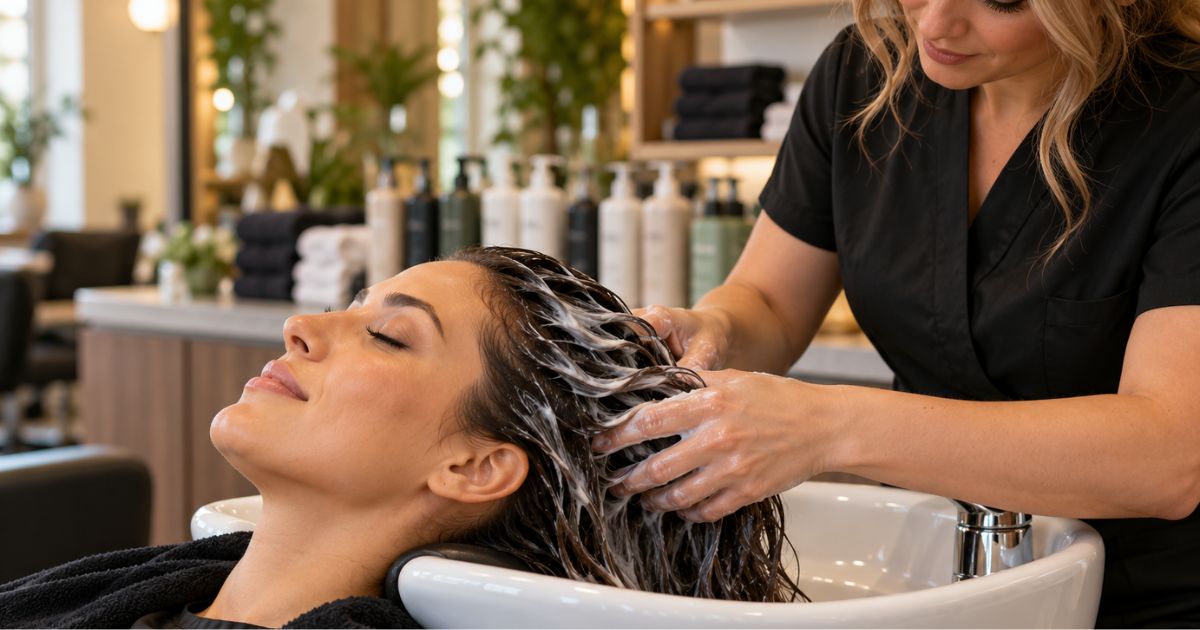
A scalp-focused service may help remove residue, refresh oily areas, or support a more comfortable cleansing routine. Steam, massage, and carefully chosen products may also make the experience relaxing. However, a cosmetic scalp service should not be presented as a cure for a medical condition.
The Cleveland Clinic’s overview of hair follicles explains that follicles are structures within the skin responsible for producing hair. Concerns involving persistent shedding, painful bumps, inflamed skin, or changes in growth require a different level of evaluation than dull or product-coated hair.
The American Academy of Dermatology notes that an itchy scalp can have many causes, including dandruff, product reactions, psoriasis, eczema, and infection. When symptoms are persistent, severe, or accompanied by a rash or hair loss, a dermatologist is the appropriate resource.
A well-designed treatment menu gives stylists several ways to respond to different conditions. It should not encourage every client to select a service based only on the most appealing description.
Salon 27 illustrates this toolkit approach by offering services organized around distinct goals. Its menu includes Milbon Reawaken, Repair, Moisture, and Anti-Frizz treatments; a K18 treatment; Tea Tree Head Spa services; and Awapuhi Wild Ginger HydraTriplex and KeraTriplex options.
The value of having multiple systems is not variety for its own sake. It gives the stylist a broader set of tools for addressing concerns such as dryness, overprocessing, lack of shine, frizz, breakage, or scalp buildup. The consultation determines which tool makes sense.
Many treatment ingredients are also found in home-care products, so what makes a professional service different? The advantage often comes from diagnosis, preparation, controlled application, processing, and follow-through.
A stylist can:
This creates a feedback loop. If the hair responds well, the routine can be maintained. If it becomes heavy, rigid, dry, or difficult to style, the next service can be adjusted.
Hair-care marketing often uses words such as “heal,” “restore,” or “reverse.” These descriptions should be interpreted carefully.
The visible hair fiber does not repair itself like living skin. Cosmetic treatments can coat the cuticle, reduce friction, improve softness, reinforce weak areas, or make damage less noticeable. These benefits can be meaningful, but they do not erase the hair’s complete chemical and mechanical history.
The FDA explains that cosmetic labeling claims must be truthful and not misleading. Products marketed as affecting the body’s structure or treating disease may fall under different regulatory requirements. For consumers, this is a useful reason to favor precise explanations over dramatic promises.
A trustworthy stylist should be able to explain:
A conditioning service cannot indefinitely offset an aggressive styling routine. High temperatures, repeated passes with an iron, and concentrated dryer heat can continue to weaken the strand.
Research on heat-related changes in hair fibers found evidence of cuticle damage and structural alteration from thermal exposure. The AAD’s damage-prevention guidance similarly recommends reducing heat, using lower settings, conditioning after shampooing, and handling wet hair gently.
To preserve treatment results:
The most effective treatment strategy combines an in-salon service with realistic changes at home. If breakage is being driven by daily high heat, rough detangling, or overlapping chemical services, one deep-conditioning session will offer only limited support.
A smarter model tracks progress over time. The stylist can reassess texture, elasticity, shine, and manageability at later visits, then change the treatment as the hair’s needs evolve. Hair that initially requires intensive strengthening may later benefit more from moisture or a lighter maintenance service.
This diagnostic approach is where professional hair care becomes genuinely advanced. The innovation is not simply a new ingredient or branded system. It is the ability to connect the right technology with the right hair, apply it carefully, set accurate expectations, and build a routine that protects the result.