A Smarter Way to Use Pensacola Barber Shop Services
Pensacola barber shop services can do more than make your hair shorter. The right combination of a cut, beard work, and simple maintenance can make…

Personalized haircuts and styling replace the old one-style-fits-all approach with something far more useful: a look designed around how your hair actually behaves.
Beauty innovation is often associated with smart tools, new ingredients, and viral techniques. Yet one of the biggest improvements in modern hair care is surprisingly human. Stylists are paying closer attention to texture, density, growth patterns, styling habits, climate, and maintenance preferences before deciding where to place a single layer.
That shift matters because a haircut does not live permanently under salon lighting. It has to work on rushed mornings, humid afternoons, wash days, and those moments when the most advanced tool available is a hair tie. A flattering shape is only part of the equation. The cut also needs to function.
A reference photo can communicate a mood, but it cannot reveal whether a style will behave the same way on another person. Hair that appears similar in a picture may have completely different density, porosity, elasticity, curl pattern, or previous chemical history.
The science behind this variation is more complex than it looks. A detailed review of hair structure and cosmetic hair care explains how the condition of the hair fiber influences appearance, manageability, and response to products. That means the same cutting or styling technique will not produce identical results for everyone.
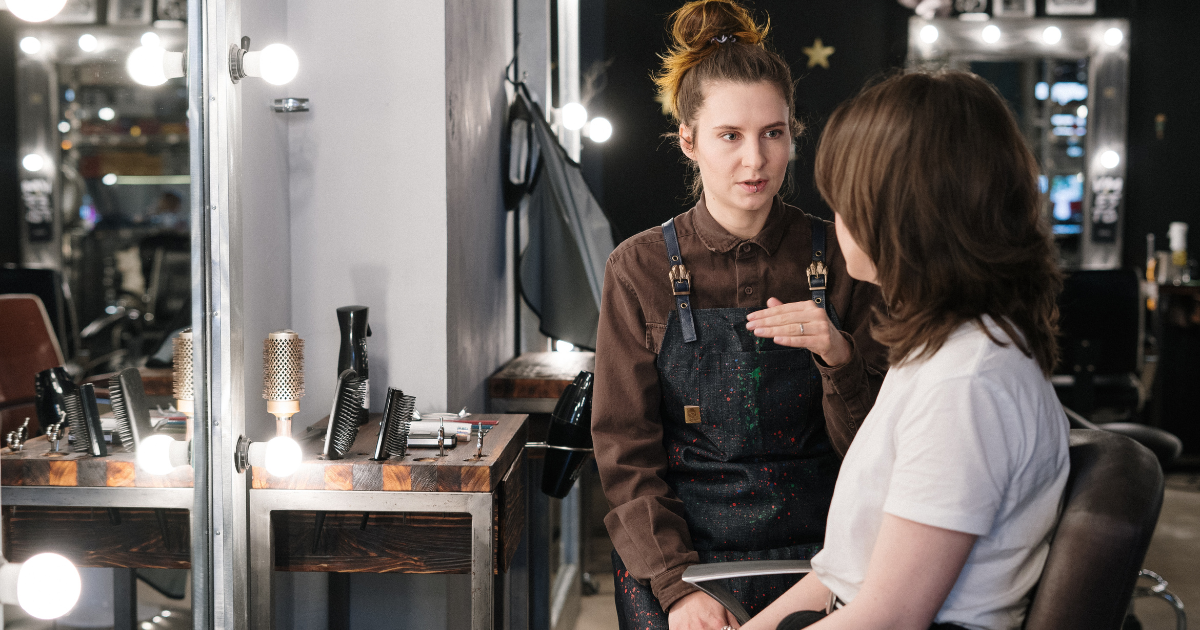
A useful consultation should therefore examine several connected factors:
These details help a stylist design a shape that supports the hair rather than constantly fighting it.
A style can look incredible after a professional blowout and still be a poor fit for everyday life. This is why an honest conversation about routine is more valuable than pretending every morning includes 45 minutes, three brushes, and a full set of hot tools.
Someone who air-dries most days may need a shape that settles naturally with minimal manipulation. A person who enjoys polished blowouts might benefit from layers that create movement and make brush styling easier. If the hair usually goes into a ponytail for work or exercise, the length and placement of shorter pieces deserve extra thought.
There are no wrong answers. A five-minute routine is not less legitimate than an elaborate one. It simply requires a different design.
Texture affects how hair falls, expands, contracts, and responds to weight removal. Curly hair may appear considerably shorter after it dries, while fine straight hair can lose its sense of fullness if it is overly layered. Thick hair may need internal movement, but removing too much weight in the wrong area can create unwanted expansion.
The American Academy of Dermatology’s healthy hair guidance emphasizes choosing routines based on hair type rather than following universal rules. Its separate recommendations for caring for curly and coily hair also note that these textures are more prone to dryness and breakage.
For curls, observing the hair in both wet and dry states can provide useful information. Wet hair reveals length and distribution, while dry hair shows actual spring, volume, and curl grouping. This is why some curl-focused services combine wet and dry cutting rather than relying on only one method.
The objective is not to place every client into a numbered curl category. It is to understand what different areas of the head are doing and build a cohesive shape around that behavior.
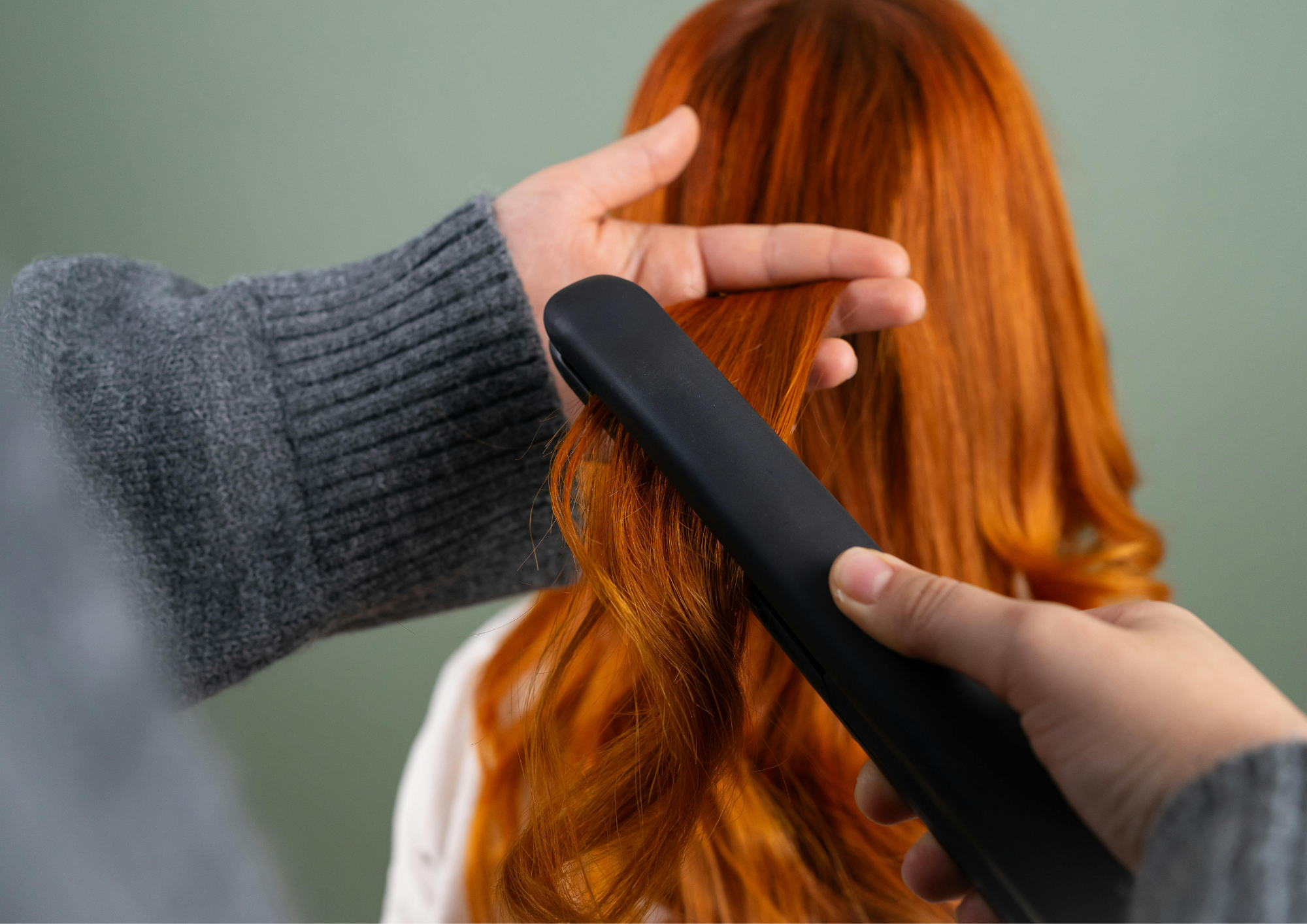
Hot tools are useful, but more heat is not the same as better styling. Excessive temperatures and repeated passes can increase dryness, roughness, and breakage. Research examining hair shaft damage from blow-drying found that technique, distance, and temperature influence the amount of damage.
The American Academy of Dermatology’s advice on styling without damage recommends limiting excessive heat and using low or medium settings when possible. That guidance supports a more intentional approach:
A good haircut can reduce the amount of mechanical work needed to create movement or control volume. In that sense, thoughtful cutting is also a form of damage prevention.
Weather changes hair behavior. Moisture in the air can encourage some textures to expand, lose definition, or return toward their natural pattern. Very dry conditions can increase static and make already-dry hair feel less flexible.
The National Weather Service’s explanation of dew point notes that a higher dew point means more moisture is present in the air. For people living in humid regions, this is not just a weather fact. It can affect whether a sleek finish lasts through the afternoon.
Climate-conscious styling might involve preserving some natural movement instead of trying to eliminate it, using lighter layers of compatible products, or choosing a shape that still looks intentional when volume increases. A realistic plan accounts for the environment rather than promising that hair will ignore it.
Butterfly layers, curtain bangs, rounded bobs, shags, and polished blowouts can all provide inspiration. The innovation happens when those ideas are translated for an individual.
A stylist might adjust a trend by changing:
Someone can enjoy the energy of a trend without receiving an exact replica. A softer interpretation may be easier to maintain, better suited to the hair’s natural texture, and more flattering as it grows.
The final blowout or curl set is not merely a reveal. It is an opportunity to understand how the shape works.
A helpful styling demonstration should answer practical questions: Where should the hair be parted? Which direction should the front sections move? How much product is enough? Should the roots be lifted, smoothed, or left alone? What can be skipped on low-effort days?
Watching the process is useful, but participating is even better. Ask to feel the amount of product used or try the brush movement on one section. A style becomes genuinely personalized when it can be recreated outside the salon.
For readers in Locust Grove and surrounding Henry County communities, Hair Smithsonian offers custom and deluxe haircuts, short or clipper cuts, blowouts, curly hair services, and treatment options. Its curl experiences include wet and dry cutting, which reflects the value of observing textured hair in more than one state.
Some people want a haircut that supports natural texture, while others prefer a smoother finish with reduced styling time. If a longer-lasting smoothing service is part of the plan, ask which product will be used and how it works.
The FDA provides safety information about formaldehyde in certain hair-smoothing products and recommends reviewing ingredients and asking salon professionals about training, ventilation, and available alternatives. Not every smoothing formula is the same, so informed questions are important.
Arrive with inspiration, but also bring information. Photos of styles you dislike can be as useful as images you love. Explain how your hair behaves after washing, where it tends to feel heavy, and which areas are difficult to control.
Most importantly, describe your desired experience rather than relying only on haircut names. “I want more movement without losing ponytail length” is more useful than simply requesting layers. “I want my curls to keep their fullness but form a clearer shape” gives the stylist a practical objective.
The smartest haircut is not necessarily the newest, sharpest, or most dramatic. It is the one that considers texture, condition, routine, environment, and personal taste as parts of the same system. When those pieces work together, styling becomes less of a daily negotiation and more of a reliable routine.