The Smart Manicure Matchmaker for Modern Nails
A modern Nail salon can offer classic lacquer, gel, dip powder, structured overlays, and full-cover extensions, which is fabulous until the service menu starts reading like a chemistry quiz.
The newest nail systems promise gloss, strength, length, or detailed art, but there is no single manicure that wins every category. The right choice depends on how you use your hands, how often you want maintenance, what condition your natural nails are in, and how committed you are to proper removal.
Think of this as a manicure matchmaker. Instead of selecting the trendiest option automatically, choose the technology that fits your actual life.
Start With Your Real Nail Routine
Before comparing products, take an honest look at what your hands experience each week. Someone who types all day has different needs from a gardener, healthcare professional, hairstylist, frequent traveler, or person who regularly lifts weights.
Ask yourself:
- Do I want natural length or an extension?
- How often can I return for maintenance?
- Do my nails currently peel, split, or feel unusually thin?
- Does my work limit nail length or artificial enhancements?
- Am I willing to schedule professional removal?
- Do I enjoy changing colors frequently?
- Is elaborate art more important than quick removal?
Your answers matter more than a viral manicure video. A beautiful system becomes frustrating when it conflicts with your schedule, job, hobbies, or patience level.
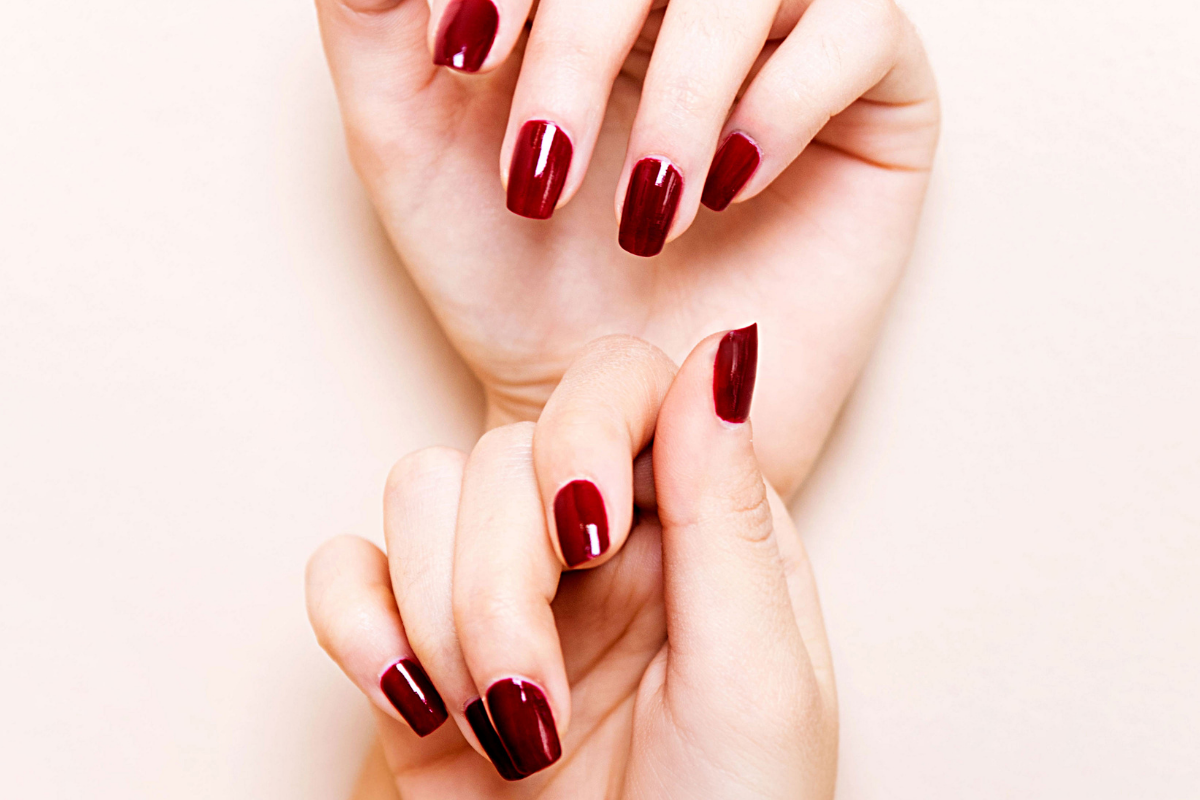
Classic Lacquer Is Still the Flexible Choice
Regular polish may not sound like the most futuristic option, but its flexibility is a genuine advantage. It air-dries, comes in an enormous range of colors, and can usually be removed at home without extensive soaking or filing.
Classic lacquer makes sense if you enjoy changing shades often, want a manicure for a short event, or prefer to avoid a curing lamp. The tradeoff is that it generally chips sooner than longer-wearing systems and needs more drying time immediately after application.
Allow enough time before reaching into a purse, putting on tight shoes, or fastening a seat belt. Polish may feel dry on the surface before all its layers have fully hardened.
Gel Polish Prioritizes Gloss and Longer Wear
Gel polish is cured under a compatible lamp, creating a glossy finish that resists ordinary smudging. It is a popular match for vacations, busy schedules, and anyone who wants color to remain polished-looking longer than traditional lacquer typically does.
The innovation comes with responsibilities. Peeling gel off can remove surface layers of the natural nail. The American Academy of Dermatology’s gel manicure guidance recommends protecting the hands from ultraviolet exposure and resisting the urge to pick the product away.
If you choose gel regularly:
- Apply broad-spectrum, water-resistant sunscreen to exposed skin before curing, following dermatological guidance.
- Keep product off the surrounding skin.
- Do not peel or pry up lifting edges.
- Arrange appropriate removal instead of scraping aggressively.
- Moisturize the nails and surrounding skin between services.
Burning, itching, swelling, or a rash should not be accepted as a normal part of beauty maintenance. Stop the service and seek medical advice if a reaction develops.
Dip Powder Suits Clients Who Value Durability
Dip systems combine an adhesive base with finely milled powder to build a firm color layer. They can provide substantial wear without the same application process used for traditional liquid-and-powder acrylic.
That firmness is useful for some clients, but it does not make the natural nail underneath indestructible. The AAD’s dip powder manicure advice emphasizes protecting the cuticles and avoiding removal by picking or biting.
Hygiene also matters during application. Ask whether powder is portioned or applied in a way that avoids repeatedly placing multiple clients’ fingers into the same container.
Dip may be a strong match when you want durable color on natural-length nails and can commit to careful removal. It may be less convenient if you like changing shades every few days.
Builder Gel Adds Structure Without Automatic Length
Structured manicures use a thicker gel to create shape and reinforce the natural nail. The product can help form an even apex, provide support, and create a smooth foundation for color.
This is an interesting middle ground for people who want more structure than gel polish but do not necessarily want long extensions. It can be especially appealing when natural nails grow but tend to bend at the free edge.
Builder gel still requires maintenance as the nail grows. Ask whether the specific formula is soak-off or file-off because the correct removal process depends on the product. “Gel” describes a broad category, not one universal formula.
Full-Cover Gel Extensions Deliver Fast Length
Full-cover soft gel tips, often associated with Gel-X-style services, extend from the cuticle area to the free edge. They can create consistent shapes and noticeable length without sculpting every extension from scratch.
This system is ideal for someone who wants an immediate transformation or a uniform base for nail art. However, length should still be chosen according to daily function. An extra-long shape may look incredible in photos while making contact lenses, jewelry clasps, keyboards, or household tasks unnecessarily difficult.
If you are new to extensions, begin shorter than your fantasy set. You can explore more dramatic lengths after learning how your hands adapt.
Acrylic Remains a Customizable Classic
Acrylic uses a liquid monomer and polymer powder that harden after being combined. A trained technician can use it to add strength, create length, and sculpt a wide range of shapes.
Its durability and customization explain why it remains relevant despite newer systems. Maintenance is part of the commitment, however, because the product grows away from the cuticle with the natural nail.
The AAD offers practical suggestions for reducing damage from artificial nails. Regardless of the enhancement chosen, do not use artificial coverage to conceal a painful, discolored, injured, or potentially infected nail.
Removal Is Part of the Manicure
A nail service is not finished when the color starts lifting. Removal is part of the system and should be considered before application.
Different products may need acetone soaking, reduction with a file, or a combination of techniques. The goal is to remove the coating while preserving as much healthy natural nail as possible.
Avoid these common shortcuts:
- Peeling gel polish from the nail plate
- Forcing an object beneath an enhancement
- Biting off lifting product
- Filing without knowing when the coating ends
- Covering visible discoloration with another set
The FDA’s nail product overview explains how nail products are regulated and discusses ingredients that may cause concern. Product directions and warnings should be taken seriously, including during removal.
Nail Art Can Be Innovative Without Being Impractical
Chrome powders, magnetic cat-eye finishes, dimensional accents, ombré blends, and modern French tips can turn nails into tiny wearable design objects. The secret is matching the art to your maintenance tolerance.
For a lower-commitment experiment, place art on one or two accent nails. If you work with gloves, small children, textiles, food, or delicate equipment, choose smooth details instead of raised charms that may catch.
Bring inspiration, not an expectation of duplication
A reference photo helps communicate color, shape, finish, and mood. Your technician may adapt the design to your nail length, available products, budget, or appointment duration. That creative interpretation is often what makes the final set feel personal.
A Clean Salon Experience Is Part of the Innovation
The most impressive beauty technology means little without thoughtful sanitation and ventilation. The CDC’s nail hygiene guidance notes that dirt and germs can collect beneath fingernails, particularly longer nails.
Clients can also observe whether reusable tools are cleaned and disinfected appropriately and whether foot basins are maintained between guests. According to OSHA’s guidance on biological hazards in nail salons, foot basins should be disinfected after each client and at the end of the day. OSHA also explains that ultraviolet storage boxes do not disinfect tools.
Air quality deserves attention because polishes, adhesives, removers, and enhancement products may release vapors. The Environmental Protection Agency’s nail salon recommendations discuss ventilation, closed product containers, and other practices for reducing exposure.
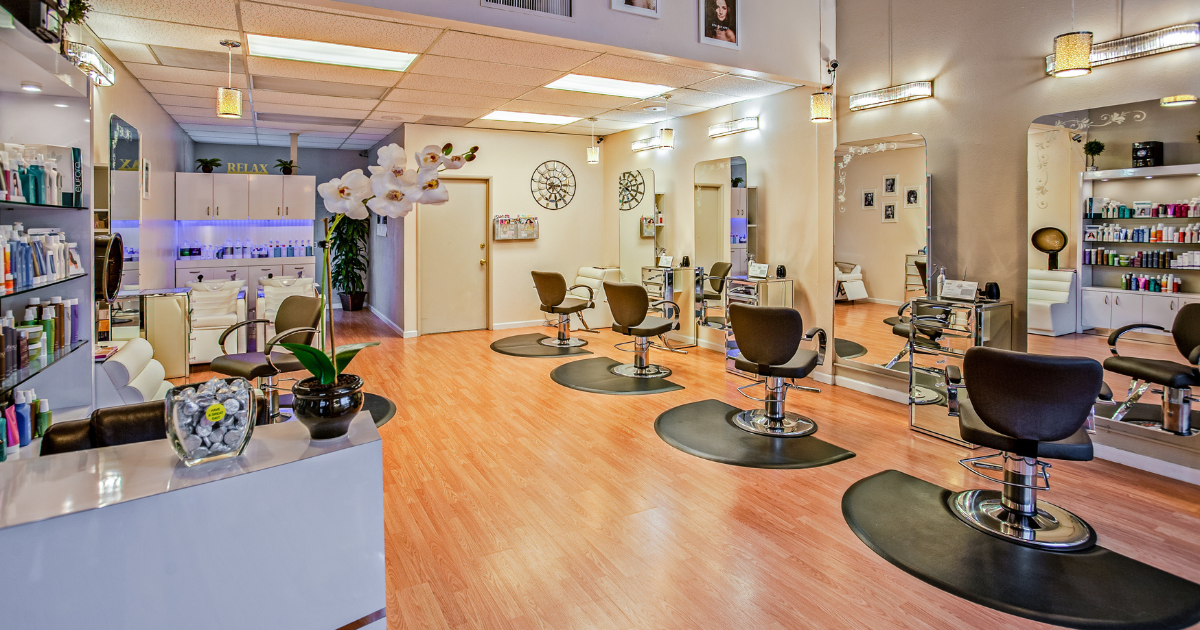
A professional space should look clean, smell reasonably ventilated, and make it easy to ask questions about products or procedures.
Know When a Nail Needs a Doctor Instead
A manicure can improve appearance, but it cannot diagnose or treat nail disease. Postpone cosmetic coverage if you notice pain, swelling, pus, a persistent separation from the nail bed, or an unexplained color or texture change.
The AAD identifies nail changes that deserve medical attention, including a new or changing dark streak. A dermatologist can determine whether a change is caused by injury, infection, a skin condition, medication, or something more serious.
Exploring Modern Nail Options in St. Augustine
The Nail Bar Beautique offers classic and gel manicures, dip powder, full-cover gel extensions, builder balance gel, spa pedicures, and design options such as chrome, cat-eye, ombré, French finishes, and nail art in St. Augustine, Florida.
That range allows guests to choose according to natural nail length, desired structure, style, and maintenance preferences. The useful first step is explaining what you want the manicure to do, not merely showing the finished color.
Use This Quick Manicure Matchmaker
- Choose classic lacquer if you want easy color changes and minimal commitment.
- Choose gel polish if glossy, smudge-resistant color is the main priority.
- Choose dip powder if you want a firmer, durable coating on natural nails or tips.
- Choose builder gel if natural nails need added structure without dramatic length.
- Choose full-cover gel tips if you want an immediate, consistently shaped extension.
- Choose acrylic if customization, sculpting, and significant strength are priorities.
The best manicure innovation is not always the newest product. It is a thoughtful match between technique, nail condition, personal style, and everyday life. Choose the system with its maintenance and removal in mind, ask good questions, and treat nail health as part of the finished look. That is how a manicure stays exciting long after the trend first appears on your screen.