A Smarter Way to Use Pensacola Barber Shop Services
Pensacola barber shop services can do more than make your hair shorter. The right combination of a cut, beard work, and simple maintenance can make…

Great personalized haircuts and styling begin with a surprisingly modern idea: instead of adapting the person to a trend, the stylist adapts the trend to the person.
That may sound obvious, but plenty of haircuts are still chosen from a single photograph and recreated without enough attention to texture, density, growth patterns, or daily routine. The cut can look fantastic before the client leaves the salon, then become frustrating the first time it is washed at home.
The most interesting innovation in haircutting is not a futuristic tool or viral technique. It is a more intelligent process that combines observation, communication, technical skill, and practical education. When those elements work together, a haircut becomes easier to style and more compatible with real life.
Inspiration photos are useful because they give stylist and client a shared visual language. The problem begins when a photograph is treated as an exact instruction manual.
The person in the image may have a different hair density, curl pattern, face shape, growth direction, or styling routine. Lighting, extensions, professional finishing, and even the angle of the photo can also change how the haircut appears.
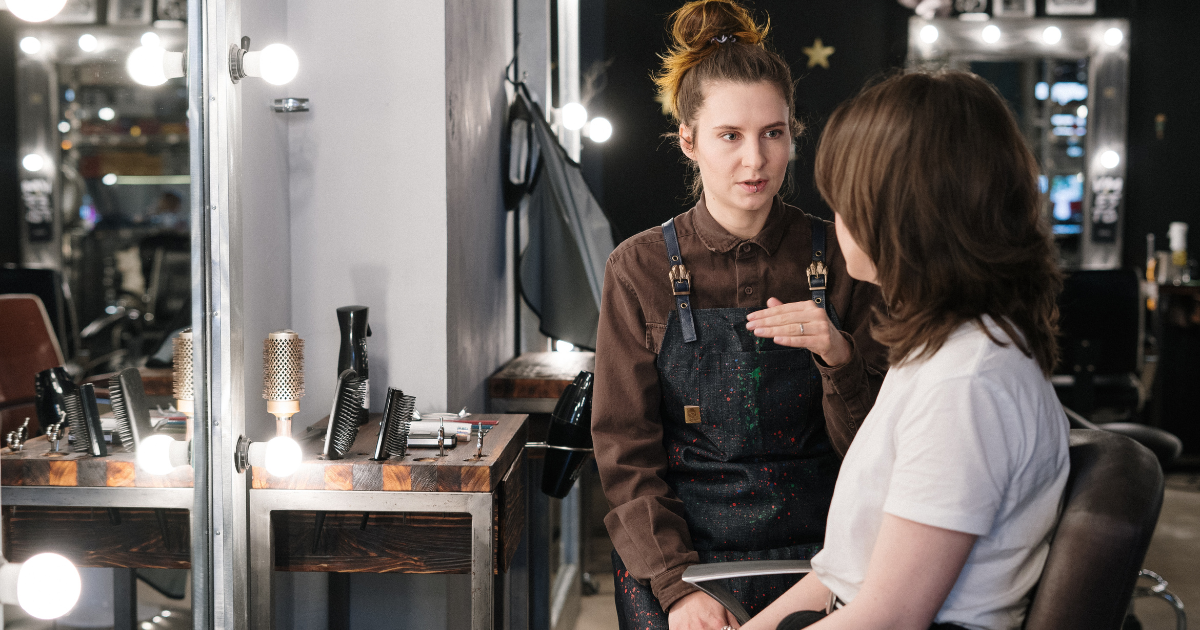
A thoughtful stylist studies what the client actually likes about the image. It may be the softness around the face, the movement through the ends, the height at the crown, or the overall mood rather than the precise shape.
Before committing to a design, it helps to discuss:
This turns visual inspiration into a realistic plan instead of an imitation.
A haircut is essentially a structure built from thousands of fibers. Those fibers do not all behave the same way. According to the American Academy of Dermatology, hair-care decisions should account for whether hair is straight, curly, fine, coarse, thick, or dry.
Density and strand thickness are also different characteristics. Someone can have many fine strands or fewer coarse strands. Both heads of hair may look “thick” at first glance, but they will react differently to layering, texturizing, and weight removal.
Fine hair often benefits from a strong perimeter that preserves the appearance of fullness. Too much internal layering can leave the ends looking sparse, while carefully placed movement can prevent a blunt shape from feeling heavy or flat.
Long, dense hair may require more time for sectioning, balancing, and refining. The stylist must decide where weight should remain and where it can be reduced without creating short pieces that expand or become difficult to control.
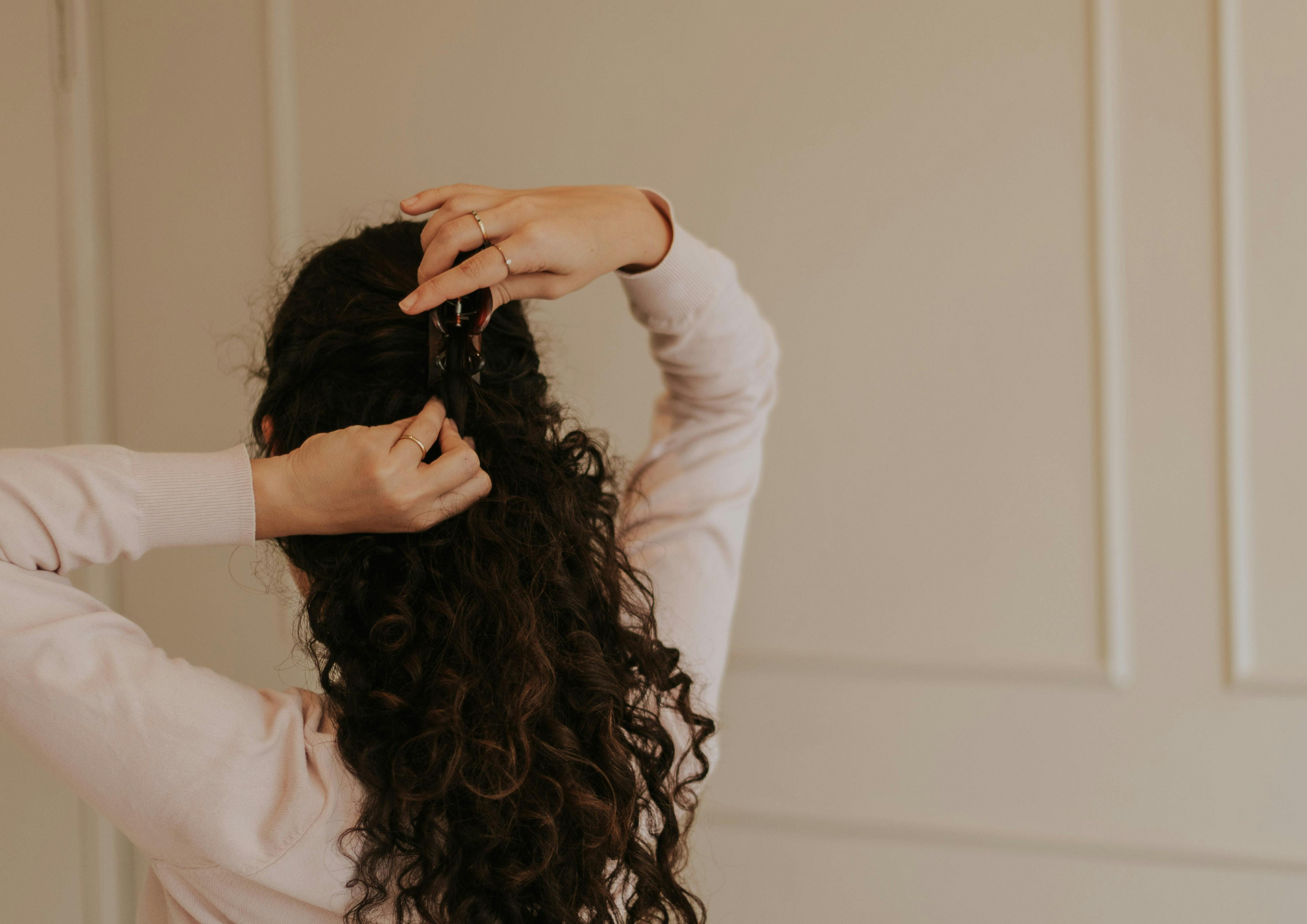
Curls make personalization especially important because the visible length changes as the hair dries. Curl groups may also vary across the same head. A scientific review of the characteristics of curly hair highlights how fiber shape and curvature contribute to its distinctive behavior.
A curl-focused cut should consider shrinkage, natural grouping, volume distribution, and how the client usually wears the hair. The AAD’s curly-hair guidance also notes that curly and coily hair tends to be more vulnerable to dryness and breakage, making gentle handling particularly important.
Face shape is only one part of personalization. A more useful consultation also explores schedule, climate, work requirements, exercise habits, and styling confidence.
A client who enjoys a detailed morning routine may love a cut that responds to a round brush or curling iron. Someone who has ten minutes to get ready needs a shape that cooperates with limited effort. Neither preference is more sophisticated. They simply require different design choices.
Useful details include:
This lifestyle-based approach can be seen in the service structure at Salon 27 in Mesa, where haircut options distinguish between clipper cuts, short cuts, medium-to-long lengths, curly hair, and extra-long or thick hair. Those categories recognize that different textures and lengths may require different amounts of time and technical attention.
The final styling process is not merely a reveal. It shows how the shape behaves when dried and gives the stylist an opportunity to make small refinements.
A blowout may reveal areas that need better weight distribution. Diffusing can show whether curls are forming evenly. Styling a short cut can identify sections that require additional texture or support. This finishing stage is part of quality control.
It should also include useful teaching. A client should leave knowing how to recreate a reasonable version of the look, even if it will not have the exact polish of a professional blowout.
Instead of trying to remember every movement the stylist makes, focus on a few practical questions:
A good routine should be repeatable. If the haircut requires five products and several hot tools every morning, it may not be truly personalized for someone who prefers low-maintenance hair.
Heat tools can create smoothness, bends, volume, or definition, but they should not be required to fight the haircut every day. The American Academy of Dermatology’s styling recommendations encourage lower temperatures, less frequent heat use, and gentle handling of wet hair.
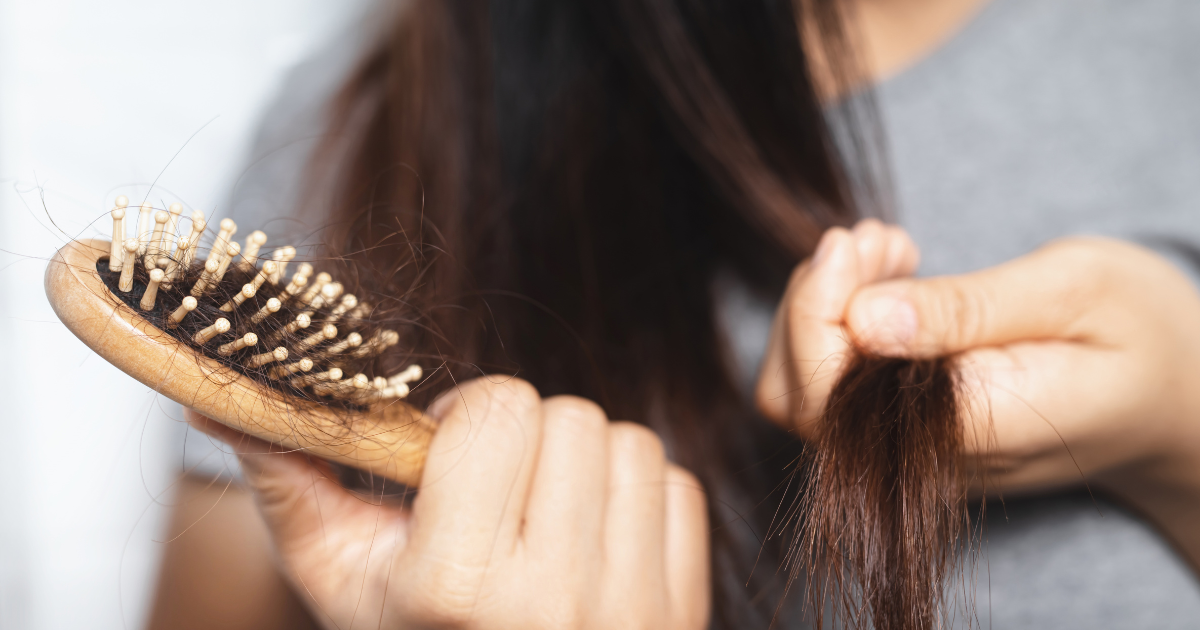
Laboratory research indexed by PubMed has also documented structural changes associated with thermal damage. In everyday terms, repeated exposure to excessive temperatures can contribute to roughness, weakness, and breakage.
Practical ways to limit unnecessary stress include:
The haircut itself should do most of the structural work. Styling should enhance that structure rather than rescue it.
Personalization does not end with length and layers. Products need to suit the hair’s texture, condition, desired finish, and washing routine.
A rich cream that gives coarse curls softness may overwhelm fine hair. A lightweight volumizing spray may work beautifully on a short, airy cut but provide too little control for dense curls. Even cleansing frequency should vary according to scalp oil, product buildup, activity level, and texture.
The U.S. Food and Drug Administration explains how common styling, cleansing, coloring, and smoothing products are regulated as cosmetics. Labels and directions deserve attention, especially when introducing a new formula or using several products together.
More product is not automatically better. Start with a small quantity, distribute it evenly, and add more only where needed. This keeps the haircut mobile and prevents buildup from disguising its shape.
Local conditions can affect how hair feels and behaves. In a sunny, dry environment such as Mesa, hair may need extra protection from moisture loss and ultraviolet exposure, particularly when it is lightened or already fragile.
The AAD’s seasonal hair-care advice explains that ultraviolet radiation can contribute to dryness, brittleness, color changes, and protein damage. Hats, leave-in conditioning products, and sensible heat styling can help reduce cumulative stress.
Climate-aware customization might mean preserving more weight to control expansion, recommending moisture without heaviness, or creating a shape that still works after exposure to outdoor heat. These are small adjustments, but they often determine whether a haircut stays cooperative between salon visits.
A customized experience should feel specific before, during, and after the service. Good signs include:
Personalization also means knowing when to modify a trend. Curtain bangs, textured bobs, shags, and highly layered cuts can all be adapted, but no single version works for every person. The strongest design preserves the idea that attracted the client while changing the details that would make it impractical.
Beauty innovation is sometimes presented as a parade of devices, apps, and viral techniques. Yet one of the most meaningful advances is refreshingly human: listening carefully, observing how hair naturally behaves, and designing around the person who will live with the result.
A successful haircut should continue working after the professional finish is gone. It should make daily styling clearer, respect the natural texture, and grow out in a manageable way. When consultation, technique, education, and lifestyle all shape the service, the result is more than current. It is genuinely personal.