The Low-Maintenance Hair Revolution Is Better by Design
The Low-Maintenance Hair Revolution Is Better by Design A Hair salon can make beauty routines easier by designing cuts, color, extensions, and texture services around…

A Hair salon can make beauty routines easier by designing cuts, color, extensions, and texture services around how a client actually lives.
Low-maintenance hair does not mean ignoring your roots or giving up on polished results. It means choosing techniques that age gracefully, support your natural texture, and fit the amount of time you genuinely want to spend styling and scheduling salon visits.
This shift is one of the most practical beauty innovations in years. Instead of chasing a picture-perfect result that lasts for one afternoon, stylists and clients are thinking about how hair will behave after several washes, during humid weather, and months into the grow-out.
A useful consultation goes beyond asking which color or haircut you want. It explores how the finished look needs to function.
The U.S. Bureau of Labor Statistics identifies hair and scalp analysis, hairstyle discussions, and care advice among the regular responsibilities of hairstylists and cosmetologists. These conversations help transform inspiration into a realistic service plan.
Before committing to a major change, consider:
There is no universal definition of easy hair. A monthly gloss may feel effortless to one person, while another wants color that can grow for several months without a visible line.
Traditional color conversations often focus on how light, dark, warm, or cool the finished hair should be. A more innovative approach also asks what the color should look like several weeks later.
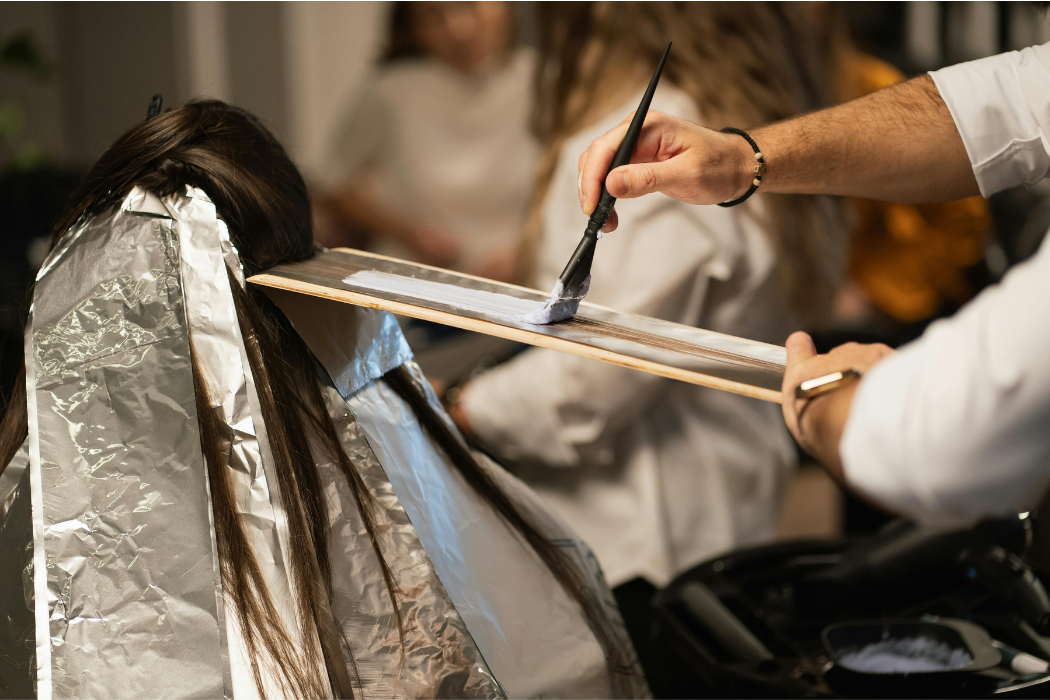
Balayage, dimensional highlights, root shadows, lowlights, and carefully placed brightness can soften the transition between colored hair and new growth. These techniques are not automatically low maintenance. Placement, contrast, starting color, and home care still determine how the result changes over time.
Terms such as lived-in blonde, expensive brunette, and caramel balayage can mean different things to different people. It is more useful to discuss specific visual details:
Hair condition also affects the plan. The American Academy of Dermatology explains that substantial lightening generally requires stronger peroxide and may produce more damage. Reaching a dramatic blonde safely may require several stages rather than one aggressive session.
Color safety should remain part of the conversation. The U.S. Food and Drug Administration advises following product warnings and completing the instructed skin test before every hair-dye application. A person can develop a reaction even after using similar color previously.
Gray hair used to be treated as an all-or-nothing decision: cover every strand or stop coloring completely. Gray blending creates more possibilities between those options.
Scientists continue to study why hair loses pigment. The National Institutes of Health summarizes research connecting graying with changes in the stem cells responsible for producing pigment-making cells. Graying is a biological process, not evidence that someone has neglected their hair.
Some clients want opaque coverage. Others prefer highlights, lowlights, translucent color, or strategic blending that reduces contrast without hiding every silver strand. Men may also choose subtle gray camouflage that refreshes the overall tone without creating a sharply colored appearance.
The right approach depends on coverage expectations and maintenance preferences. Before selecting a method, ask:
A salon blowout can make almost any haircut look impressive. The better test is how the shape behaves after the client washes it at home.
Texture, density, growth patterns, length, and styling habits should influence the cut. Fine hair may benefit from a stronger perimeter, while thick hair may need carefully placed weight removal. Curly hair requires consideration of shrinkage and variation between curl patterns.
Ask the stylist to explain how the cut will behave when air-dried, worn naturally, or pulled back. If a shape requires hot tools every day, that should be understood before the first section is cut.
The American Academy of Dermatology recommends limiting excessive heat and continuously tight hairstyles. A well-designed haircut can reduce the amount of manipulation needed to achieve a finished look.
Hair extensions are no longer reserved for dramatic, waist-length transformations. Strategic placement can add fullness around the sides, reinforce a thin-looking perimeter, introduce temporary color, or support a particular haircut shape.
That flexibility makes extensions useful, but it does not make them maintenance-free. Clients should understand the installation method, movement, visibility, home care, removal process, and complete cost before committing.
Ask these practical questions during an extension consultation:
Extensions should not cause persistent pain or headaches. The American Academy of Dermatology warns that repeated pulling can contribute to breakage and traction-related hair loss. Discomfort should be discussed promptly rather than treated as a normal part of installation.
A smoothing service may reduce frizz, shorten styling time, or make hair more manageable. However, keratin treatments are not all identical, and the expected duration can differ among formulas.
Before receiving one, ask what the service is designed to accomplish, how it interacts with color, which home-care products are recommended, and how long the cosmetic effect typically lasts.
Product safety matters too. The Occupational Safety and Health Administration reports that some hair-smoothing products may contain or release formaldehyde. Clients can request the product name and ask about ingredients, ventilation, heat, and handling precautions.
A smoothing treatment should not be mistaken for medical care. Sudden shedding, scalp pain, sores, or unexplained hair loss should be evaluated by a qualified healthcare professional.
Beauty innovation is often imagined as a new device or formula, but scheduling practices can influence results just as much. When a stylist is not moving between several overlapping clients, there may be more time for consultation, careful application, progress checks, and styling education.
Focused service can also make it easier to adjust the plan when hair responds differently than expected. This is particularly useful for corrective color, major transformations, extensions, and texture services.
The experience should still be collaborative. Dedicated time is valuable when it produces clearer communication, not simply a longer visit.
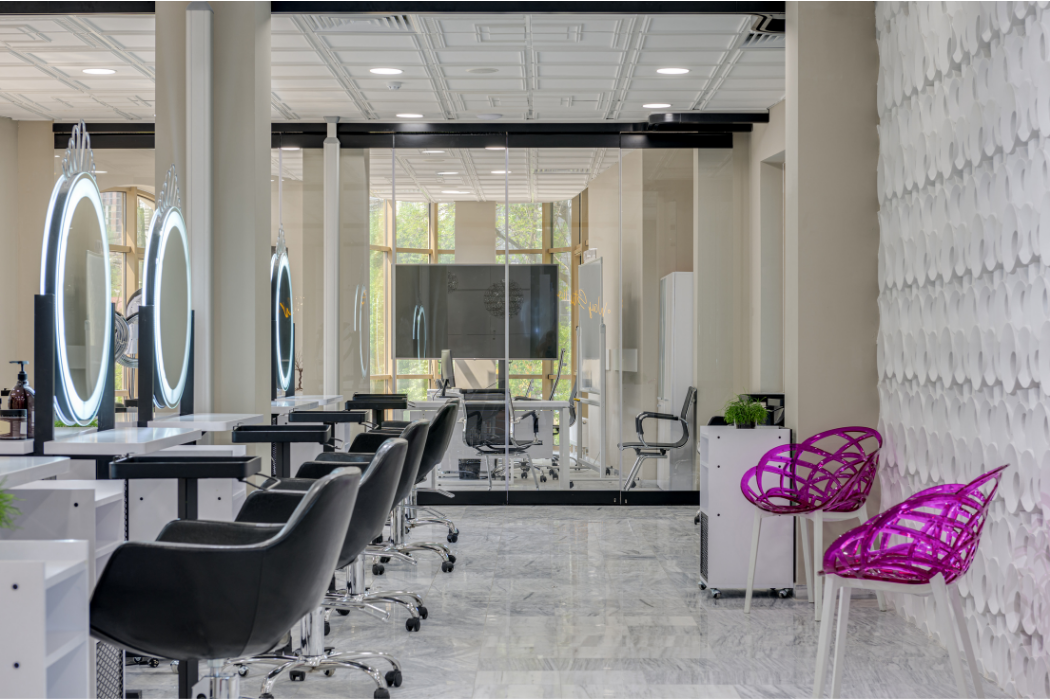
Level 7 Salon, located in Atlanta’s Midtown area, presents its approach around natural-looking color, individualized service, and results designed to fit the client’s lifestyle.
Its published offerings include haircuts, dimensional color, highlights, balayage, gray coverage, gray blending, styling, deep conditioning, Hairtalk tape-in extensions, body waves, and keratin treatments. The salon states that it does not double-book clients and that its stylists participate in ongoing advanced training.
The service menu also explains that prices are starting amounts and can vary according to the stylist, time demand, hair length, and condition. That type of pricing context helps clients understand why an in-person consultation may be necessary before receiving a final estimate.
Georgia consumers who wish to research professional credentials can use the state’s cosmetology and barber license verification system. Current services, pricing, availability, product suitability, and maintenance requirements should be confirmed directly with the salon.
Low-maintenance beauty is not about doing the least possible. It is about making intentional choices so that each cut, color, or treatment continues to serve a purpose long after the salon finish is gone.
When the consultation accounts for texture, hair history, grow-out, comfort, budget, and daily routine, the result becomes more personal and more sustainable. That is the real low-maintenance revolution: hair designed to look good not only in a photograph, but in everyday life.