The Low-Maintenance Hair Revolution Is Better by Design
The Low-Maintenance Hair Revolution Is Better by Design A Hair salon can make beauty routines easier by designing cuts, color, extensions, and texture services around…

A Hair salon can help you create a look that works with Charleston’s changing weather instead of requiring constant touch-ups whenever you step outside.
Beauty innovation is not always a futuristic tool or viral new treatment. Sometimes it is a smarter design process. The haircut supports the natural texture, the color grows out gracefully, the styling routine accounts for humidity, and the products have clearly defined jobs.
This approach is especially useful in a coastal city where heat, moisture, wind, indoor air conditioning, and sudden rain can all affect the same look. Instead of trying to make hair completely weatherproof, the goal is to build a style that remains attractive as conditions change.
Charleston’s weather deserves a place in the consultation. The National Weather Service provides local climate data for the Charleston area, including temperature, precipitation, and historical climate information. Those conditions can influence how frequently someone shampoos, how long a blowout holds, and how much natural texture reappears outdoors.
Hair does not need to become perfectly smooth to look polished. A better question is whether the style can move from controlled to softly textured without losing its overall shape.
Research available through the National Library of Medicine describes the structure of hair keratin and evaluates changes under high-humidity conditions. The practical takeaway is straightforward: moisture can alter how a finished style behaves, so product selection alone cannot compensate for a haircut or routine that ignores the environment.
Words such as “sleek,” “natural,” “beachy,” and “low maintenance” can mean very different things to different people. Before discussing techniques, define what success should look like on an ordinary day.
Useful questions include:
These answers create a more useful design brief than asking for a trendy photograph without explaining how the result must function.
A versatile haircut should look intentional when fully styled and when the local weather brings out more natural movement. This does not mean that everyone needs layers or a short cut. It means that length, weight, perimeter, and internal movement should support the hair’s actual behavior.
During the salon visit, learn how to create two versions of the haircut:
If the simplified version requires six products and a complicated tool routine, it is not genuinely simple. Ask which one or two actions make the greatest visible difference.
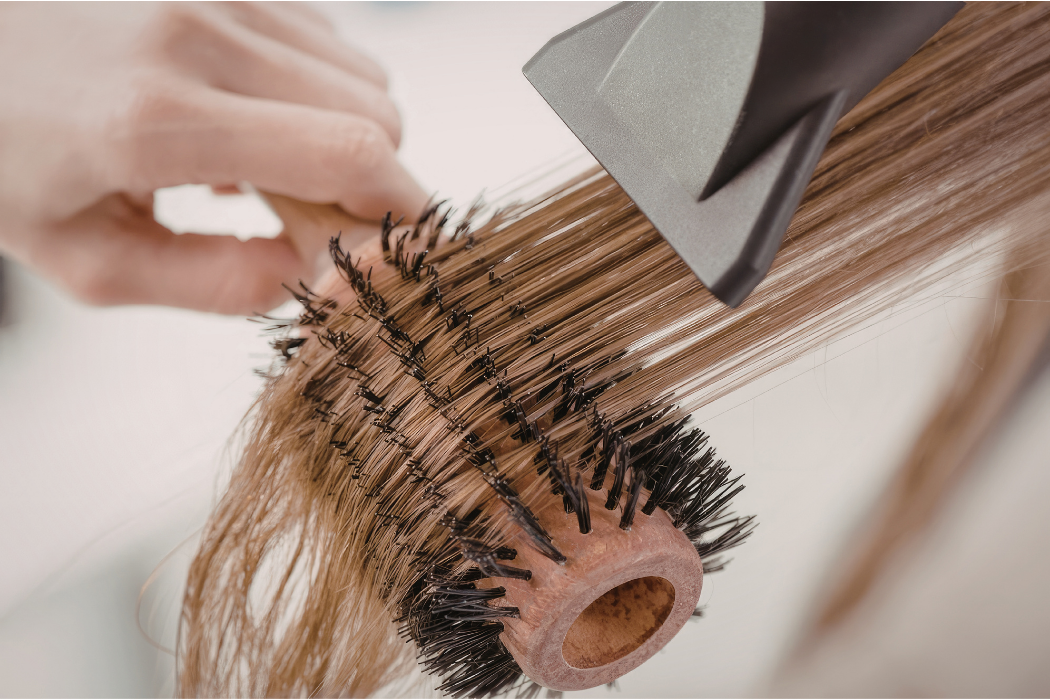
The American Academy of Dermatology recommends reducing unnecessary heat and handling wet hair carefully. A style that depends on repeated high-temperature passes may become difficult to maintain without accumulating dryness or breakage.
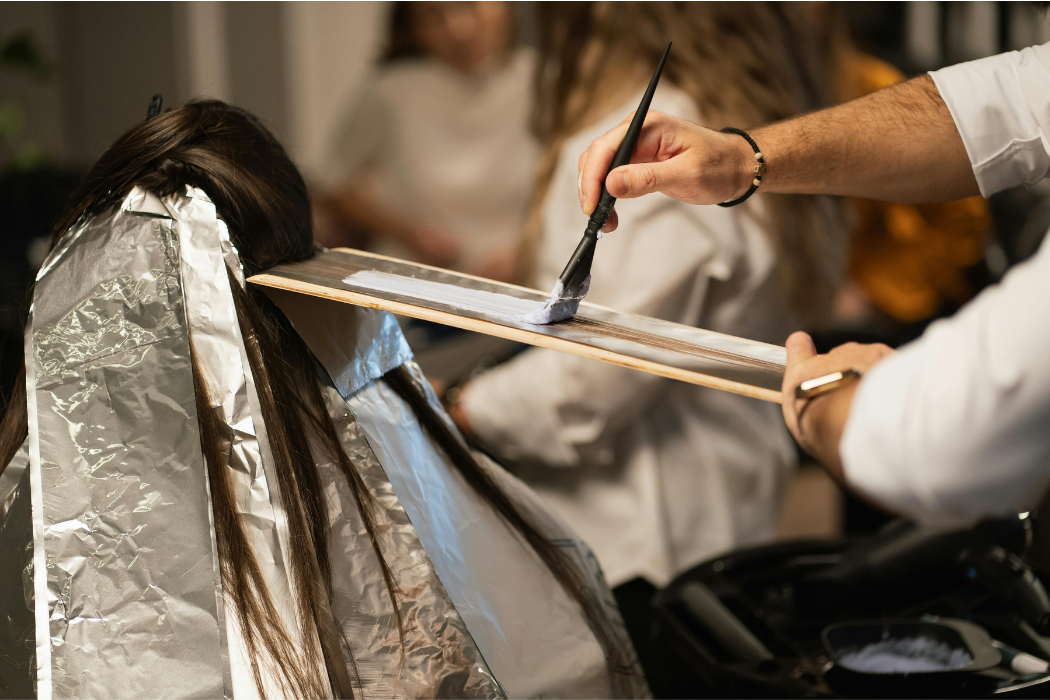
Modern color can create a noticeable change without processing every strand. Strategic brightness around the face, carefully placed highlights, added depth, or a gloss may deliver the desired effect with a more manageable grow-out.
A useful color consultation should review:
Bring photographs of colors you like, but explain the specific details that attract you. You may love the brightness of one image, the warmth of another, and the soft root transition in a third. Those details are more actionable than requesting an exact copy.
Safety history also matters. The U.S. Food and Drug Administration provides consumer guidance about hair dyes, including precautions related to allergic reactions. Tell the stylist about previous itching, burning, swelling, sores, or unexpected hair loss before another chemical service.
A humidity-smart routine does not require an overflowing shelf. It needs a small group of compatible products used in the correct order and amount.
A practical routine may include:
Ask the stylist to demonstrate quantity and placement. “Use a little” is vague. Seeing the amount in someone’s palm and learning whether it belongs near the roots, through the mid-lengths, or only on the ends makes the advice repeatable.
Test new products one at a time whenever possible. If several products enter the routine together, it becomes difficult to identify which one improved softness, caused buildup, or affected volume.
Smoothing, keratin, and frizz-reduction services are not interchangeable. Formulas, application methods, heat levels, longevity, and effects on natural texture can vary considerably.
Before choosing one, ask for:
The Occupational Safety and Health Administration reports that some hair-smoothing products may contain or release formaldehyde. Product-specific information is therefore more useful than relying on a broad label such as “keratin treatment” or “formaldehyde-free.”
Extensions can add length, but they can also create fullness around the sides, strengthen a haircut’s perimeter, introduce color, or make certain styles easier to build. The most innovative application is often not the most dramatic one. It is the smallest amount of added hair that solves a clearly defined problem.
A complete consultation should cover the attachment method, placement, weight, blending, washing instructions, drying requirements, adjustment schedule, removal process, and ongoing costs.
Comfort is essential. The American Academy of Dermatology advises taking precautions to reduce extension-related damage. Persistent pulling, pain, headaches, bumps, or scalp irritation should not be accepted as a normal part of wearing extensions.
Charleston weddings, dinners, photographs, and outdoor celebrations may expose hair and makeup to changing temperatures over several hours. A successful event look should therefore include a refresh plan.
For hair, ask which sections are most likely to loosen and whether they can be repinned without disturbing the entire style. For makeup, identify what should be blotted, powdered, or reapplied and what should be left alone.
Anyone with known skin sensitivities should disclose them before makeup application. The FDA explains common cosmetic allergens and possible signs of a reaction. Bringing a list or photograph of products that previously caused irritation can make the conversation more specific.
A trial is also a performance test. Wear the finished look for several hours, take photographs in indoor and outdoor lighting, and note how it feels rather than judging it only in the salon mirror.
Located at 17 Princess Street, Suite B in downtown Charleston, GIBSON HAIR AND MAKEUP offers haircuts, color, extensions, styling, treatments, makeup, and waxing.
Its public service information describes personalized hair services ranging from simple blowouts to color transformations. The salon also offers extension consultations and lists hand-tied methods alongside clip-in options, allowing the recommendation to be shaped around goals such as length, fullness, or temporary change.
Makeup services include traditional and airbrush application, lash application, specialty looks, and lessons. That mix supports both professionally finished occasions and clients who want to improve their own techniques.
Consumers who want to understand local professional requirements can consult the South Carolina Board of Cosmetology, which provides licensing, continuing-education, and public-information resources.
The salon reveal shows what is possible under ideal conditions. The following week shows whether the plan truly fits your life.
This feedback turns future visits into informed refinements. The stylist can adjust weight, product quantity, color placement, or finishing technique based on what happened outside the salon.
The smartest beauty plan does not demand perfect weather or perfect styling skills. It combines professional technique with an honest understanding of texture, climate, maintenance, and personal taste. When every choice has a purpose, hair can remain expressive and polished without feeling like a daily battle against Charleston’s environment.