A Smarter Way to Use Pensacola Barber Shop Services
Pensacola barber shop services can do more than make your hair shorter. The right combination of a cut, beard work, and simple maintenance can make…
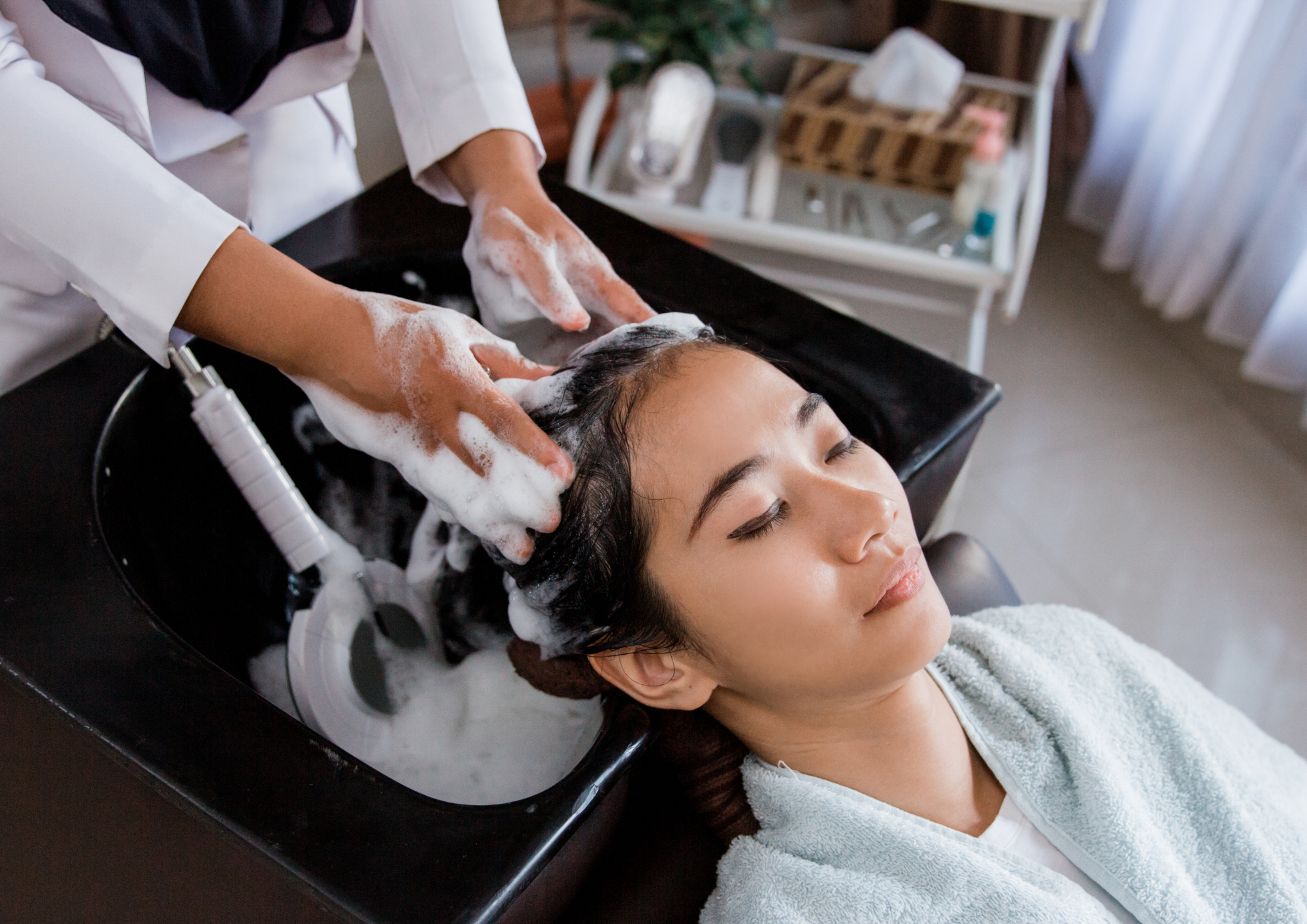
Professional hair treatments are becoming more personalized, with stylists choosing formulas and techniques based on each person’s texture, chemical history, daily routine, and current hair condition.
This customized approach represents a welcome shift in beauty innovation. Instead of treating every case of dryness, frizz, or breakage the same way, modern salon care looks at what the hair actually needs. The goal may be to reduce friction, improve manageability, support weakened strands, or create a smoother finish that requires less daily styling.
Understanding what these services can realistically accomplish makes it easier to choose the right option and maintain the results at home.
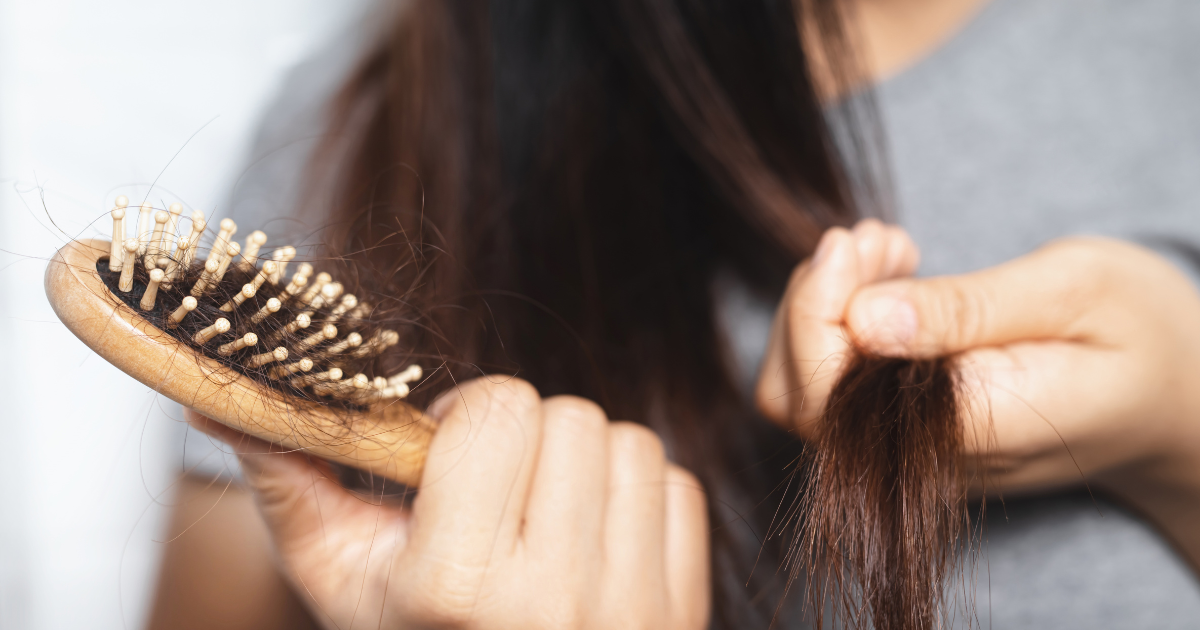
Hair may look simple from the outside, but every strand has a layered structure. Its outer cuticle consists of overlapping cells that help protect the inner portion of the fiber. When those cells lie relatively flat, hair often reflects more light and feels smoother. When the surface becomes weathered or raised, strands may feel rough, tangle easily, and lose moisture more quickly.
An overview of hair cosmetics and hair-fiber structure published through the National Library of Medicine explains how grooming, chemical processing, and environmental exposure can affect the physical properties of hair. These effects are not identical for everyone. Fine highlighted hair, dense curls, and coarse untreated hair can all respond differently to the same formula.
This is why choosing a treatment based only on a popular ingredient or a social-media video can be disappointing. Two people may both describe their hair as “dry,” while one is experiencing surface roughness from heat and the other needs better moisture retention for a naturally textured pattern.
Hair products can significantly improve softness, shine, detangling, and styling behavior. Certain formulas can also temporarily fill irregularities, coat vulnerable areas, or reduce friction between strands. However, hair outside the scalp is not living tissue, so it does not heal in the biological sense that skin does.
That distinction is useful rather than discouraging. It encourages realistic expectations and smarter maintenance. A good treatment may help weakened hair behave better and become less vulnerable to additional mechanical damage, but it cannot erase every effect of severe bleaching or permanently fuse split ends back together.
Stylists generally work with several broad treatment goals:
A customized plan may combine these goals, but more treatment is not always better. Hair that feels rigid or coated may need a different balance rather than another layer of the same product.
The most valuable beauty innovation is not always a new ingredient. Sometimes it is a better diagnostic process.
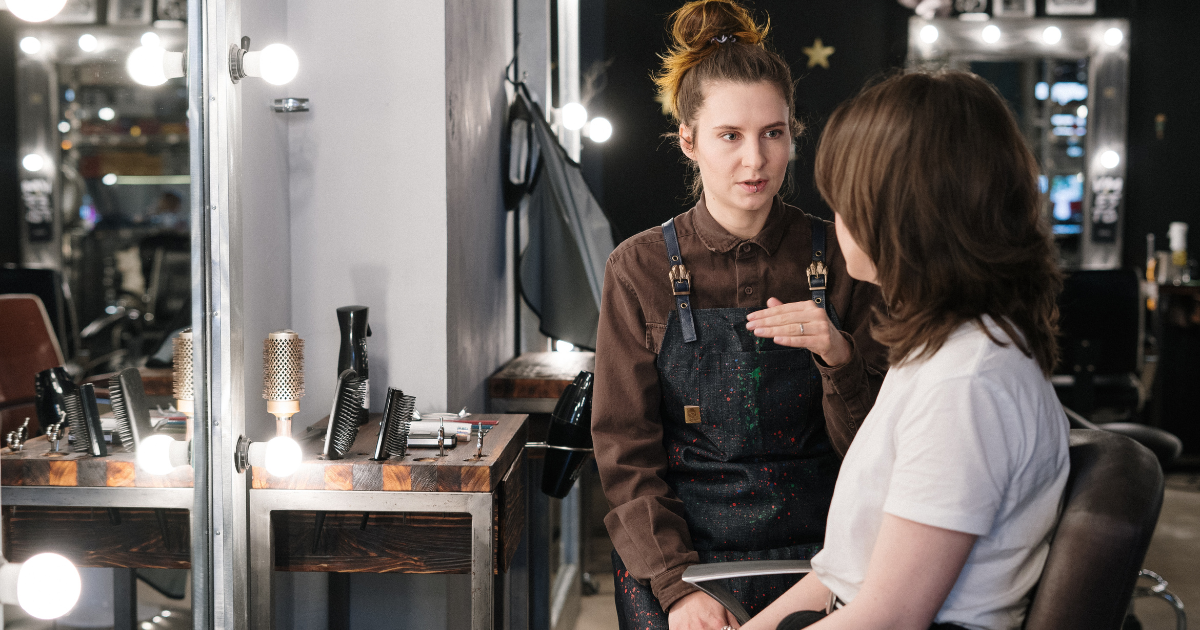
Before recommending a service, a stylist may consider the hair’s density, diameter, porosity, elasticity, previous color, heat exposure, and styling habits. Visual inspection and careful handling can reveal weak ends, uneven texture, excessive tangling, or sections that have reacted differently to past chemical work.
Useful questions include:
At Level and Tone, the treatment approach emphasizes assessing the hair’s condition and tailoring care to its texture and needs. The salon’s Jacksonville treatment menu includes keratin smoothing, with pricing determined through consultation because hair length, condition, and stylist experience can affect the service.
Conditioning services are generally intended to improve lubrication, softness, and manageability. They can be especially helpful when hair feels rough, tangles easily, or lacks flexibility. The American Academy of Dermatology’s healthy-hair guidance notes that conditioner moisturizes and detangles hair, making it easier to manage.
Results can feel dramatic, but they are not necessarily permanent. Repeated washing, environmental exposure, and styling gradually remove deposited conditioning ingredients. Consistent home care helps preserve the improvement.
Bond-focused products are often used when chemical processing has left hair more fragile. Their formulas and mechanisms vary, so “bond building” should not be treated as one universal technology. A stylist should consider what has already been applied and how the hair responds instead of assuming that every strengthening product suits every strand.
These services can be useful within a broader plan, but severely compromised ends may still require trimming. A treatment cannot restore missing material once a strand has split extensively.
Smoothing services are designed for a different goal. They may reduce frizz, alter styling behavior, and make blow-drying easier for a period of time. They are not simply heavier deep conditioners, and product chemistry can vary considerably.
Safety questions matter here. The U.S. Food and Drug Administration advises consumers to ask whether a smoothing product contains or releases formaldehyde, review its ingredient information, and confirm that the salon uses suitable ventilation. The Occupational Safety and Health Administration also provides guidance about formaldehyde exposure in salons.
Not every smoothing formula is identical, so a thoughtful consultation should cover the product being used, expected longevity, aftercare, ventilation, and whether the desired result is reduced frizz or a straighter finish.
A treatment works best when daily habits stop recreating the same stress that caused the problem. The American Academy of Dermatology’s damage-prevention recommendations emphasize gentle detangling, reduced heat exposure, conditioner use, and less pulling during styling.
A practical maintenance routine may include:
Seasonal conditions deserve attention as well. Dermatologist-reviewed guidance from the Cleveland Clinic explains that dry air, excessive heat, and rough handling can make already-fragile hair harder to manage. In sunny or swimming-heavy seasons, the AAD also recommends protective habits in its summer hair-care guidance.
Cosmetic treatments address the appearance and behavior of the hair fiber. They are not medical treatments for sudden shedding, bald patches, scalp pain, persistent scaling, or unexplained thinning. Those concerns may require evaluation by a board-certified dermatologist or another qualified healthcare professional.
It is also wise to pause before additional chemical work if strands stretch excessively when wet, snap during gentle handling, or feel severely compromised after lightening. The smartest plan may involve a trim, simplified home care, and time rather than immediately adding another intensive service.
The most promising direction in salon innovation is not a single miracle mask or viral ingredient. It is the move toward better assessment, transparent product knowledge, realistic expectations, and treatments chosen for the individual rather than the trend.
When the service matches the hair’s actual condition, the benefits extend beyond a glossy finish. Hair can become easier to detangle, quicker to style, and more manageable within a realistic routine. That combination of salon expertise and consistent home care is what turns a temporary improvement into a genuinely useful hair strategy.