Balayage Is Really a Light Map for Your Hair
Balayage Is Really a Light Map for Your Hair Balayage services can look effortless, but the most convincing results begin with a surprisingly precise plan…

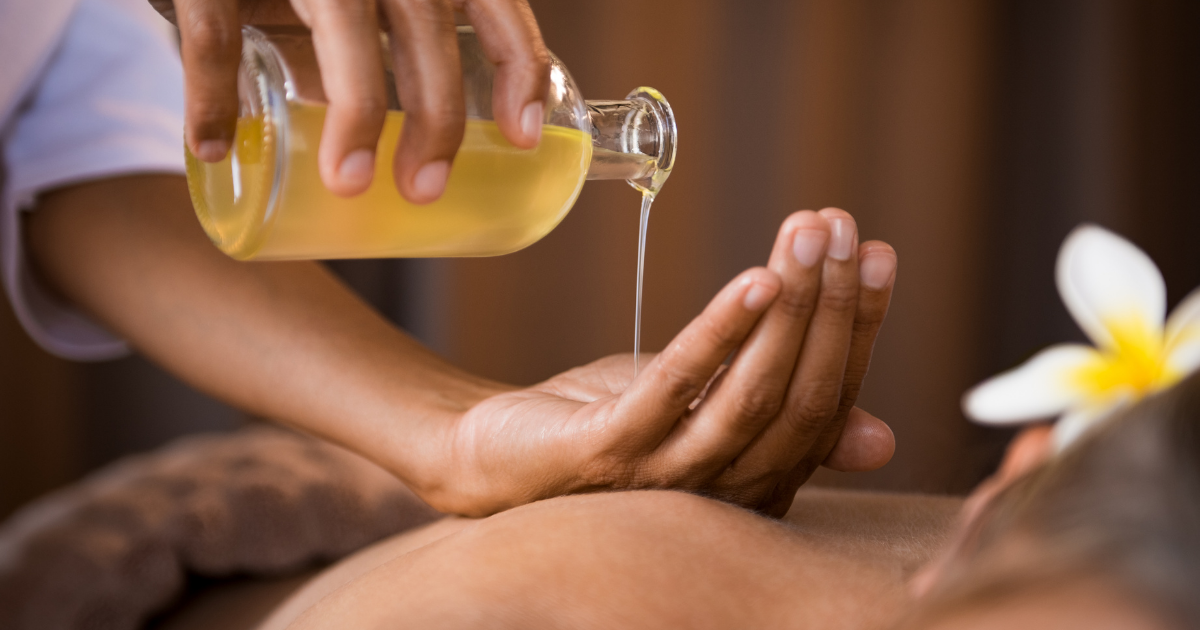
A relaxing spa massage begins with something surprisingly practical: knowing what you want to feel and being comfortable enough to say when the experience needs to change.
Massage is often presented as if the technique alone creates the result. Choose the right name from a menu, lie down, and relaxation will supposedly take care of itself. In reality, pressure tolerance, tender areas, positioning, temperature, health history, and personal boundaries all shape how the session feels.
The most modern approach is collaborative. The therapist brings professional skill, while the guest provides real-time information that no intake form can fully capture. That feedback is not an interruption. It is part of the treatment.
Relaxation is not one fixed sensation. On one day, it may mean broad, flowing work with minimal conversation. On another, it may mean giving focused attention to a tight neck while leaving a sensitive lower back alone. The same person can need a different approach from one visit to the next.
Before the session begins, choose one or two priorities:
Deep pressure is not automatically more effective, and lighter pressure is not a lesser version of massage. Different techniques work at different intensities, and the right level depends on the goal, body area, and person receiving the massage.
The Cleveland Clinic’s massage therapy guidance encourages clients to discuss what a technique should feel like and to speak up when pressure causes uncomfortable pain. That distinction matters because silently enduring an intense technique can lead to bracing rather than relaxing.
Pressure can feel substantial without crossing into distress. A useful level still allows steady breathing and a sense that the body can soften. If that changes, asking for an adjustment is the skilled choice, not a failure to tolerate the work.
Guests sometimes stay quiet because they do not want to seem demanding. Therapists, however, cannot feel what is happening from inside someone else’s body. Specific language helps them respond quickly.
Useful phrases include:
A professional massage should preserve the guest’s autonomy throughout the experience. A person can request different pressure, decline work on any body area, ask for more coverage, change position, or stop the session.
The American Massage Therapy Association describes clear boundaries, advance information, active listening, and regular check-ins as foundations of safe touch. These practices are not merely formalities. They allow the nervous, first-time, or physically sensitive guest to relax without surrendering control.
Clothing and draping preferences can be discussed before getting on the table. Only the area being worked should need to be uncovered, and a guest should never feel pressured to remove more clothing than feels comfortable. Pillows, bolsters, and side-lying positions can also make a major difference for people who cannot rest comfortably face down or flat on their back.
Even a massage chosen for relaxation involves physical contact with soft tissue, joints, and skin. A brief health history helps the therapist decide whether to modify pressure, change positioning, avoid an area, or ask the guest to consult a healthcare provider first.
The National Center for Complementary and Integrative Health notes that massage therapy generally has a low risk of harmful effects, but rare serious problems have been reported, particularly with vigorous massage or people at increased risk of injury.
Share relevant information about:
Mayo Clinic’s medical massage guidance likewise advises discussing health conditions, medicines, wounds, recent procedures, allergies, and movement limits. When there is uncertainty, clearance from the appropriate healthcare professional is more useful than guessing.
New one-sided leg or arm swelling, warmth, redness, or tenderness can be a sign of deep vein thrombosis. The Centers for Disease Control and Prevention advises prompt medical attention for possible DVT and immediate help for symptoms of pulmonary embolism, such as sudden difficulty breathing or chest pain. These are medical concerns, not tight muscles to work through.
Technique names are helpful, but they do not tell the entire story. Swedish-style work commonly uses flowing strokes and can suit guests who want a broad, soothing rhythm. Deep-tissue massage generally uses slower, more focused pressure. Thai-influenced work may include compression or assisted movement, while Shiatsu traditions use targeted pressure. Hot-stone massage adds warmth to the experience.
The NCCIH overview of massage styles notes that massage therapy includes many techniques and traditions. No label guarantees a particular intensity or result. Asking how a service is typically performed is more informative than choosing the trendiest name.
Duration matters as well. A shorter session may work well for one focused area or a straightforward relaxation goal. More time can allow broader work at a less hurried pace. The better choice depends on how many areas need attention, whether add-ons are included, and how much pressure the guest enjoys.
Hot stones, heated towels, cupping, and focused scalp or foot work can change the character of a massage. They should be chosen because they fit the guest, not because an enhancement is assumed to be universally relaxing.
Before using heat, mention reduced sensation, circulation concerns, pregnancy, skin irritation, or difficulty judging temperature. With cupping or other focused techniques, ask what the sensation and temporary skin response may be like. A clear explanation makes an unfamiliar enhancement easier to evaluate.
A massage does not need to leave the body sore to have been worthwhile. Some people feel calm or loose afterward; others notice temporary tenderness or fatigue. The response can vary with technique, intensity, recent activity, and individual sensitivity.
The next day, consider a few practical questions:
Severe or increasing pain, significant bruising, weakness, numbness, or swelling is not a marker of a successful massage. Contact an appropriate healthcare professional when a reaction is intense, unusual, or persistent.
The Grand Beauty Spa offers massage and body treatments at 2717 W. Kennedy Boulevard in Tampa. Its published menu includes 60- and 80-minute versions of The Grand Massage, which blends Swedish, Thai, and Shiatsu techniques, as well as deep-tissue, pre- and postnatal, hot-stone, and couples services. Listed enhancements include hot-stone foot work, cupping, and scalp massage.
The spa states that its massage services are performed by licensed massage therapists. Florida consumers can also review licensure information and search professional records through the Florida Board of Massage Therapy.
A varied menu becomes easier to navigate when guests begin with their desired experience, preferred pressure, areas to include or avoid, and relevant health information. Those details give the therapist something more useful than a service name alone.
The best massage is not the one with the deepest pressure, the longest list of techniques, or the most add-ons. It is the one that feels appropriate for the person receiving it.
A clear goal, honest health history, respected boundaries, and a few well-timed words can transform massage from a passive service into a responsive experience. Speaking up does not break the relaxation. It helps create it.