The Low-Maintenance Hair Revolution Is Better by Design
The Low-Maintenance Hair Revolution Is Better by Design A Hair salon can make beauty routines easier by designing cuts, color, extensions, and texture services around…
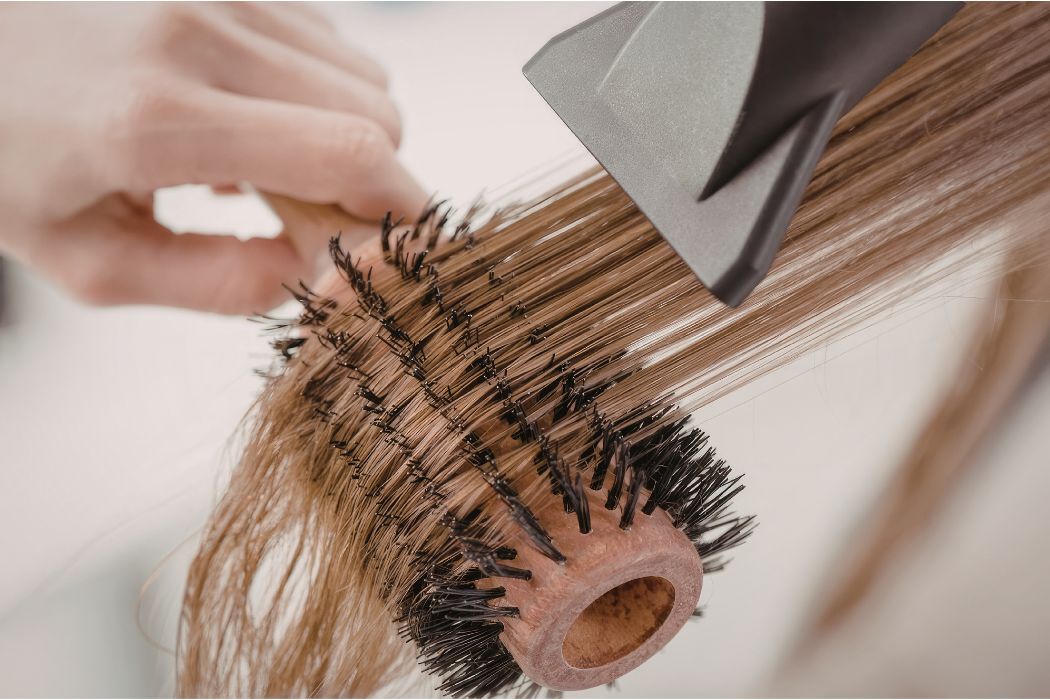
A Hair salon can turn an inspiring idea into a look designed for your texture, features, routine, and willingness to maintain it.
Beauty innovation is often associated with new products, hot tools, and techniques with catchy names. Some of those advances are genuinely useful, but the most important shift happening in salons is quieter. Hair services are becoming more personal.
Instead of applying one trend to every guest, thoughtful stylists can combine consultation, technical knowledge, visual references, and lifestyle details to create an individual hair blueprint. The result should not only photograph well on the first day. It should remain wearable when you wash, style, and live in it yourself.
Two people requesting the same haircut or color may need completely different plans. Their natural textures, densities, growth patterns, chemical histories, styling skills, and maintenance preferences may have little in common.
The hair itself is a physical material with several layers. A scientific review available through the National Library of Medicine explains the roles of the cuticle, cortex, and medulla. The cortex contributes to strength, elasticity, texture, and natural color, while the outer cuticle helps protect the fiber.
This helps explain why a stylist needs more than a photograph. Previous lightening, frequent heat, permanent color, smoothing treatments, and everyday wear can affect how the hair behaves during a new service.
Before your consultation, make a few notes about:
Honest information gives the stylist more freedom to be creative because the design can be built on a realistic foundation.
A trending haircut name is only the beginning. Layers, weight, graduation, fringe, perimeter shape, and internal movement can all be adjusted to suit the person wearing it.
Head shape and growth patterns influence how hair falls. Shoulder lines matter when choosing a length. Density can determine whether dramatic layering creates movement or removes more fullness than intended. Curl formation also affects where a section sits after drying.
A personalized haircut should account for the version of your hair you wear most often. If you usually air-dry, the stylist needs to see and understand the natural pattern. If you prefer a polished blowout, the shape should support that finish without requiring endless passes with hot tools.
The American Academy of Dermatology recommends limiting excessive heat and using low or medium settings when possible. A well-planned cut can support that goal by making daily styling more efficient.
Personalized color is less about selecting one shade from a chart and more about deciding where brightness, depth, warmth, or contrast should appear.
A stylist may evaluate the hairline, part, face-framing sections, interior, natural base, mids, and ends separately. Balayage, highlights, lowlights, root color, and glossing can then be combined to create a particular effect.
This zoned approach can also improve the maintenance plan. Someone who wants a softer grow-out may need different placement from a guest who enjoys frequent, high-impact color appointments.
Bring several photographs, but explain what you like in each one. You may love the brightness of one look, the placement of another, and the overall softness of a third.
Also identify what you do not want. Words such as warm, cool, dimensional, natural, and bold are interpreted differently by different people. Visual boundaries reduce confusion.
Always disclose earlier reactions to color products. The U.S. Food and Drug Administration provides guidance about hair dyes and possible sensitivity reactions. A person can develop sensitivity even after using color previously without a problem.
“Change my texture” is not one goal. A guest may want softer frizz, faster blow-drying, more wave, less curl, increased body, or permanently straighter hair. These outcomes can involve very different services.
Before selecting a waving, keratin, smoothing, or straightening process, ask:
Product transparency matters. The Occupational Safety and Health Administration reports that some smoothing products may contain or release formaldehyde, including products marketed with misleading labeling. A stylist should be able to identify the product being used and explain its intended result, process, and aftercare.
Extensions are no longer reserved for dramatic, waist-length transformations. They can be used strategically to add fullness through the sides, support a particular haircut, introduce color without lightening every section, or create moderate length.
The appropriate method depends on natural density, texture, scalp comfort, desired effect, and maintenance habits. Tape-in, hand-tied, keratin-bond, and removable halo options do not create identical experiences.
A responsible extension plan includes installation, blending, washing, brushing, adjustment, and removal. Comfort should remain part of the evaluation. The American Academy of Dermatology advises that extensions should not cause pain or headaches and recommends taking precautions to reduce tension-related damage.
If attachments feel painfully tight or the scalp develops persistent irritation, waiting until the next routine visit is not the right response. Contact the salon so the installation can be assessed.
The most experienced stylist in a building is not automatically the ideal match for every guest. Different professionals may specialize in curls, precision shapes, dimensional blonding, creative color, extensions, smoothing, or low-maintenance transformations.
Personality and communication style matter too. One guest may want detailed explanations throughout the service. Another may prefer a quiet visit after agreeing on the plan.
A useful matching process should consider:
In Virginia, consumers can also use the Department of Professional and Occupational Regulation’s license lookup to review available professional licensing information.
Innovation can also happen after the cape comes off. Hair services generate materials such as cut hair, color residue, foils, packaging, plastics, and gloves. Thoughtful waste systems can help salons manage those materials more deliberately.
The Environmental Protection Agency’s waste-management hierarchy prioritizes source reduction and reuse, followed by recycling and composting where appropriate.
For clients who care about environmental practices, useful questions include what the salon recycles, how product waste is handled, whether refill or concentrated options are available, and how environmental claims are measured. Specific practices provide more information than a vague “green beauty” label.
amp Studios in Leesburg, Virginia, offers haircuts, custom color, balayage, highlights, texture services, extensions, treatments, and bridal styling. Its public service information emphasizes consultation, collaboration, continuous education, and tailoring a look to the guest’s hair and lifestyle.
The salon also offers a stylist-matching quiz intended to connect guests with an artist whose expertise and creative approach align with their goals. Its extension menu includes tape-in, hand-tied, keratin-bond, and halo methods, while its haircut services describe an approach that considers head shape and surrounding lines when developing the final form.
amp Studios also identifies itself as a Green Circle certified salon and says it recycles approximately 90 percent of its salon waste. Together, these features show how innovation can extend beyond a single product or technique. It can influence the match, consultation, design, maintenance plan, and environmental footprint of the visit.
The final style is only one part of a successful service. Before leaving, ask for a simple plan covering the next several weeks.
The future of salon beauty is not a machine that selects the same fashionable look for everyone. It is a more intelligent partnership between technical skill and personal information. When the cut, color, texture, extensions, and home routine are designed together, innovation becomes something much more valuable than hype. It becomes hair that makes sense in real life.