Hair removal is no longer limited to one technique or a one-size-fits-all appointment. Modern salon and spa services include traditional waxing and sugaring, with options designed for different areas of the face and body. The right choice depends on your skin, hair texture, comfort preferences, and beauty routine.
If you are considering professional hair removal for the first time—or deciding whether to switch methods—understanding the process can make the experience more comfortable and the results more satisfying.
Why Professional Hair Removal Is Trending
Shaving is quick, accessible, and familiar, but its results are temporary because the hair is cut at the skin’s surface. Many people notice regrowth or stubble within a few days. Frequent shaving can also contribute to irritation, especially in areas where clothing creates friction.
Waxing and sugaring remove hair from the root. Because the complete hair is removed rather than trimmed, the skin generally stays smoother longer than it does after shaving. Regrowth timing varies according to the treatment area and the individual hair-growth cycle.
Professional services also eliminate some of the guesswork. An experienced provider can assess the area, select an appropriate technique, maintain sanitary practices, and explain how to care for the skin afterward.
Waxing and Sugaring Are Not the Same
Both waxing and sugaring remove hair from the root, but they use different products and application techniques.
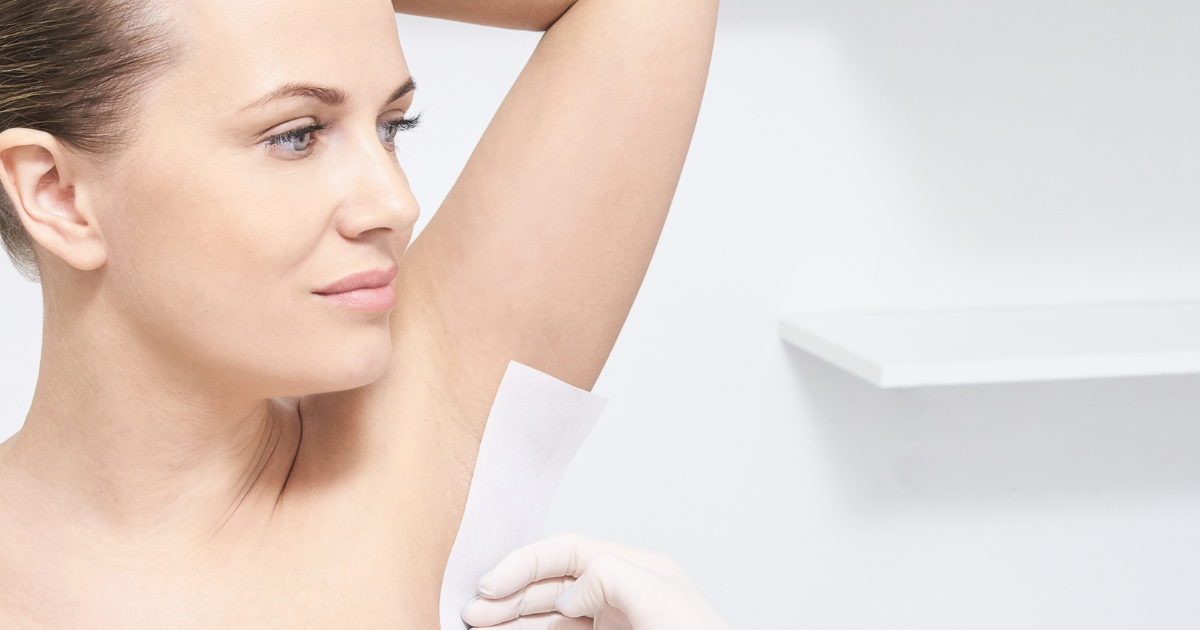
During waxing, a warm or soft wax is commonly applied in the direction of hair growth and removed in the opposite direction. Depending on the product and treatment area, the provider may use a cloth strip or a stripless hard wax.
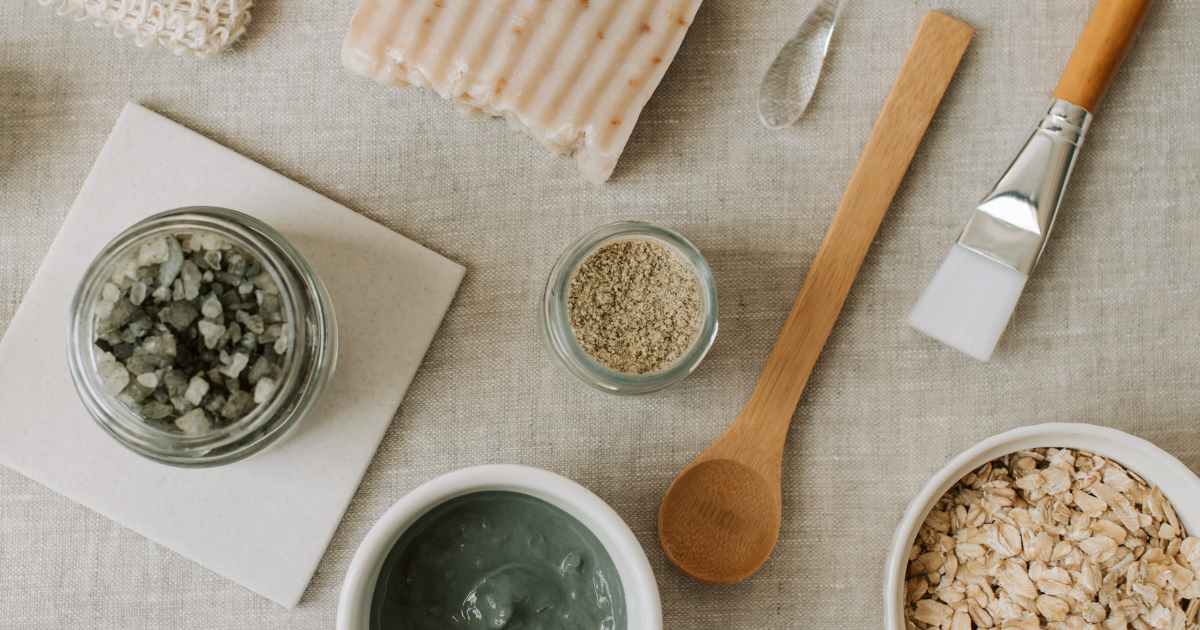
Sugaring generally uses a pliable paste made from ingredients such as sugar, water, and lemon. The paste is applied against the direction of hair growth and removed in the direction the hair naturally grows.
The Cleveland Clinic’s guide to sugaring explains that the sugar mixture does not adhere to the skin in the same way as conventional wax. Some clients therefore find sugaring gentler, although comfort and skin response vary from person to person.
Sugaring is not automatically painless, and waxing is not automatically too harsh. Technique, skin condition, treatment area, hair texture, and provider experience all influence the appointment.
Which Hair Removal Method Should You Choose?
The best method is the one that works well with your skin and fits your maintenance preferences. A consultation can help you compare the options without relying on beauty trends alone.
Sugaring may appeal to someone who:
- Prefers a water-soluble hair-removal product
- Has experienced discomfort with traditional waxing
- Wants hair removed in its natural growth direction
- Is interested in an alternative for facial or body hair
Waxing may appeal to someone who:
- Already receives waxing with consistently good results
- Wants an efficient service for a larger body area
- Needs a treatment available for many facial and body areas
- Prefers a familiar and established removal method
People with highly reactive skin, active irritation, or a history of difficult reactions should discuss those concerns before treatment. No cosmetic method is ideal for every person or every area.
Services Can Be Customized by Treatment Area
Professional hair removal can address small facial areas or larger sections of the body. Facial waxing often focuses on the brows, upper lip, chin, ears, or full face. Body services may include the underarms, arms, legs, back, chest, shoulders, or bikini area.
The technique may change based on the treatment location. Facial skin can be more sensitive, while coarse body hair may require a different approach. Hair may also grow in several directions, so careful application and removal matter.
Bikini services are available in different levels of coverage. A basic bikini wax generally removes hair outside a traditional underwear line. A French bikini service removes more hair, while a Brazilian involves more extensive removal. Terminology can differ between spas, so confirm what is included before your appointment.
A professional should clearly explain the service and respect your comfort and boundaries throughout the process.
Preparing for Your Appointment
Good preparation supports a smoother appointment. Hair needs enough length for wax or sugar paste to grip it effectively. If the hair is too short, the provider may not be able to remove it evenly.
Before your service:
- Allow the hair to grow instead of shaving immediately beforehand.
- Avoid tanning and do not arrive with sunburned skin.
- Gently cleanse the area without aggressive scrubbing.
- Wear loose, comfortable clothing for body services.
- Disclose allergies, skin conditions, and previous reactions.
- Tell your provider about prescription and over-the-counter skincare products.
Retinoids require particular attention. These products can make the skin more vulnerable to lifting or irritation during facial waxing. The American Academy of Dermatology advises avoiding facial waxing while using retinoid creams for a specified period and warns against waxing sunburned or highly sensitive skin.
Do not stop a prescription medication without instructions from the prescribing clinician. Instead, tell your hair-removal provider what you use so they can determine whether the service should be modified or postponed.
What to Expect During the Service
Your appointment should begin with a brief discussion about the area being treated, your previous hair-removal experiences, and any relevant skin concerns. The provider will cleanse and prepare the skin before applying wax or sugar paste.
You may feel a quick pulling or stinging sensation as the hair is removed. Sensitivity varies by treatment area and can also change with stress, hormones, hair density, and the timing of previous appointments.
Communicate during the service. A professional provider should be willing to pause, adjust positioning, or explain the next step. Hair removal may be uncomfortable, but it should not involve burning heat or unexplained severe pain.
Temporary redness is common. The skin may also feel warm or tender immediately afterward. These reactions should gradually settle rather than become increasingly painful.
Aftercare Protects Freshly Treated Skin
Freshly waxed or sugared skin needs a little breathing room. Friction, heat, sweat, and heavily fragranced products can increase discomfort after an appointment.
For the period recommended by your provider:
- Avoid hot baths, saunas, and steam rooms.
- Postpone intense workouts that cause heavy sweating.
- Wear loose clothing over treated body areas.
- Keep hands away from freshly treated skin.
- Avoid fragranced lotions and harsh active ingredients.
- Limit direct sun exposure and use appropriate sun protection.
Do not apply an aggressive scrub immediately after treatment. Once the skin has settled, gentle exfoliation may help reduce buildup around the follicles, but the timing and product should suit your skin.
How to Reduce the Risk of Ingrown Hairs
An ingrown hair develops when a growing strand curves back into the skin or becomes trapped beneath the surface. Anyone can experience one, but coarse or curly hair may be more prone to this problem.
Consistent, gentle care is more helpful than picking at bumps. Keep the area clean, avoid squeezing, and minimize unnecessary friction. When your provider says it is appropriate, a mild exfoliating routine may help keep dead surface cells from accumulating.
Seek medical guidance if a bump becomes increasingly painful, swollen, warm, or filled with pus. Persistent or widespread irritation may require evaluation by a dermatologist rather than another salon treatment.
Consistency Can Make Appointments Easier
Hair grows in cycles, which means not every strand reaches the same stage at the same time. A single service can create smooth results, but new hair may appear as other follicles enter an active growth phase.
Following a regular schedule can make regrowth feel more predictable. Avoid shaving between appointments if you want to maintain a waxing or sugaring routine, since shaving cuts the hair at the surface and disrupts the schedule you are establishing.
Your ideal appointment frequency will depend on the treatment area, natural growth rate, and personal preference. Ask your provider when to return rather than following a universal timetable.
Hair Removal at Posh Salon and Spa
Posh Salon and Spa is a locally owned salon and spa serving Lexington and surrounding Central Kentucky communities. Its confirmed hair-removal menu includes sugaring and waxing for multiple facial and body areas.
Available waxing services include the brows, chin, lip, ears, full face, underarms, arms, bikini area, legs, back, chest, and shoulders. Bikini, French bikini, and Brazilian options allow guests to select the amount of removal that fits their preferences.
The company operates two Lexington locations, but its Richmond Road location provides the complete salon and spa experience. Guests should confirm the correct location and provider when scheduling a hair-removal appointment.
A Smarter Approach to Smooth Skin
Modern hair removal is less about chasing perfectly hairless skin and more about choosing a routine that makes you feel comfortable and confident. Waxing and sugaring can both provide longer-lasting smoothness than shaving when the service is appropriate for your skin.
The best results come from thoughtful preparation, professional technique, realistic expectations, and careful aftercare. Once you understand how your skin responds, you can build a schedule that feels manageable instead of treating hair removal as a last-minute beauty emergency.