Modern facials and skincare in Belton, TX can combine customized cleansing, exfoliation, plant-based products, facial massage, red light therapy, and other techniques to create an experience tailored to the skin rather than built around a generic routine.
Facials have changed. The familiar cleanse-mask-moisturize formula still has value, but today’s treatment rooms may also include LED devices, peel alternatives, lymphatic techniques, gua sha tools, and products chosen for a client’s immediate skin concerns.
That does not mean every facial needs several upgrades or the newest device. Innovation works best when it serves a clear purpose. The treatment should match the person’s skin, goals, sensitivities, and tolerance—not simply include as many trending steps as possible.
Customization Is the Most Important Innovation
Skin can change with the weather, hormones, stress, travel, medication, sun exposure, and home-care products. A facial that felt perfect six months ago may not be the best choice today.
A professional consultation allows the esthetician to ask about:
- Dryness, oiliness, congestion, or sensitivity
- Current prescriptions and topical medications
- Retinoids, exfoliating acids, and acne products
- Recent peels, lasers, waxing, or injectable treatments
- Pregnancy or nursing
- Allergies and previous reactions
- Upcoming events and acceptable downtime
- Daily sun exposure and sunscreen habits
These details help determine whether the appointment should focus on hydration, relaxation, gentle exfoliation, radiance, or another realistic goal.
Customization also means knowing when to simplify. Skin that is irritated or over-exfoliated may benefit more from a gentle, barrier-supportive facial than from an aggressive peel or a long menu of active ingredients.
Plant-Based Skincare Can Still Be Performance-Focused
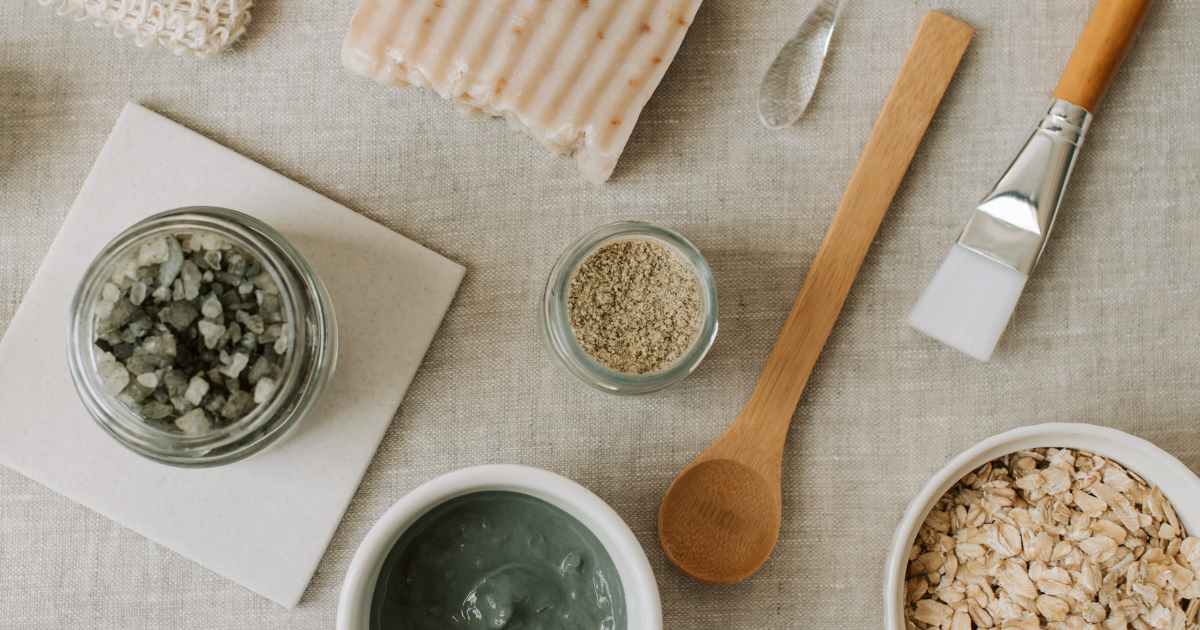
Plant-powered skincare is often associated with soothing aromas and a spa-like experience. However, botanical ingredients can also be incorporated into structured professional treatments.
Aveda-inspired facials frequently combine plant-based formulas with cleansing, exfoliation, hydration, massage, and sensory rituals. The result is a treatment designed to support both the appearance of the skin and the relaxation experience.
“Plant-based” does not automatically mean suitable for every person. Botanical extracts and essential oils can still cause sensitivities. Clients should mention known allergies and speak up if a product causes burning, itching, or unusual discomfort.
The U.S. Food and Drug Administration explains that cosmetic ingredients, including fragrances and plant-derived components, may trigger allergic reactions in some individuals. Ingredient awareness remains important even when products are marketed as natural.
How Professional Exfoliation Refreshes the Skin
Exfoliation removes accumulated surface cells that can make the complexion appear dull or uneven. It may also help other facial products spread more evenly across the skin.
Professional facial exfoliation can involve enzymes, acids, physical techniques, or a combination selected according to the client’s skin. Stronger is not always better. The appropriate intensity depends on the treatment goal and the skin’s ability to recover.
A plant-based peel facial may provide a more controlled exfoliating experience than experimenting with high-strength products at home. Professional application also allows the provider to observe the skin and adjust the treatment when necessary.
The American Academy of Dermatology notes that chemical peels may improve concerns such as uneven color, dullness, rough texture, certain forms of acne, and visible signs of aging. It also warns against using powerful at-home peels without appropriate professional supervision.
Signs that your routine may already be too aggressive
- Products that suddenly sting when applied
- Persistent redness or tightness
- Flaking that continues despite moisturizing
- Increased sensitivity to heat or sunlight
- A shiny but uncomfortable surface
- Frequent use of multiple exfoliating products
If these signs appear, disclose your complete routine before receiving another exfoliating treatment.
Red Light Therapy Brings Technology Into the Facial Room
Red light therapy, also called photobiomodulation, uses specific wavelengths of visible light. Unlike ultraviolet light, it does not work by tanning or intentionally damaging the skin.
Interest in red light has grown because it offers a noninvasive treatment experience and can be incorporated into certain professional facials. A published randomized controlled trial available through PubMed found reductions in periocular wrinkle volume following a series of red and amber light treatments, although the study did not find improvements in every measured outcome.
Other laboratory and clinical research continues to investigate how particular wavelengths, energy levels, and treatment schedules affect the skin. This matters because “red light” is not one universal treatment. Results can depend on the device, wavelength, dose, distance, duration, and frequency.
Red light is included in Shelley’s Radiance Renewal Facial and is also available as an enhancement. The treatment should still be chosen according to individual suitability and expectations.
The American Academy of Dermatology’s cosmetic-safety resources encourage consumers to ask questions about cosmetic treatments and understand potential risks. Clients should disclose light-sensitive conditions and medications before an LED service.
Gua Sha Adds a Hands-On Approach
Gua sha has become a popular part of facial rituals, but the technique is not simply about scraping the face as firmly as possible. In a professional facial, a smooth tool is used with appropriate slip and controlled movements.
The technique may create a temporary sculpted appearance by supporting massage, circulation, and the movement of surface fluid. Many clients also enjoy the slow, relaxing rhythm.
Gua sha should not be painful or produce aggressive bruising during an ordinary cosmetic facial. Pressure should be adjusted for sensitive skin, active breakouts, rosacea, recent procedures, or other concerns.
It is best understood as a supportive massage technique rather than a permanent way to alter facial structure. A Gua Sha Glow Facial can create a refreshed appearance, but it cannot permanently reshape bone, erase deep wrinkles, or replace medical treatment.
Lymphatic Techniques Can Support the Facial Experience
Gentle lymphatic-style movements are often incorporated into facials to support relaxation and temporarily reduce the appearance of puffiness. These techniques typically use lighter pressure than a deep facial massage.
The face may look more defined immediately afterward because temporary fluid accumulation has shifted. Results naturally vary, and this should not be confused with permanent fat loss or structural facial contouring.
Clients with diagnosed lymphatic disorders, active infections, recent surgery, or significant medical conditions should ask their healthcare provider whether this type of massage is appropriate.
Longer Facials Are About More Than Extra Steps
A 90-minute facial does not necessarily need stronger products than a 60-minute service. The additional time may instead create room for a more detailed consultation, careful product application, facial massage, a foot soak, scalp massage, or other relaxation-focused elements.
For someone who wants both skincare and a genuine break from a demanding schedule, a longer service can feel less rushed. Someone primarily interested in maintaining the complexion may prefer a focused 60-minute appointment.
The best choice depends on the desired experience:
- Results-focused: Prioritize the specific skin concern and appropriate treatment.
- Relaxation-focused: Choose a service with massage and sensory rituals.
- Time-conscious: Select a streamlined facial without unnecessary enhancements.
- Maintenance-focused: Create a repeatable schedule and consistent home routine.
Sun Protection Is Nonnegotiable After Exfoliation
Freshly exfoliated skin may be more vulnerable to irritation and sun exposure. Daily protection is important after professional treatments and as part of an ordinary skincare routine.
The FDA recommends broad-spectrum sunscreen with an SPF of at least 15, along with shade, protective clothing, and other sun-safe practices. Many skincare professionals recommend a higher SPF depending on the client and treatment.
Follow the esthetician’s instructions about when to resume retinoids, acids, scrubs, or other active products. Avoid trying an unfamiliar exfoliant immediately after a peel simply because the skin initially feels smooth.
A Consistent Routine Matters More Than One Facial
A facial can make the complexion feel softer, more hydrated, and refreshed, but long-term skincare depends on what happens between appointments.
A manageable routine generally includes:
- A gentle cleanser suited to the skin
- A moisturizer that supports comfortable hydration
- Daily broad-spectrum sunscreen
- Targeted products selected for specific concerns
- Professional treatments scheduled at an appropriate frequency
The American Academy of Dermatology provides guidance on cleansing, moisturizing, sun protection, and selecting products without unnecessarily irritating the skin.
Adding every popular ingredient at once makes it difficult to know what is helping or causing a reaction. Introduce products gradually and follow the directions provided by your esthetician, dermatologist, or healthcare professional.
Facials Available at Shelley’s Hair, Body & Skin
Shelley’s Hair, Body & Skin provides customized facial services from its salon and spa in Belton. The confirmed facial menu includes the Aveda Plant Peel Facial, Platinum Facial, Inner Peace Facial, Radiance Renewal Facial, Gua Sha Glow Facial, and Tulasāra Facial.
Available enhancements include red light therapy and gua sha massage. The salon also offers separate customizable HydraFacial treatments, including standard, Deluxe, and Platinum options.
Each facial serves a different purpose. The Plant Peel focuses on professional exfoliation, while the Radiance Renewal Facial incorporates red light technology. The Gua Sha Glow Facial emphasizes facial massage, and the longer Inner Peace Facial combines customized skincare with relaxation-focused body rituals.
The Future of Facials Is Thoughtful, Not Excessive
The most exciting development in professional skincare is not one device or ingredient. It is the ability to combine traditional touch, plant-based formulas, and carefully selected technology within a treatment tailored to the person receiving it.
A modern facial should not feel like a contest to see how many trends can fit into one appointment. It should begin with a consultation, use techniques that serve a clear purpose, and end with realistic aftercare.
When customization guides the process, innovation becomes more than a beauty buzzword. It becomes a practical way to create a facial that feels current, comfortable, and genuinely relevant to your skin.