Why the Smartest Beauty Experiences Feel Effortless
A Hair salon can offer far more than a quick cut when personalized planning, creative techniques, wellness services, and thoughtful hospitality come together.
Beauty innovation is often associated with new products or high-tech equipment. Yet some of the most useful changes are less flashy. Virtual consultations, stylist matching, customized color plans, strategic extensions, and coordinated salon and spa services can all make the experience easier to navigate.
The best innovations do not add complexity for the guest. They remove guesswork while helping professionals create results that suit the person’s hair, routine, comfort, and long-term goals.
Personalization Begins Before the Salon Visit
Choosing a service from an online menu can be surprisingly difficult. Should a guest select highlights, balayage, an all-over color, a treatment, or a combination? Is an extension consultation necessary? Which stylist specializes in the desired look?
A virtual consultation can help answer these questions before the guest reaches the chair. Photos, hair history, inspiration images, and lifestyle details give the salon an early understanding of the project. A stylist-matching system can then connect the guest with a professional whose interests and experience align with the request.
Useful information to share includes:
- Natural texture and current hair length
- Professional and at-home color history
- Previous lightening, smoothing, or extension services
- Typical washing and styling routine
- Desired result and acceptable alternatives
- Preferred maintenance schedule
- Scalp sensitivities or previous product reactions
A virtual conversation does not replace an in-person assessment. Lighting can alter color, photographs do not reveal everything about hair condition, and inspiration images may include filters or extensions. It does, however, create a more informed starting point.
Modern Color Is Designed Around the Grow-Out
The most exciting color innovations are not always the boldest. Many guests now want dimension that remains attractive as the hair grows, rather than a result that feels overdue after a few weeks.
Balayage, blended highlights, root shadows, lowlights, and strategic face-framing pieces can create different levels of contrast. The right choice depends on the starting color, haircut, texture, density, and willingness to return for maintenance.
Ask about the future version of the color
A good consultation should explore how the color will look immediately, after several washes, and as new growth appears. Helpful questions include:
- How will this tone change between visits?
- Will I need glosses, root services, or additional lightening?
- Can we preserve natural depth for a softer grow-out?
- What products or habits may cause premature fading?
- Would a staged transformation be more appropriate?
Hair condition should remain part of the design. The American Academy of Dermatology explains that excessive heat and repeated tension can contribute to breakage and hair loss. A color plan should account for the heat styling and daily manipulation the hair already experiences.
Product safety matters too. The U.S. Food and Drug Administration recommends following hair-dye warnings and completing the instructed skin test before each use, since a reaction can occur even after previous uneventful coloring.
Extensions Are Becoming a Creative Design Tool
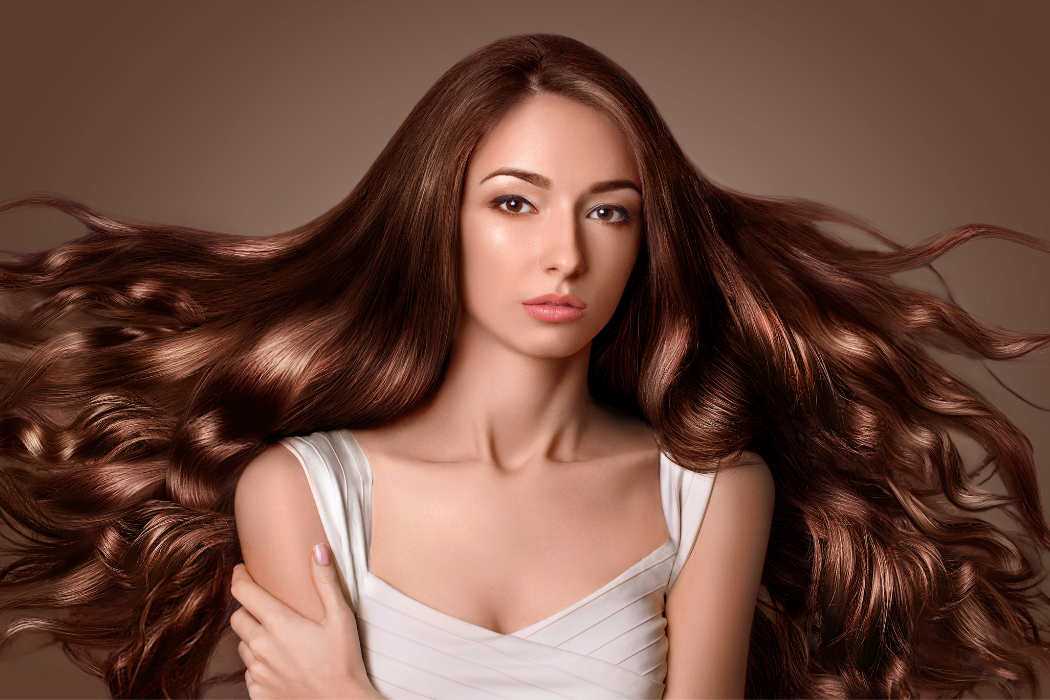
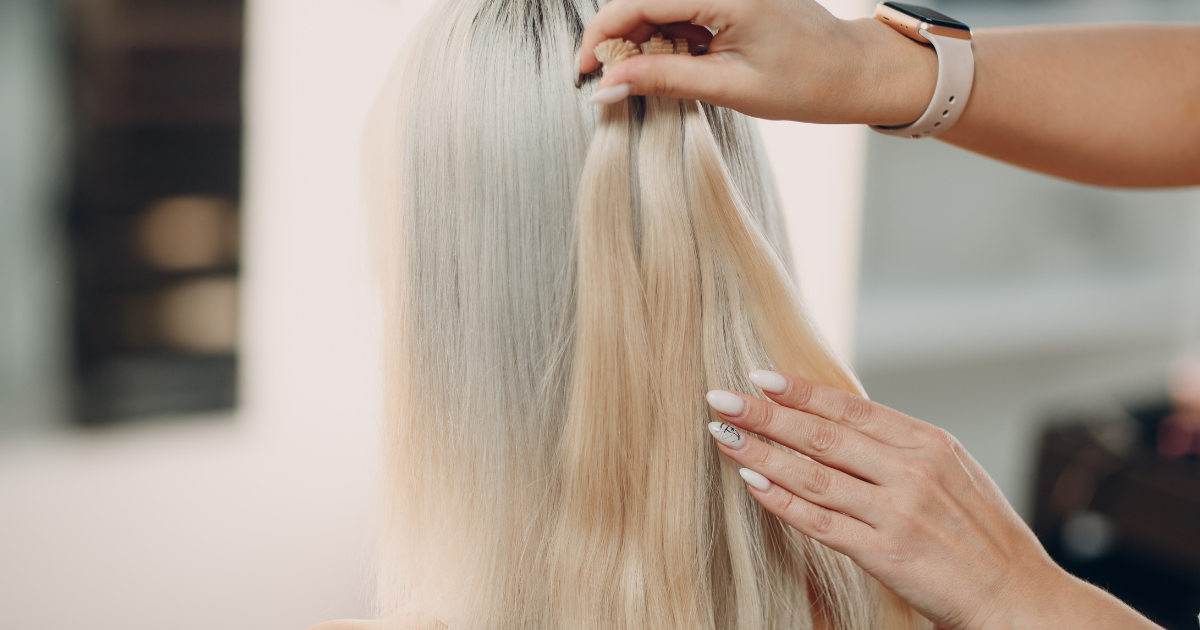
Extensions are often associated with dramatic length, but that is only one possibility. Thoughtful placement can add density around the sides, support a fuller-looking perimeter, introduce temporary color, or help a haircut hold a particular shape.
The consultation should begin with the purpose of the extensions. Someone seeking volume may need a different amount, placement pattern, and maintenance plan from someone pursuing waist-length hair.
Before choosing a method, discuss:
- The condition and density of the natural hair
- How the extensions will be attached and removed
- Expected maintenance frequency
- Washing, brushing, sleeping, and heat-styling instructions
- Whether the bonds or attachments will remain hidden
- The full cost of hair, installation, maintenance, and removal
Comfort is not optional. The American Academy of Dermatology warns that extensions can contribute to breakage and traction-related hair loss when they pull too tightly. Persistent pain, headaches, sores, or excessive tension should be addressed promptly.
Customized Treatments Need a Clear Purpose
Salon treatments sound appealing, but vague promises such as “repair,” “detox,” or “rejuvenate” do not tell a guest what a product can realistically accomplish.
A useful treatment recommendation identifies the immediate goal. That might include improving manageability, adding moisture, reducing the appearance of surface damage, supporting softness, or preparing the hair for styling.
Ask three simple questions:
- What concern is this treatment addressing?
- How long should the cosmetic effect last?
- What should I do at home to maintain the result?
Cosmetic treatments can improve how hair feels and behaves, but they cannot diagnose unexplained shedding, scalp disease, or sudden hair loss. Those concerns belong with a qualified healthcare professional.
Smoothing services also deserve product-specific questions. The Occupational Safety and Health Administration provides guidance about formaldehyde exposure associated with certain salon hair products. Guests can ask which formula will be used, whether it releases formaldehyde when heated, and what ventilation or handling precautions apply.
The Beauty Day Is Becoming More Connected
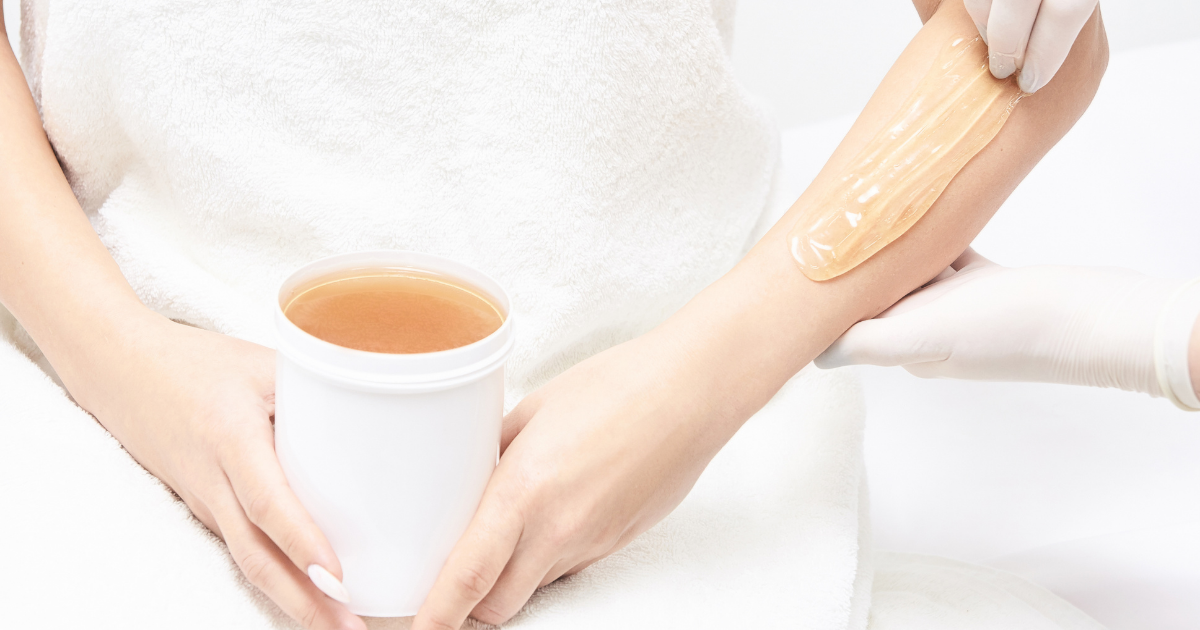
Another innovation is the shift from isolated services to coordinated self-care. Hair, skincare, nails, and massage can be planned in one location, reducing the effort involved in managing several businesses.
This is especially useful before a wedding, trip, professional event, or seasonal refresh. However, stacking services requires more planning than simply reserving every open time slot.
Consider the order of treatments. A massage may be more enjoyable after a lengthy color service, while fresh nails should be protected from activities that could chip or smudge them. Certain skincare treatments may have preparation or aftercare requirements that affect waxing, makeup, sun exposure, or exercise.
Hygiene remains essential even in a beautiful setting. The Centers for Disease Control and Prevention recommends cleaning shared nail-grooming tools and avoiding unnecessary cuticle cutting because cuticles help protect against infection.
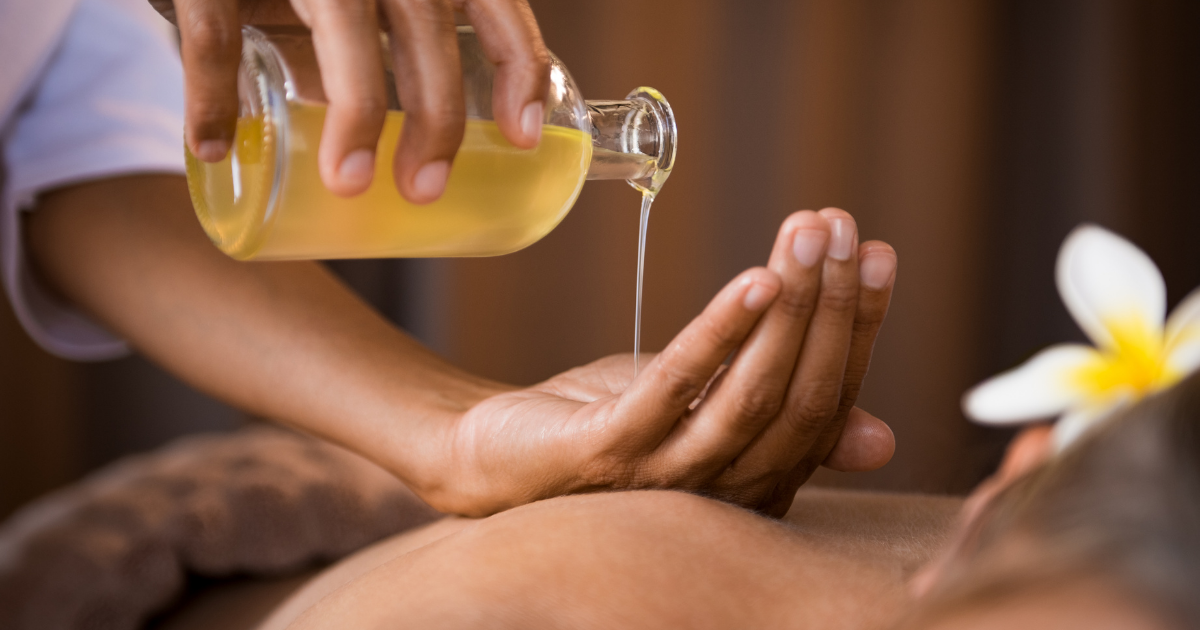
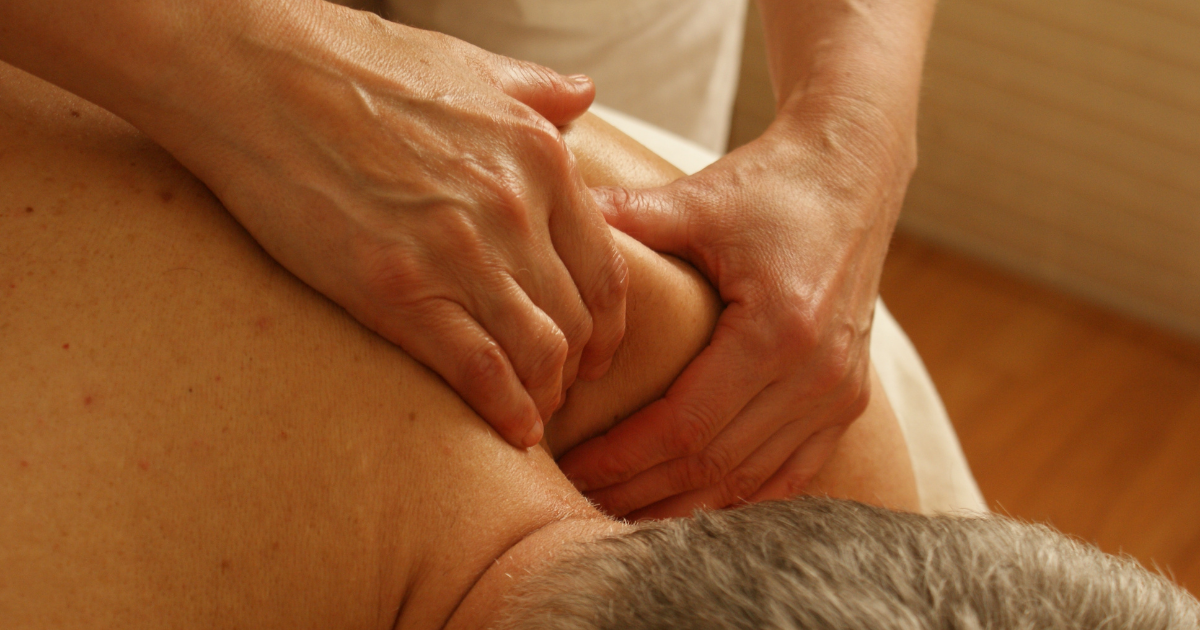
Massage can add a restorative element, but guests should share relevant health information. The National Center for Complementary and Integrative Health advises consumers to discuss medical conditions and make sure massage is not used to delay appropriate healthcare.
Hospitality Can Change How Time Feels
Long color and extension services require patience. Comfortable seating, clear updates, refreshments, and a welcoming atmosphere can make that time feel intentional rather than inconvenient.
A wine bar brings a social, celebratory dimension to the experience, but alcohol should always remain optional. Water, coffee, sparkling water, and nonalcoholic choices help hospitality feel inclusive.
Guests who drink may also want to understand serving sizes. The National Institute on Alcohol Abuse and Alcoholism explains what constitutes a standard drink and notes that cocktails or generous pours may contain more alcohol than expected. Anyone who is driving, pregnant, taking an interacting medication, or avoiding alcohol should select a nonalcoholic option.
The drink is an extra. The real luxury remains skilled service, respectful communication, and results that work outside the salon.
A Cincinnati Example of Beauty Innovation
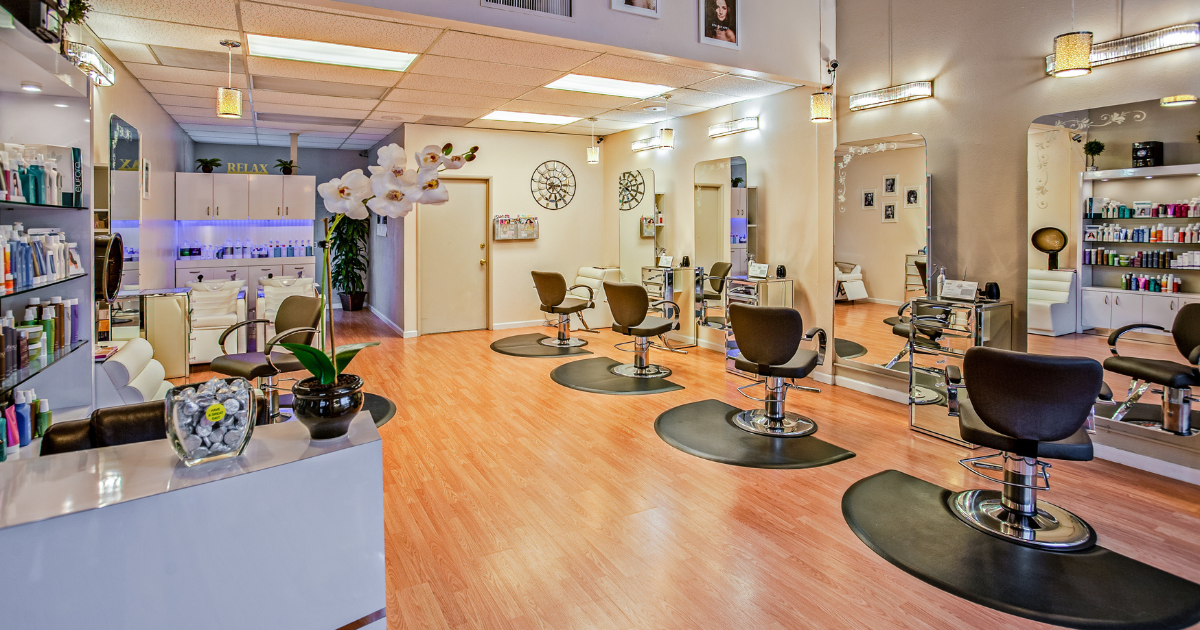
W Salon Spa & Wine Bar in Cincinnati brings several of these ideas into one setting. Its published offerings include precision haircuts, custom color, highlights, balayage, hair extensions, hair treatments, Hydrafacial services, skincare, waxing, massage therapy, manicures, and pedicures.
The salon offers virtual consultations for new hair guests and a stylist-matching option designed to connect people with professionals who suit their goals. It also describes a dedicated hair-extension department with advanced training in extension methods and blending.
The wine bar adds a hospitality component, while the broad salon and spa menu lets guests coordinate multiple services. Current availability, service suitability, timing, pricing, beverage options, and preparation requirements should be confirmed directly with the business.
Consumers who want to research professional credentials can use the Ohio eLicense verification portal for the Cosmetology and Barber Board.
Build a Smarter Beauty Plan
- Define the real goal. Decide whether you want a dramatic change, easier maintenance, more density, healthier-looking hair, or time to unwind.
- Complete the consultation honestly. Previous color and chemical history can change what is realistic.
- Ask why each service is recommended. Every technique or treatment should serve a recognizable purpose.
- Plan beyond the first day. Consider grow-out, home care, extension maintenance, and future salon visits.
- Protect comfort and safety. Speak up about pulling, burning, irritation, breathing discomfort, or unexpected pain.
- Coordinate multiple services carefully. Confirm their order, total duration, preparation needs, and aftercare.
- Keep hospitality optional. Choose the refreshments and level of conversation that make the visit comfortable for you.
The Best Innovation Feels Personal
The future of beauty is not about filling every visit with more products, devices, or services. It is about using better information to create a simpler and more relevant experience.
When consultations, customized techniques, wellness services, safety practices, and hospitality support one another, the result feels effortless. That is the kind of innovation worth getting excited about: beauty designed around a real person and the life they actually live.