The New Rules of Low-Maintenance Hair
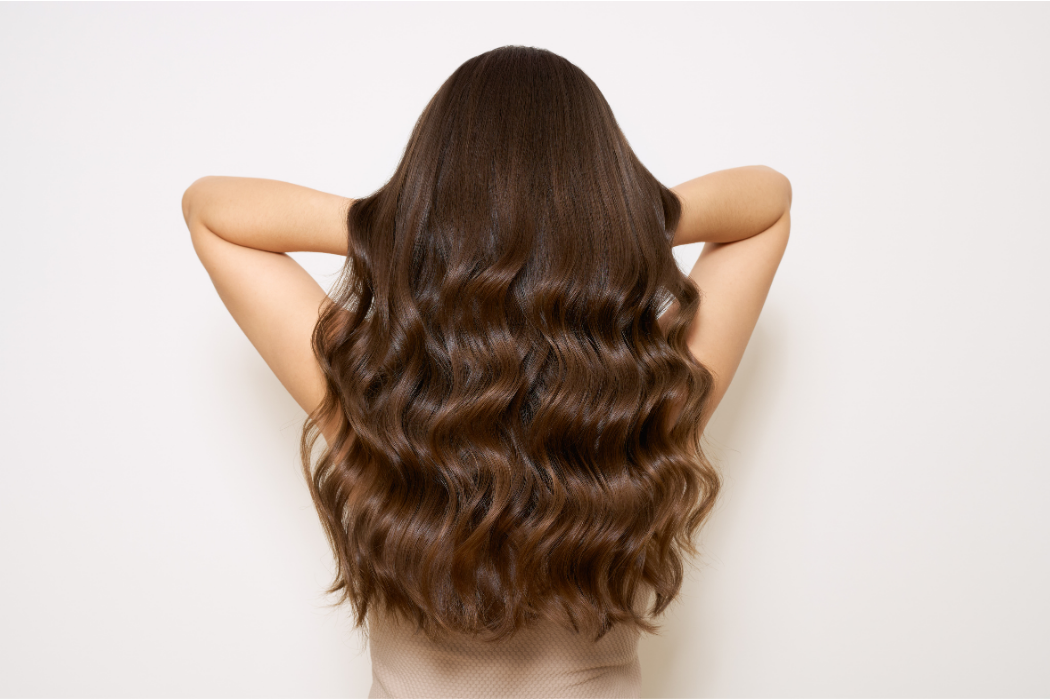
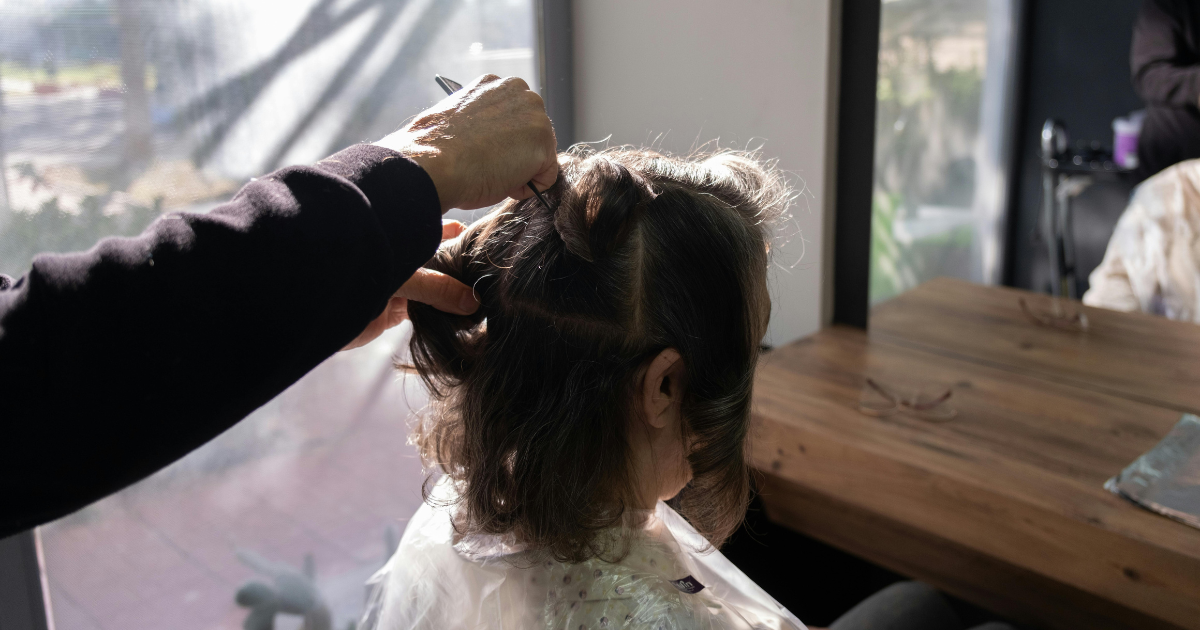
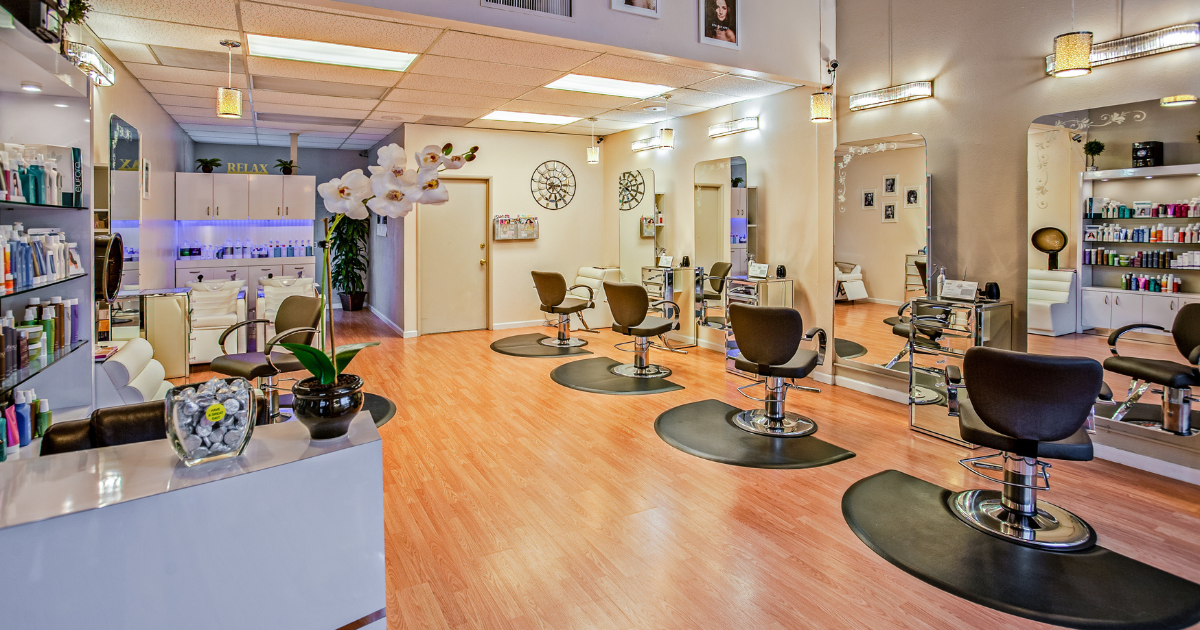
A modern Hair Salon can do much more than deliver a fresh look for one afternoon; it can help design a style that keeps working through busy mornings, changing weather, and weeks of normal growth.
For years, dramatic transformations dominated beauty conversations. The brightest blonde, longest extensions, and boldest before-and-after photograph usually received the most attention. Those looks still have their place, but a quieter form of innovation is reshaping salon culture. Clients increasingly want customized hair that looks polished without demanding a complicated daily routine.
Low-maintenance does not mean boring, basic, or effortless for the stylist. Creating hair that grows out gracefully requires thoughtful color placement, precise cutting, realistic planning, and an understanding of how the client actually lives.
Low-Maintenance Hair Is Different for Everyone
One person may consider a salon visit every six weeks perfectly manageable. Someone else may prefer to refresh a style only a few times per year. The same difference applies to home care. Some clients enjoy blow-drying and curling their hair, while others need a style that can air-dry successfully.
Before selecting a service, it helps to define what low-maintenance means personally. Consider these questions:
- How much time can you comfortably spend styling each morning?
- How often do you want to return for color or haircut maintenance?
- Do you regularly wear your hair straight, curled, natural, or tied back?
- Are you willing to use several products, or do you prefer a short routine?
- Which changes in your hair bother you most as it grows?
These answers give a stylist something more valuable than a trend photograph. They provide the information needed to build a look around the client instead of asking the client to rearrange life around the look.
Great Haircuts Are Designed for the Weeks Ahead
A haircut should not be judged only by how it looks immediately after a professional blowout. Its shape should also make sense after the client washes and styles it at home.
Hair density, natural movement, growth patterns, length, and texture all affect how a cut behaves. Strategic layers may create movement in dense hair, but too many short layers can make fine hair appear thinner. A fringe can transform a style, yet it may require frequent trims and daily attention. A blunt shape may add visual fullness, but it may not provide the movement someone expects.
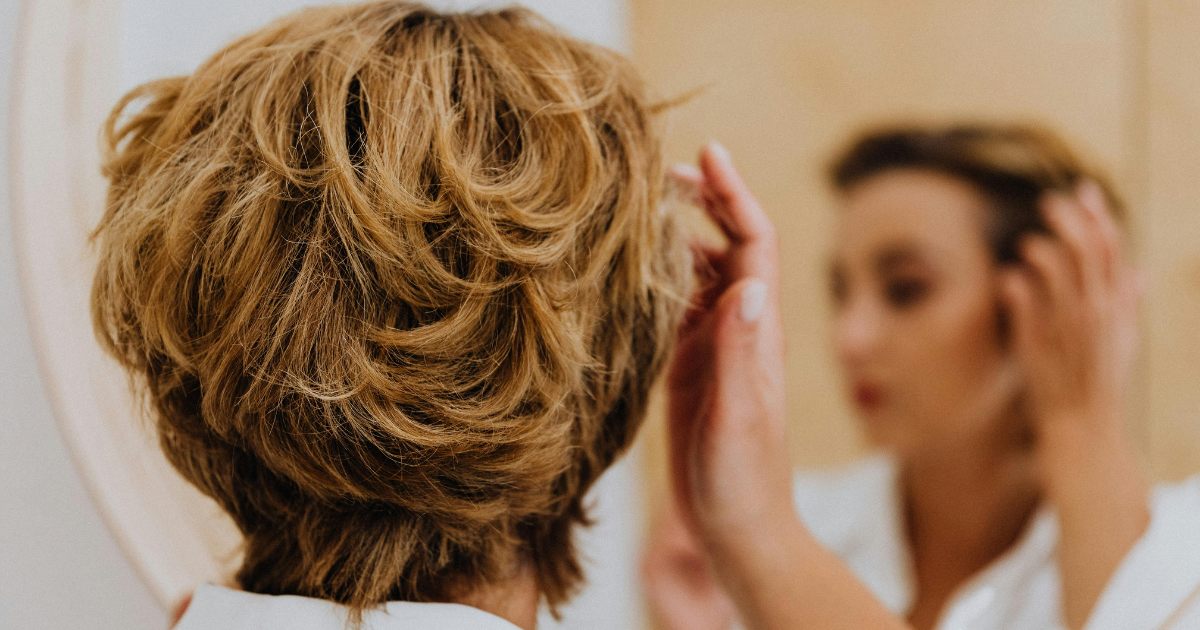
This is where precision becomes a form of beauty innovation. Rather than applying the same trending cut to every guest, a stylist can adjust proportions to suit the individual. The goal is not to copy a picture exactly. It is to understand why the picture is appealing and translate those qualities into a wearable shape.
Plan for Your Natural Texture
A client who frequently air-dries should arrive with examples of how the hair naturally behaves. Discuss whether it expands, forms waves, loses volume, or develops frizz in certain areas. This helps the stylist create a shape that works with those patterns.
The American Academy of Dermatology recommends selecting products and care routines suited to the individual hair type. That seemingly simple advice matters because fine, coarse, straight, curly, and chemically treated hair do not respond identically to washing or styling.
Dimensional Color Can Create a Softer Grow-Out
Hair color maintenance is influenced by contrast. A solid shade that differs significantly from the natural base can create a visible line as new growth appears. Dimensional techniques can soften that transition by preserving depth and distributing lighter or richer tones throughout the hair.
Balayage, highlights, lowlights, root blending, and glossing can all contribute to a customized result. However, none of these techniques is automatically low-maintenance. Placement, starting color, desired brightness, gray coverage, and toning needs determine how frequently the result may need attention.
Clients should ask what the color is expected to look like after eight, twelve, or sixteen weeks. A useful plan may combine a larger transformation service with shorter gloss or toning visits between major lightening sessions.
Safety should remain part of the conversation. The U.S. Food and Drug Administration provides consumer information about hair-dye reactions, product directions, and eye safety. People with known sensitivities should disclose previous reactions before receiving color. The FDA also explains that cosmetic ingredients can cause allergic responses in some individuals.
More Product Is Not Always Better
Another interesting salon innovation is precise product measurement. Traditionally, clients may have had little visibility into how color usage influenced the cost of a service. Newer systems allow salons to weigh color and treatment products more accurately.
This approach can improve consistency, reduce unnecessary waste, and make pricing easier to explain. The service still depends on professional expertise, but product use becomes a measurable part of the process.
That philosophy is visible at Vault Salon, where services are structured around reserved time, stylist level, and measured color or treatment usage. The salon offers customized color, blonding, haircuts, extensions, damage-repair services, and premium texture options for clients in Rocklin, Roseville, Lincoln, and surrounding California communities.
A detailed quote is especially helpful for transformations because the same visual goal may require different amounts of time and product depending on hair length, density, history, and condition.
Extensions Should Solve a Specific Styling Problem
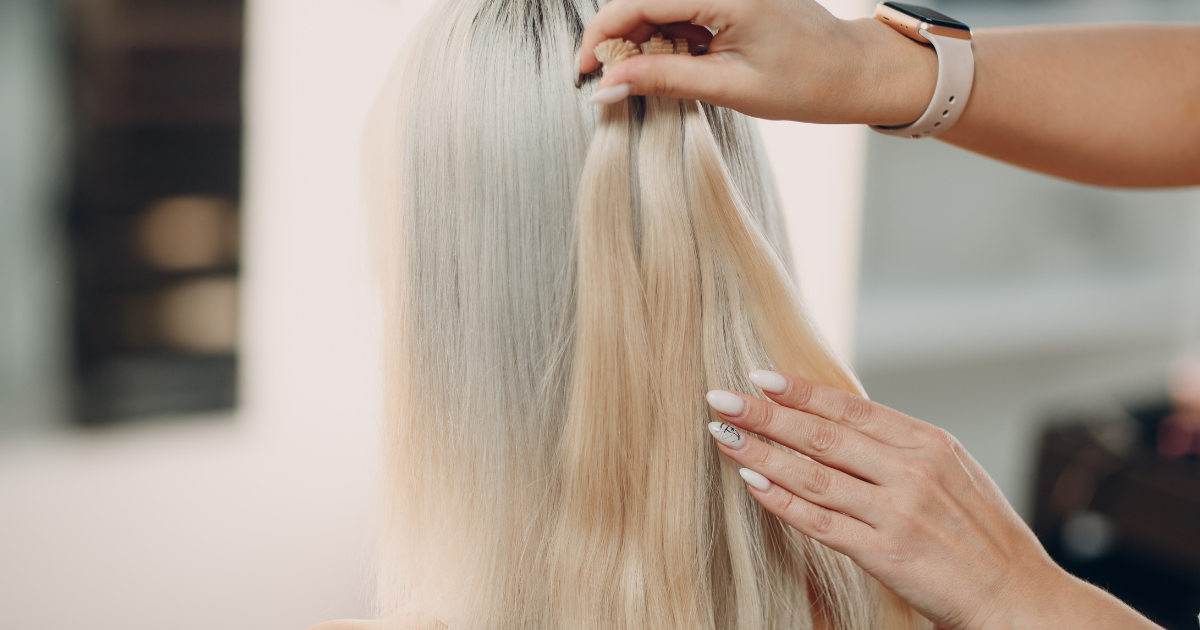
Hair extensions are often associated with dramatic length, but that is only one possible use. They can also add density to fine ends, fill shorter areas, introduce temporary dimension, or create more volume for styling.
The best method depends on the natural hair and the desired outcome. Tape-in, hand-tied, and beaded systems differ in installation, weight distribution, maintenance, and suitability. A consultation should address:
- The amount and condition of the natural hair
- The desired length, volume, or density
- Color matching and blending
- Comfort during everyday wear
- Home washing and brushing requirements
- The schedule for move-up or maintenance services
- The total long-term investment
Extensions should not create persistent discomfort or excessive tension. The American Academy of Dermatology warns that repeatedly wearing styles that pull tightly can contribute to breakage and hair loss. Promptly discussing soreness, matting, slipping, or unusual shedding with the extension professional can prevent a minor issue from becoming a larger one.
Smoothing Services Require Informed Choices
Smoothing treatments can reduce frizz, shorten styling time, and make hair more manageable, but clients should understand which product is being used and what it is intended to do. Keratin treatments, chemical straighteners, and other smoothing systems are not interchangeable.
Before receiving one, ask about the exact product, expected longevity, required aftercare, and compatibility with existing color or chemical services. Product transparency is particularly important because the Occupational Safety and Health Administration has reported that certain smoothing products may contain or release formaldehyde, sometimes despite confusing product claims.
A reputable professional should be comfortable discussing ingredients, ventilation, realistic results, and maintenance. Promises that a service is completely harmless or appropriate for every hair type should be treated cautiously.
The Home Routine Should Be Simple Enough to Follow
The perfect routine is not the one with the most bottles. It is the one a client can use consistently. Most people need a few well-chosen basics rather than an overflowing shelf.
A practical routine may include:
- A shampoo selected for the scalp and washing frequency
- A conditioner suited to the hair’s texture and condition
- A leave-in product for detangling or moisture when needed
- Heat protection before blow-drying, curling, or straightening
- One finishing product for hold, smoothness, or definition
Technique matters as much as the products. Dermatologists recommend reducing unnecessary pulling and using care when handling wet hair. The AAD’s guide to styling without damage also suggests limiting excessive heat and using flat irons on dry hair at an appropriate setting.
Research indexed by PubMed has examined how heat can affect the hair cuticle and cortex. This does not mean abandoning styling tools. It means using them intentionally, avoiding repeated passes, and choosing the lowest temperature that produces the desired result.
A Safe Salon Experience Is Part of Modern Luxury
Innovation should never come at the expense of cleanliness or consumer safety. Organized stations, properly disinfected tools, responsible chemical handling, and clear communication are essential regardless of how trendy the service may be.
California clients can review salon safety and infection-control information through the California Board of Barbering and Cosmetology. Consumers can also verify licenses and learn how regulated establishments are expected to operate.
The new definition of luxury hair is surprisingly practical. It is a flattering cut that remains manageable, color that ages gracefully, extensions selected for a clear purpose, and a routine that can be repeated at home. When creativity is supported by planning, transparency, and healthy-hair habits, the result does more than look impressive in a photograph. It continues to work in everyday life.