The Beauty Innovations That Make Salon Results More Personal
A Hair salon feels genuinely modern when its newest ideas make your experience more personal, practical, and transparent.
Beauty innovation is often presented as a parade of futuristic tools, viral formulas, and dramatic transformations. Some of those developments are exciting, but technology alone does not guarantee a better result. The innovations that matter most help professionals understand the client, plan services carefully, communicate limitations, and create looks that remain manageable at home.
From detailed consultations to condition-aware color, here are the changes quietly making salon services smarter.
The Consultation Is Becoming More Useful
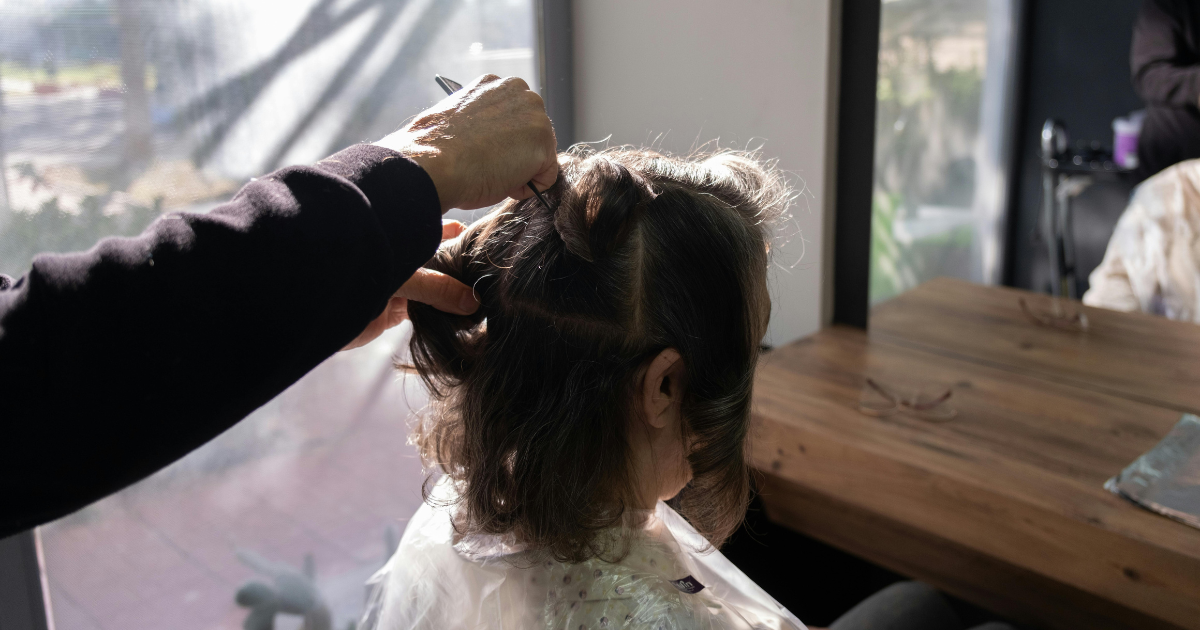
A good consultation is more than showing a photograph and choosing a shade. It is an information-gathering process that allows the stylist to connect inspiration with the reality of the hair.
Modern pre-consultation forms, stylist-matching tools, reference galleries, and virtual conversations can help clients explain what they want before technical work begins. These tools are most valuable when they support an honest discussion rather than replacing one.
A complete hair consultation may explore:
- Your natural texture, density, and growth patterns
- Previous color, lightener, smoothing, and extension services
- How frequently you wash and heat-style your hair
- Whether you normally air-dry or create a polished finish
- How often you want to return for maintenance
- Which parts of a reference image you actually like
- Whether condition, length, brightness, or convenience is the priority
This information helps turn a broad request such as “dimensional blonde” into a plan designed for a specific person. In that sense, personalization may be the most important salon innovation of all.
Color Planning Is Moving Beyond the Reveal
A beautiful color should be planned for more than the first photograph. Stylists also need to consider fading, new growth, future services, home care, and the condition of previously processed lengths.
That can lead to a gradual lightening plan, strategic placement, a softer root transition, or a shade that stays closer to the natural color. These choices may not sound as exciting as a same-day transformation, but they can produce a result that is easier to wear and maintain.
The American Academy of Dermatology’s guidance on coloring and perming explains that dramatic lightening can cause more damage than staying within a few shades of the natural color. This is why a stylist may recommend several sessions or modify a reference image when preserving length and condition is important.
Ask these questions before a major color change
- Can the goal be reached safely in one service?
- Which areas of the hair have already been processed?
- How will the finished shade fade?
- Will glosses or toners be needed between larger services?
- What will maintenance look like after eight or twelve weeks?
- What is the alternative if the hair cannot support the original plan?
Product safety remains essential even when formulas become more sophisticated. The U.S. Food and Drug Administration’s hair-dye precautions include following directions and warnings, observing processing times, completing the instructed skin test, wearing gloves, and never mixing different dye products.
Healthy-Hair Thinking Is Replacing Product Overload
The beauty industry never runs short of masks, oils, sprays, treatments, and serums. A modern routine, however, is not necessarily a large one. It is a routine in which every product has a clear job.
Someone with fine, uncolored hair may need something very different from a client with curls, extensions, frequent highlights, or regular heat styling. Product recommendations should account for texture, scalp needs, chemical history, styling habits, and the finish the client wants.
The American Academy of Dermatology recommends choosing care practices for the individual hair type, applying shampoo mainly to the scalp, using conditioner after washing, handling wet hair gently, and limiting excessive heat.
These habits are not glamorous, but they can matter more than collecting every trending product. Innovation becomes useful when it simplifies the routine instead of making it confusing.
Extensions Are Becoming More Strategic
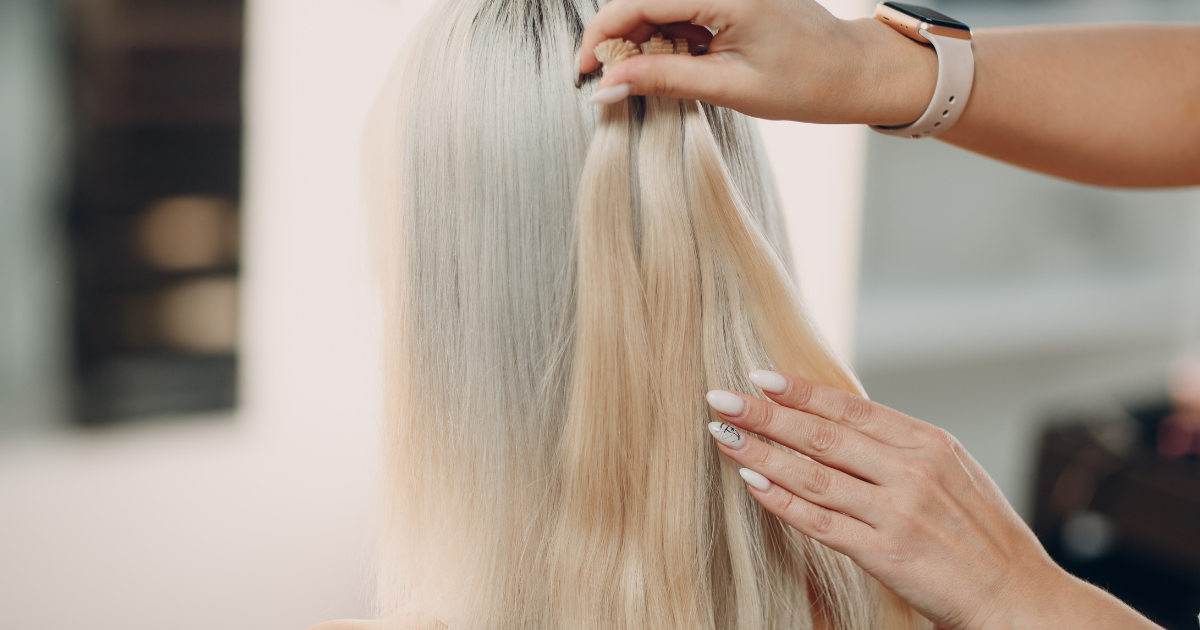
Extensions are no longer only about creating extremely long hair. Thoughtful placement can add fullness, support a desired shape, introduce color without lightening every strand, or create density in selected areas.
The method still needs to suit the natural hair. Attachment weight, placement, washing, drying, brushing, maintenance, and removal should all be discussed before installation.
Persistent tenderness is not a sign that an installation is working. The American Academy of Dermatology warns that repeated tension from tight hairstyles can contribute to traction alopecia. Discomfort, stinging, broken hairs, or visible pulling should be addressed rather than ignored.
A responsible extension plan should answer several practical questions:
- How frequently will maintenance be required?
- How should the attachment areas be washed and dried?
- Which brushes, products, and hot tools are appropriate?
- How will the extensions affect exercise, swimming, or sleeping?
- What happens if an attachment slips or becomes uncomfortable?
- How will the extensions eventually be removed?
Product Transparency Matters With Smoothing Services
Smoothing services can reduce frizz and make styling easier, but a trendy treatment name does not provide enough information about the formula or process.
Clients should be able to ask which product will be used, what result it is intended to create, how heat is involved, how long the effect generally lasts, and how the service interacts with existing color.
The Occupational Safety and Health Administration provides guidance about formaldehyde exposure from certain hair-smoothing products. Its resources discuss product labels, safety data sheets, ventilation, training, testing, and protective measures.
That does not mean every smoothing service is identical or unsuitable. It means innovation should come with understandable product information and responsible handling.
Continuing Education Is the Technology Behind the Technique
New tools and formulas are only as useful as the professionals applying them. A stylist needs time to learn a technique, practice it, understand its limitations, and decide which clients are appropriate candidates.
The U.S. Bureau of Labor Statistics notes that hairstylists and cosmetologists often pursue ongoing education to remain current with techniques, styles, and products.
Education may include cutting different textures, advanced color formulation, extensions, smoothing services, consultation, sanitation, and product knowledge. It also helps professionals recognize when a requested service should be modified, postponed, or referred to someone with more relevant experience.
A salon that values education is better positioned to evaluate trends instead of simply copying them.
Lower-Waste Beauty Is Becoming More Specific
Sustainability sounds impressive, but meaningful progress depends on concrete practices. Accurate color measurement can reduce unnecessary product waste. Better inventory tracking can prevent unopened products from expiring. Concentrated products or refill systems may reduce packaging when they are compatible with sanitation requirements.
The EPA Safer Choice product directory helps consumers and businesses identify products that meet the program’s ingredient and performance standards. It is a useful reminder that environmental claims should be supported by clear criteria rather than vague language.
Clients can also create less waste by choosing products they will use consistently, learning the correct amount to apply, and resisting the urge to replace an effective routine every time a new trend appears.
Innovation Still Depends on Clean Fundamentals
No digital form, specialty formula, or advanced service replaces sanitation. Reusable tools, linens, work surfaces, equipment, and single-use materials all require appropriate handling.
Indiana’s sanitary and equipment requirements for beauty culture establishments address cleaning, disinfection, storage, facility conditions, and related professional responsibilities.
Clients do not need to memorize every regulation, but they can notice whether clean and used materials are separated, whether stations appear organized, and whether professionals follow consistent procedures. Innovation works best when it is built on reliable basics.
A Modern Approach in Crown Point
State of Mind Salon & Day Spa reflects this blend of personalization and continuing education in Crown Point, Indiana. Its published hair services include precision haircuts, styling, color, highlights, balayage, smoothing treatments, and extensions.
The salon also offers pre-consultation and stylist-matching options designed to connect guests with professionals whose skills align with their goals. Its broader menu includes facials, massage, waxing, nail care, bridal services, and customizable spa experiences.
State of Mind describes ongoing training and individualized consultation as central parts of its approach. That combination matters because trend-forward work is most successful when a professional also considers facial features, hair texture, home habits, maintenance preferences, and lifestyle.
How to Recognize an Innovation Worth Trying
Before choosing a new service, tool, or treatment, use this quick reality check:
- Ask what problem it solves. A useful innovation should offer a clear benefit beyond novelty.
- Discuss suitability. Find out how your texture, condition, history, or sensitivities affect the recommendation.
- Request realistic expectations. Understand what the service can and cannot change.
- Learn about maintenance. Ask about products, return visits, fading, removal, and home styling.
- Question unclear claims. Product names such as “natural,” “clean,” or “repairing” should not replace a useful explanation.
- Pay attention to comfort. Burning, persistent tension, or unexpected irritation should never be dismissed.
- Look for professional education. New techniques should be supported by training and thoughtful judgment.
The future of beauty is not about turning every salon visit into a science-fiction experience. It is about using better information, stronger education, safer processes, and more precise personalization to create results that suit real people. The best innovations may be less flashy than the latest viral transformation, but they make beauty more understandable, wearable, and enjoyable long after the reveal.