The Smarter Way to Explore Beauty Innovation Without Overloading Your Skin
A Medical spa can help turn a collection of interesting beauty treatments into a thoughtful plan that reflects your skin, priorities, and tolerance for maintenance.
Beauty innovation moves quickly. One week, everyone is discussing a new resurfacing device. The next, social feeds are filled with chemical peels, collagen-stimulating treatments, injectable trends, and elaborate routines featuring multiple active ingredients.
Having more options is exciting, but trying everything at once rarely creates a clear path forward. Skin needs time to respond, recover, and reveal whether a treatment is actually helping. The smarter approach is to build an aesthetic cycle with distinct stages for assessment, preparation, treatment, recovery, and maintenance.
Stop Building a Treatment Pile
A “treatment pile” develops when someone adds services and products without considering how they interact. A person might begin a strong retinoid, schedule a peel, experiment with an exfoliating mask, and book an energy-based procedure within the same short period.
Each choice may sound reasonable on its own. Together, they may create unnecessary irritation or make it difficult to identify what caused a reaction.
Instead of beginning with a menu of procedures, begin with one clearly defined concern:
- Uneven tone or visible sun damage
- Rough or congested texture
- Acne scars
- Fine lines
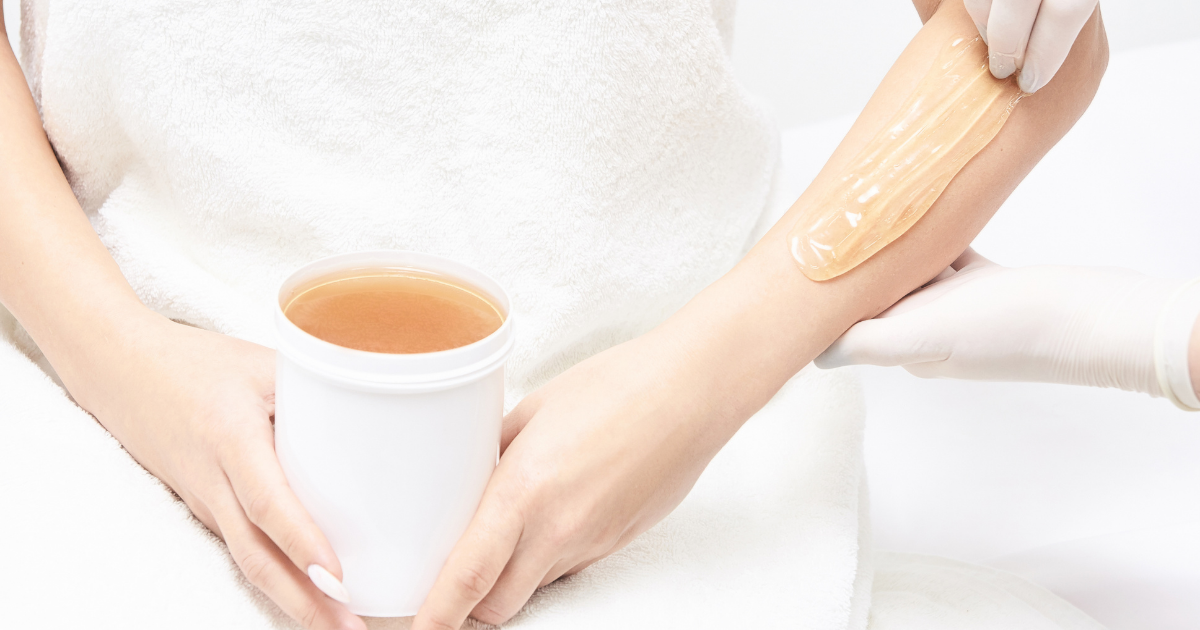
- Unwanted hair
- Loss of facial volume
- A generally dull or dehydrated appearance
A specific goal makes it easier to compare options, understand tradeoffs, and measure progress. It also reduces the temptation to choose a treatment simply because it is trending.
Borrow the Logic of Skin Cycling
At-home “skin cycling” commonly refers to rotating active ingredients and recovery nights. Professional treatment planning is more individualized, but the underlying idea is useful: skin does not need maximum intensity every day.
A practical aesthetic cycle can be organized into four phases.
Phase One Is the Baseline
Before changing anything, document what your skin looks and feels like under ordinary conditions. Take clear photographs in consistent natural lighting and note current products, medications, previous procedures, allergies, and recurring sensitivities.
Pay attention to details that photographs cannot capture, such as tightness after cleansing, stinging, itching, periodic breakouts, or flushing. These observations provide context for a consultation and create a more honest starting point for evaluating results.
Phase Two Is Preparation
Some procedures require temporary changes to skincare, sun exposure, medications, or other treatments. Preparation should come from the treating professional because the instructions depend on the procedure and the individual.
For example, the American Academy of Dermatology’s chemical peel guidance explains that some patients may need a pre-peel skincare plan. The appropriate preparation can also vary with skin coloring, medical history, and the depth of the peel.
This is the time to simplify, follow specific instructions, and resist adding a newly discovered active ingredient. More preparation does not necessarily mean more products.
Phase Three Is the Active Treatment
The treatment stage should have a defined purpose. Ask what the procedure is intended to change, how it works, when improvement may become visible, and whether one session or a series is commonly considered.
Device and product names are not substitutes for that explanation. The U.S. Food and Drug Administration’s aesthetic device resources encourage consumers to discuss benefits, risks, alternatives, and provider training before undergoing a procedure.
It is also worth asking how results will be evaluated. Standardized photographs, symptom notes, and follow-up assessments are more useful than relying on memory alone.
Phase Four Is Recovery
Recovery is an active part of the plan, not empty time between exciting treatments. Depending on the procedure, the skin may need gentle cleansing, moisturization, sun protection, limited heat exposure, or a temporary pause from certain products.
Follow the instructions given for the specific treatment. Do not assume that visible peeling, redness, or tenderness should be accelerated with scrubs, brushes, acids, or picking.
Contact the provider if symptoms are more severe than expected, continue beyond the anticipated recovery period, or include signs of infection or another concerning reaction.
Give Every Homecare Product a Job
A crowded shelf is not the same as a consistent routine. Most plans need a dependable foundation before specialized products are added.
A basic routine commonly centers on:
- A cleanser appropriate for the skin
- A moisturizer that supports comfort
- Broad-spectrum sun protection
- Targeted products chosen for specific concerns
Active ingredients should earn their place. If two products promise similar benefits, ask whether both are necessary. If something causes persistent burning, scaling, or redness, do not treat the irritation as proof that it is working.
Retinoids are a useful example. They are widely discussed for acne and visible signs of aging, but formulas and strengths differ. The American Academy of Dermatology explains the differences between retinoids and retinol and recommends professional guidance when deciding whether these ingredients are appropriate.
Introduce new products deliberately. Changing one element at a time makes it easier to understand what improves the skin and what creates problems.
Match Procedures to Problems
Modern treatments sometimes overlap in the concerns they address, yet they are not interchangeable. A chemical peel, facial, microneedling session, injectable, and laser procedure can have different mechanisms, risks, recovery requirements, and maintenance schedules.
Microneedling, for instance, is often discussed casually online, but the FDA identifies important considerations involving infection, cross-contamination, device use, and potential adverse events. Its microneedling device guidance also notes that lasers, chemical peels, fillers, and other technologies may be alternatives worth discussing.
Injectables require the same level of specificity. Dermal fillers are not simply generic “volume.” The FDA’s dermal filler information explains that these products are medical device implants with approved uses, limitations, and potentially serious risks.
A useful consultation should connect the recommendation to anatomy, skin condition, personal goals, and realistic expectations. “This treatment is popular” is not a complete reason to choose it.
Be Curious About New Technology Without Chasing It
New beauty technology deserves curiosity, but novelty should not outrank suitability. A familiar treatment with an established role may be more appropriate than the newest device on social media.
When evaluating an innovation, ask:
- What exact concern is it designed to address?
- Is the device cleared or approved for the proposed use?
- Who will perform the treatment?
- What training and experience does that person have?
- Are there reasons I may not be a suitable candidate?
- What are the common and serious risks?
- What alternatives could address the same goal?
- How much recovery and maintenance should I expect?
The American Academy of Dermatology offers additional questions to ask before cosmetic treatment, including questions about qualifications, anticipated results, preparation, aftercare, and complications.
Plan Around Seasons and Real Life
The ideal treatment calendar should work with ordinary life. A procedure that requires careful sun avoidance may be difficult immediately before a beach vacation. Visible peeling or swelling may not fit comfortably before an important event. A series of sessions also needs enough time to be completed and evaluated.
Coastal Georgia’s outdoor lifestyle makes daily sun protection especially relevant. The American Academy of Dermatology recommends broad-spectrum, water-resistant sunscreen with an SPF of 30 or higher, along with shade and protective clothing.
Sun protection is not merely an aftercare instruction. It helps protect the progress people are trying to make when addressing uneven tone and visible photoaging.
Personalized Planning in Coastal Georgia
Radiant Skin Medical Spa serves Richmond Hill and Rincon, Georgia, with a service menu that includes customized facials, chemical peels, dermaplaning, microneedling, Morpheus8, laser procedures, injectables, massage, and noninvasive body treatments.
The practice describes its process as beginning with a one-on-one consultation and emphasizes honest education and individualized planning. That is particularly valuable when several services could potentially address similar concerns.
A consultation can help establish which goal deserves priority, whether preparation is needed, how treatments should be spaced, and what homecare can support the plan.
Use a Simple Decision Filter
Before adding a new product or procedure, run it through this checklist:
- Goal: Can I name the specific concern I want to address?
- Fit: Is this option appropriate for my skin, health history, and lifestyle?
- Evidence: Do I understand what the treatment can and cannot reasonably do?
- Risk: Have the possible side effects and complications been explained?
- Recovery: Can I follow the preparation and aftercare instructions?
- Sequence: Does this conflict with another product or procedure?
- Measurement: How will I know whether it worked?
- Maintenance: Am I comfortable with the ongoing commitment?
Beauty innovation is most useful when it expands thoughtful options, not when it creates pressure to try everything. Choose one meaningful goal, build a sensible sequence, protect recovery time, and evaluate results before moving to the next step. The result is a calmer routine and a much clearer understanding of what your skin actually needs.