The Smarter Side of a Great Hair Transformation
The Smarter Side of a Great Hair Transformation A Hair salon transformation works best when creativity is supported by thoughtful consultation, realistic planning, and techniques…


A Hair salon transformation works best when creativity is supported by thoughtful consultation, realistic planning, and techniques suited to the person wearing the finished look.
Beauty innovation is often presented as a new tool, product, or viral technique. Those things can be exciting, but the smartest changes happening in salons are less flashy. They involve understanding hair history, choosing services more carefully, reducing unnecessary stress on the hair, and creating results that fit real routines.
Whether the goal is dimensional color, smoother texture, added length, or a completely new shape, modern salon innovation begins with better questions.
A reference photo can communicate mood, color placement, and overall direction. It cannot show how the pictured style will behave on someone with a different density, texture, growth pattern, previous color, or morning routine.
A useful consultation translates inspiration into an achievable plan. Instead of asking only what look a guest wants, a stylist may explore:
This is personalization with a purpose. The objective is not to discourage experimentation. It is to design a result that still feels good several weeks after the salon reveal.
Bring two or three inspiration images, plus a photo of anything you definitely do not want. Be honest about previous chemical services, including color applied at home. Explain how you normally wear your hair instead of describing an ideal routine you are unlikely to maintain.
A stylist can make better recommendations when the starting point and everyday expectations are clear.
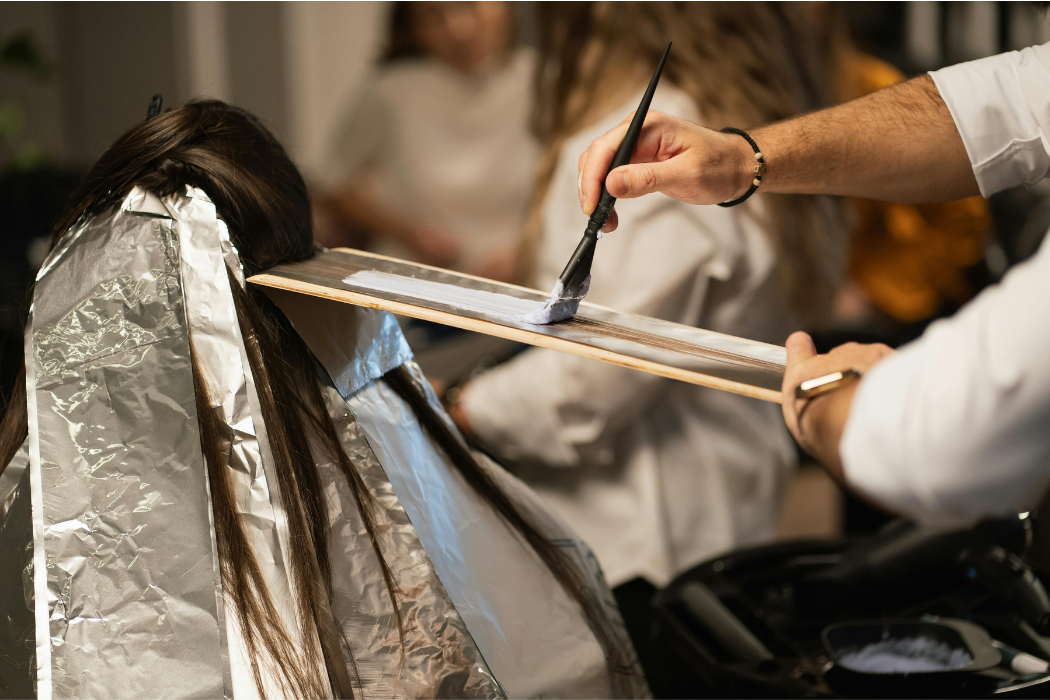
Modern color is highly customizable. Highlights can be fine or bold, balayage can create soft movement, and glosses can shift tone without producing the same effect as a major lightening service. The innovation is not simply having more techniques available. It is choosing and sequencing them intelligently.
Hair history matters because existing artificial pigment and previous chemical processing can influence what is realistic in one session. A strand test may help a professional observe how a small section responds before committing to a larger transformation.
An allergy alert test serves a different purpose. The U.S. Food and Drug Administration provides hair-dye safety guidance that includes following product directions, observing warnings, and completing the recommended patch test before each use.
Before a major color change, ask:
A staged plan is not less creative. Sometimes it is the most responsible route to a beautiful result.
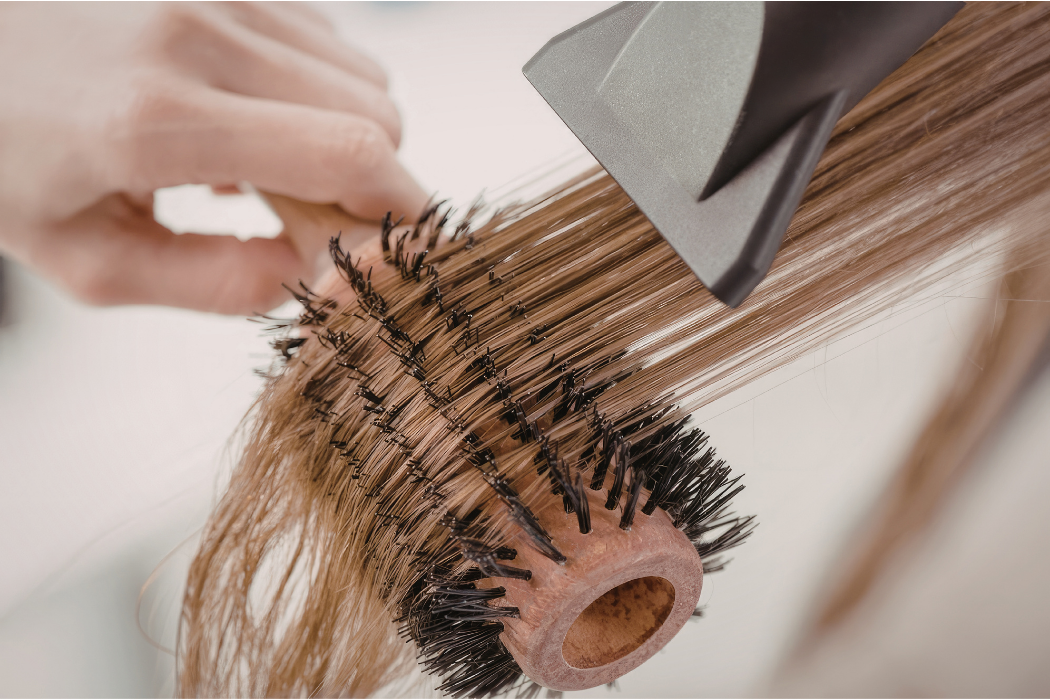
Great styling does not require using maximum heat at every step. Temperature, contact time, tool choice, product application, and technique all affect the finished result.
The American Academy of Dermatology recommends limiting excessive heat, allowing hair to partially air-dry when practical, and using flat irons on dry hair at low or medium settings.
At home, the smartest routine is usually the one that reduces repeated passes. Work with manageable sections, use tools only as hot as necessary, and avoid repeatedly pressing the same area because the first pass did not create the desired shape.
A haircut that supports natural movement can also reduce daily styling effort. That is a quiet form of beauty innovation: the shape does more of the work, so the hot tools do less.
Hair texture is not a problem that needs to be corrected. Waves, curls, coils, and straight hair simply respond differently to cutting, moisture, tension, brushing, and drying.
A texture-aware service considers shrinkage, curl grouping, density, weight distribution, and how the guest prefers to wear the hair. Someone who regularly switches between natural curls and a smooth blowout may need a different plan than someone who always air-dries.
This approach also improves home-care advice. “Use more product” is rarely enough. A helpful explanation covers where to apply it, how much to begin with, whether the hair should be soaking wet or damp, and how to refresh the style without starting over.
The result is not a rigid routine. It is a repeatable method that the guest can adjust as weather, length, and texture change.
A comfortable scalp supports an enjoyable hair routine, but salon professionals and medical professionals have different roles. A stylist can notice visible changes, ask questions, avoid aggravating an uncomfortable area, and recommend medical evaluation when something appears outside the scope of a cosmetic service.
Sudden shedding, widening areas, smooth bald patches, persistent scaling, sores, or significant discomfort should not be disguised with a styling product and forgotten. The American Academy of Dermatology outlines several signs and symptoms that may accompany hair loss.
If a change is new or concerning, a dermatologist can evaluate possible medical causes. This boundary is important. A responsible salon experience supports awareness without pretending that a haircut, serum, or scalp treatment can diagnose or cure a health condition.
Extensions can add length, volume, dimension, or temporary flexibility, but the best method depends on more than the desired final photo. Natural density, hairline strength, lifestyle, maintenance habits, and comfort should guide the plan.
Placement should distribute weight appropriately and allow normal care of the natural hair and scalp. Pain is not a sign that extensions are settling in. The American Academy of Dermatology advises extension wearers to speak up when a style feels painful or excessively tight because repeated tension can contribute to breakage and traction-related hair loss.
Before choosing extensions, discuss:
The most innovative extension is not necessarily the newest one. It is the option that suits the wearer’s natural hair and everyday life.
Smoother, more manageable hair can be appealing, especially in a humid climate. Still, treatment names do not always reveal everything about a product or how it behaves when heated.
The Occupational Safety and Health Administration publishes information about formaldehyde exposure in some hair-smoothing products. Its guidance emphasizes product labels, safety data sheets, ventilation, employee training, and appropriate protective measures.
Guests can ask for the exact product name, what the treatment is designed to do, how long the result generally lasts, and which precautions apply. A professional should also explain how the service may interact with previous color or chemical treatments.
If a cosmetic product causes a serious or unexpected reaction, the FDA provides instructions for reporting a cosmetic product-related complaint.
Located at 1397 Kass Circle in Spring Hill, Florida, Nikkole Michaels Salon & Spa offers haircuts, styling, highlights, balayage, color, keratin treatments, and hair extensions alongside a broader range of spa and beauty services.
One of its more modern features is an online matchmaking survey designed to connect guests with a provider based on beauty goals, preferences, style, and personality. The salon also publishes a level system that describes different stages of stylist training and development.
These features address two common sources of uncertainty: choosing the right professional and understanding the experience level behind available service options. Technology handles the initial sorting, while the actual consultation and creative decisions remain human.
Florida consumers who want to research professional credentials can also use the state’s official cosmetology license-verification portal.
The future of salon beauty is not about chasing every new technique. It is about combining creativity with better information, safer choices, texture awareness, and results people can realistically enjoy at home. That kind of innovation may not always look dramatic behind the scenes, but it makes the final transformation far more meaningful.