The Smarter Side of a Great Hair Transformation
The Smarter Side of a Great Hair Transformation A Hair salon transformation works best when creativity is supported by thoughtful consultation, realistic planning, and techniques…

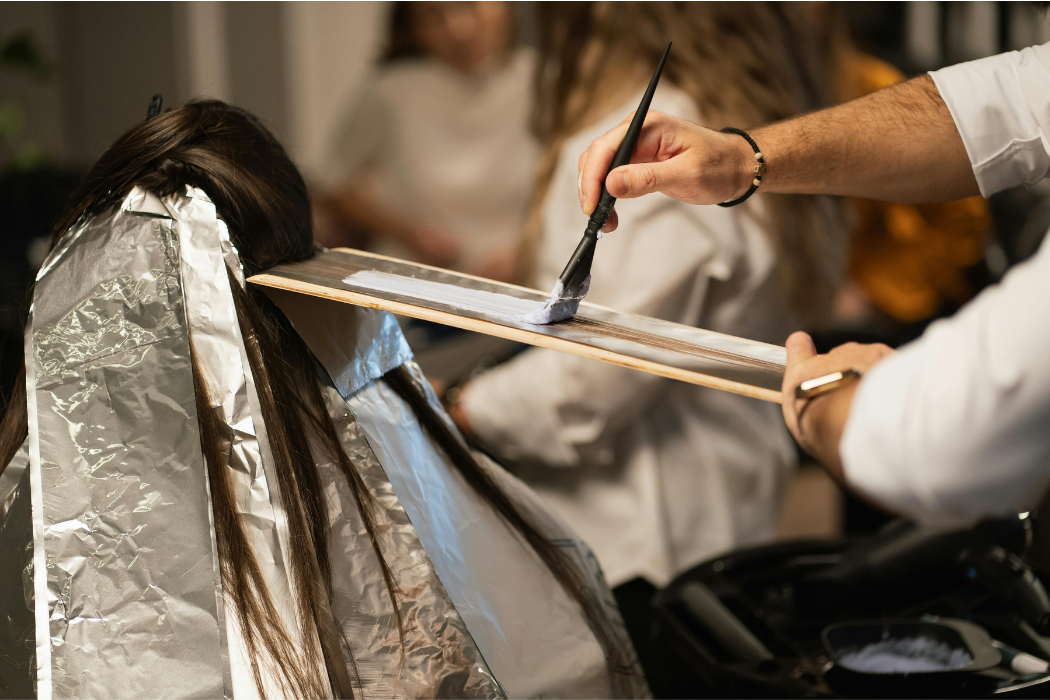
A Hair Salon can turn modern beauty innovation into something genuinely useful by matching each service to the client’s hair, preferences, and everyday routine.
Beauty innovation often sounds like it should involve futuristic tools or a complicated new formula. In reality, some of the most valuable progress happening in salons is much simpler. Consultations are becoming more detailed, color placement is more strategic, extensions are being used with greater precision, and home-care recommendations are increasingly personalized.
The goal is no longer to give everyone a version of the same popular look. It is to understand why someone likes a particular result and build a wearable version around that person.
A productive consultation gathers more than a preferred length or color. It should connect the desired result with the hair’s history, current condition, styling routine, and maintenance requirements.
Clients can make this conversation more useful by sharing:
This information helps a stylist determine whether the original idea is suitable, needs to be completed in stages, or could be achieved through a different technique.
Inspiration photographs are useful, but they should not function as strict instructions. Lighting, editing, extensions, styling, and the model’s starting hair can all influence what appears on screen.
Instead of simply asking for “this exact look,” identify the details you like. It might be the brightness around the face, the softness of the layers, the contrast between light and dark sections, or the amount of visible texture.
It is equally useful to explain what you do not want. A client may like the shape of a haircut but dislike its fringe. Another might love a blonde’s placement while preferring a warmer tone. Breaking the image into individual features gives the stylist more room to create a compatible version.
A small collection of carefully selected photographs is usually more informative than an overflowing inspiration board containing several conflicting ideas.
Modern color is increasingly designed around placement rather than maximum coverage. A few bright sections around the face, carefully positioned highlights, or added depth beneath the surface can create a noticeable change without altering every strand.
This modular approach can also make future updates more flexible. A client might brighten selected areas for summer, soften them during autumn, or adjust the overall tone while keeping the underlying placement.
Smart color planning considers:
Safety history matters too. The U.S. Food and Drug Administration provides guidance about hair dyes, including information about allergic reactions and product precautions. Previous itching, swelling, burning, or irritation should always be disclosed before another color service.
Personalization is not only about aesthetics. It also means respecting what the existing hair can reasonably support.
A review available through the National Library of Medicine explains hair-shaft structure and the effects of cosmetic procedures. Chemical processing and repeated physical stress can change the fiber’s surface and mechanical properties, which helps explain why similar-looking hair may respond differently to the same service.
Porous or previously lightened sections may absorb color differently. Fragile ends may not tolerate another major lightening session. Hair with multiple chemical histories may need testing or a staged plan before a dramatic change.
A professional recommendation might therefore involve:
This is not a failure of creativity. Working within realistic boundaries is part of creating a result that still looks appealing weeks later.
Hair treatments are easy to overcomplicate because words such as repair, moisture, strength, smoothness, and shine are often used together. A useful recommendation should explain the main purpose of the treatment and what the client can reasonably expect afterward.
For example, one formula may improve softness and manageability, while another is selected to support hair that has been chemically processed. A treatment that makes the surface feel smoother does not erase every form of structural damage.
Clients should ask:
The American Academy of Dermatology recommends conditioning after washing and handling wet hair gently. These everyday habits remain important even when professional treatments are part of the routine.
Extensions are no longer limited to dramatic length. They can add fullness around the sides, strengthen a haircut’s perimeter, introduce temporary color, or fill areas that appear less dense.
The most appropriate method depends on the natural hair, desired result, attachment preferences, and willingness to maintain the installation. More hair is not always the better choice. A smaller, carefully placed amount may provide the desired change with less weight and easier daily care.
A complete consultation should cover:
Comfort should be taken seriously. The American Academy of Dermatology advises that extensions should not cause pain or headaches. Persistent pulling, soreness, bumps, or irritation should be addressed rather than accepted as normal.
Smoothing, frizz-reduction, and keratin services can sound interchangeable, but the actual formulas and results vary. One service may make blow-drying easier while another creates a more noticeable change in natural texture.
Before agreeing to a texture service, ask for the exact product name, expected result, heat involved, washing restrictions, and compatibility with existing color. The Occupational Safety and Health Administration reports that some smoothing products may contain or release formaldehyde, so product-specific information is more meaningful than a general service label.
The first wash at home provides information that cannot be gathered from the salon reveal. It shows how easily the haircut settles, which sections need extra attention, and whether the recommended routine is realistic.
The American Academy of Dermatology offers guidance for styling hair without unnecessary damage, including reducing excessive heat and handling wet hair carefully.
Ask the stylist to demonstrate the smallest repeatable routine rather than only the most polished finish. Clients should know how much product to use, where to apply it, which sections need heat, and what the hair can look like when there is less time available.
Sharing that feedback during the next visit allows the plan to become more accurate. Layers can be adjusted, color placement refined, and product recommendations simplified as the stylist learns how the result performs in real life.
Bella Fiore Salon in Loganville, Georgia, offers cuts and styles, hair color, treatments, and extension services for clients in Walton County, Gwinnett County, and surrounding communities.
Its extension options include hand-tied, tape-in, and halo methods. The salon explains that consultation is used to review these options and develop a plan based on the client’s desired length, fullness, or color effect while considering the natural hair.
The salon’s public information also emphasizes customized haircut, color, and treatment recommendations rather than presenting every service as a universal solution. That flexibility reflects one of the most practical forms of beauty innovation: selecting the technique around the person instead of asking the person to fit the technique.
Georgia consumers can learn about professional requirements through the Georgia State Board of Cosmetology and Barbers. The state also provides an online professional license-verification tool.
The most exciting salon innovation is not necessarily a new trend or device. It is a better decision-making process. When technical knowledge, honest consultation, and client feedback work together, personalized hair becomes more predictable, comfortable, and enjoyable to maintain.