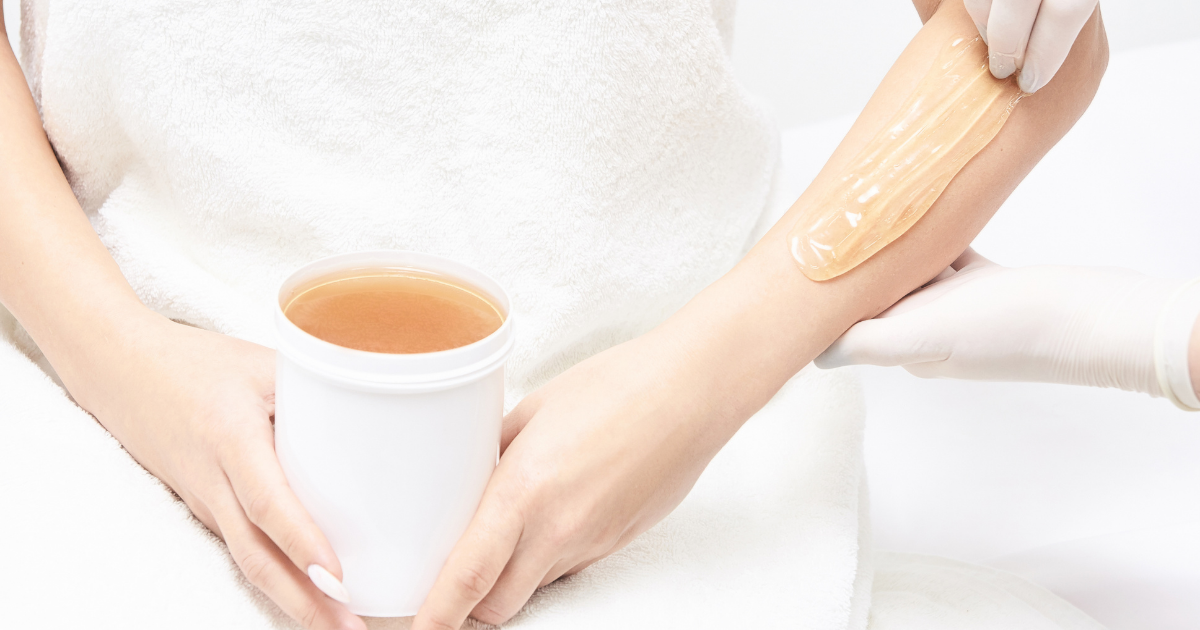
Sugaring hair removal in Leonardtown, MD offers a simple but surprisingly innovative alternative for removing unwanted facial and body hair with a paste traditionally made from sugar, lemon, and water.
The ingredient list may be minimal, but professional sugaring is much more than spreading a sweet mixture across the skin. The paste consistency, application temperature, removal direction, hair length, skin preparation, and practitioner’s technique all influence the experience.
For clients comparing sugaring with waxing or shaving, understanding how the process works can make the first appointment feel far less intimidating.
How Does Sugaring Work?
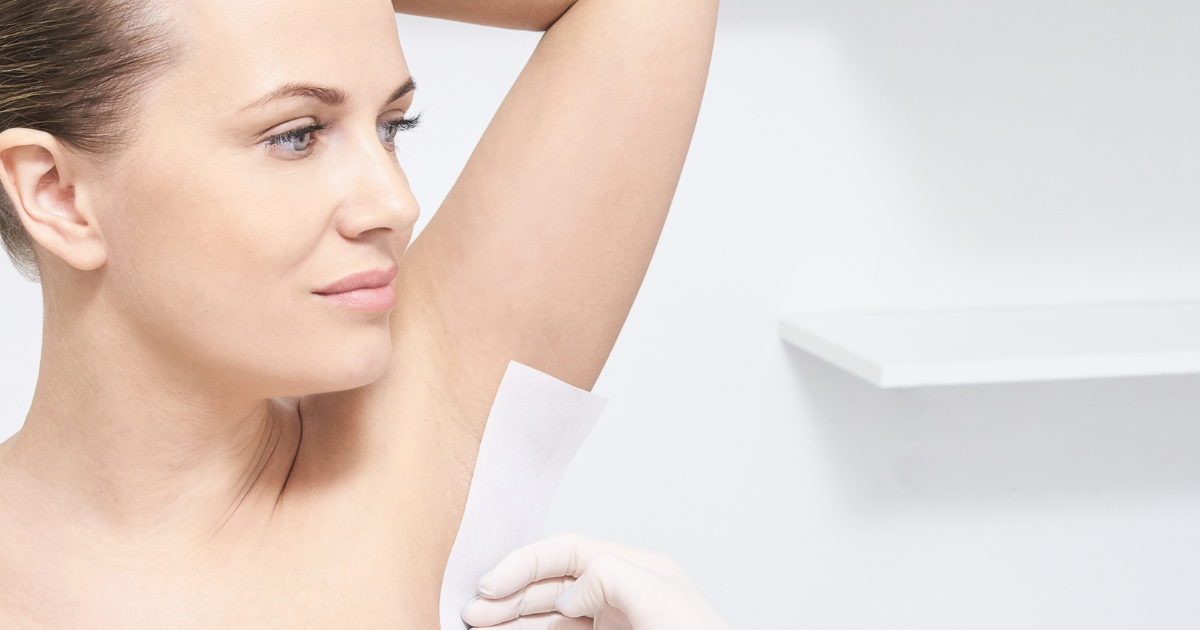
During a sugaring service, a pliable sugar paste is worked against the direction of hair growth. The practitioner then removes the paste in the natural direction of growth, taking unwanted hair with it.
This differs from many traditional waxing methods, in which wax is commonly applied in the direction of growth and removed in the opposite direction. Sugaring advocates believe removing hair with its growth pattern may reduce pulling and breakage for some clients.
The paste also adheres differently from conventional wax. Because it is generally used at or near body temperature, there is no need for the very hot application associated with some waxing products. The practitioner can repeatedly mold the paste over a section or use strips, depending on the product and technique.
Why Sugaring Has Become a Modern Beauty Trend
Sugaring is often described as an ancient method, but it fits several current beauty preferences exceptionally well. Clients increasingly want shorter ingredient lists, customized services, lower-temperature application, and hair-removal options that can be used on multiple areas.
Its modern appeal comes from several practical qualities:
- A paste commonly made with sugar, lemon, and water
- Application without extremely hot wax
- Hair removal in the direction of growth
- Simultaneous removal of some dead surface skin cells
- Use on facial, intimate, and larger body areas
- Water-soluble residue that can be cleaned relatively easily
No hair-removal method is irritation-proof. Results depend on skin sensitivity, hair texture, practitioner technique, medications, home care, and how the skin is treated before and after the appointment.
Sugaring Versus Traditional Waxing
Both sugaring and waxing remove hair from the root, so they share several similarities. Neither method is permanent, both require adequate hair length, and both can cause temporary redness or tenderness.
The primary differences involve the material and application technique. Wax formulas may include resins and other ingredients, while traditional sugar paste has a simpler composition. Sugaring paste is typically applied against growth and removed with growth, while waxing commonly follows the reverse pattern.
Some clients find sugaring more comfortable, particularly after several appointments. Others prefer waxing because it is familiar or works well for their hair and skin. Pain tolerance is highly individual, so no provider can honestly guarantee a painless service.
The American Academy of Dermatology’s waxing guidance advises avoiding hair removal on sunburned or very sensitive skin and taking precautions with retinoids and isotretinoin. Similar skin-safety questions are important before sugaring.
Which Areas Can Be Sugared?
Professional sugaring can be adapted to many facial and body areas. Available services may include:
- Eyebrows, cheeks, sideburns, lip, and chin
- Full face
- Nostrils
- Underarms
- Arms
- Chest, stomach, and back
- Half or full legs
- Buttocks
- Bikini area
- Brazilian and extended intimate-area services
Technique, appointment duration, positioning, and aftercare vary by area. Facial skin may be affected by active skincare products, while underarm and bikini skin commonly experiences friction and perspiration.
Hair Length Matters More Than Most Beginners Expect
The sugar paste needs enough hair to grip. Hair that is freshly shaved may be too short for efficient removal, while excessively long hair can make the process more uncomfortable.
Ask the salon how long to stop shaving before the appointment. Avoid trimming unless instructed because cutting the hair too short may delay the service.
Clients transitioning from shaving may notice hairs emerging at different times because they are in different growth cycles. The first appointment may not capture every hair. More consistent results can develop as appointments are scheduled without shaving between them.
How to Prepare for a Sugaring Appointment
Good preparation creates a cleaner surface and reduces avoidable irritation. Follow the salon’s specific instructions, as product formulas and techniques vary.
Before the visit:
- Allow the hair to reach the recommended length.
- Gently exfoliate in advance, but not immediately before the service.
- Avoid sunburn and intentional tanning.
- Do not apply heavy lotion, oil, or deodorant to the treatment area.
- Arrive with clean, dry skin.
- Avoid picking at ingrown hairs or blemishes.
- Wear loose clothing for body or intimate-area services.
Tell the practitioner about prescription retinoids, over-the-counter retinol, exfoliating acids, acne medication, recent peels, laser treatments, and previous reactions to hair removal.
What to Expect During the First Appointment
The appointment should begin with a consultation. The practitioner may ask about the area being treated, previous hair-removal methods, skin sensitivity, medications, and desired results.
The skin is cleaned and prepared before the sugar paste is applied. The practitioner works in sections, removing the hair while supporting the skin. Temporary warmth, pinkness, or tenderness may occur.
Clients should communicate throughout the service. It is appropriate to request a pause, ask questions, or stop the appointment. A professional provider should explain positioning and preserve privacy through suitable draping.
For intimate sugaring, wearing a tampon or menstrual cup may or may not be permitted during menstruation depending on salon policy. Skin can also feel more sensitive at certain points in the menstrual cycle. Confirm policies before arriving.
Aftercare for Calm, Smooth-Looking Skin
Freshly sugared skin deserves a quiet recovery period. Follicles may be temporarily more vulnerable to heat, sweat, friction, and irritating products.
For the period recommended by the provider, avoid:
- Hot baths, saunas, and steam rooms
- Swimming pools and hot tubs
- Intense exercise and heavy perspiration
- Tight or abrasive clothing
- Perfumed products on the treated area
- Strong acids, retinoids, or scrubs
- Direct sun exposure
Use clean hands and resist the urge to touch freshly treated skin. If the area will be exposed outdoors, ask when sunscreen can be applied and choose a suitable broad-spectrum product.
Preventing Ingrown Hairs Takes Consistency
Ingrown hairs occur when a hair curves or grows back into the skin. Coarse or curly hair, friction, close shaving, tight clothing, and dead skin buildup can increase the likelihood of bumps.
The AAD explains in its guidance on razor bumps and ingrown hairs that short, curved hairs can reenter the skin and trigger inflammation.
Once the post-service sensitivity has settled, gentle exfoliation may help keep the follicle opening clear. The correct method depends on the area and skin type. Over-scrubbing can create more irritation and discoloration, so follow the practitioner’s recommendations rather than combining several strong products.
Loose, breathable clothing can also reduce friction in underarm, bikini, and buttock areas. Never dig into the skin with tweezers or a needle to release a trapped hair.
What Is a Vajacial Add-On?
A vajacial is an external skincare treatment for the vulvar and bikini area. It may be added after an appropriate intimate hair-removal service to address cosmetic concerns such as visible irritation, congestion, ingrown hairs, or uneven-looking tone.
The treatment may include cleansing, gentle exfoliation, extractions, a mask, and soothing products. It does not involve internal treatment and should not be used to diagnose or treat a medical condition.
Clients with open wounds, significant swelling, sores, unusual discharge, severe pain, or a suspected infection should seek medical evaluation rather than booking a cosmetic add-on.
Who Should Postpone Sugaring?
Reschedule or obtain appropriate guidance if the treatment area has:
- Sunburn
- Open cuts or active bleeding
- A contagious skin condition
- Severe irritation or unexplained rash
- Active cold sores
- A recent peel, laser treatment, or aggressive exfoliation
- Fragile skin related to medication or a medical condition
Patients using isotretinoin or prescription retinoids should discuss hair removal with their prescribing healthcare professional and salon before scheduling. Removing hair from medically fragile skin can cause injury.
Persistent redness, swelling, blistering, drainage, or worsening pain after an appointment should be evaluated by a healthcare professional.
How Often Should Sugaring Be Scheduled?
Appointment frequency varies according to body area, individual growth cycle, hormones, genetics, and previous removal method. Many clients schedule recurring services several weeks apart.
Maintaining a consistent schedule without shaving between visits may make the process more predictable. However, sugaring does not permanently stop hair growth. Results and regrowth patterns vary from person to person.
Ask the practitioner to recommend timing based on the area treated and how quickly the hair returns. Scheduling too soon may leave insufficient hair for the paste to grip effectively.
Sugaring Services at The Hair Company
The Hair Company, also known as HC Salon & Boutique, is located at 22740 Washington Street in Leonardtown, Maryland 20650. The salon serves Leonardtown and the surrounding Southern Maryland community.
Its current sugaring menu includes facial, upper-body, lower-body, bikini, Brazilian, and extended intimate-area services. A vajacial can also be added to eligible bikini hair-removal appointments.
Available providers, pricing, and preparation requirements may change. Clients should review the current menu and disclose medications, active skincare products, allergies, and previous hair-removal reactions when booking.
A Simple Formula With a Skilled Technique
Sugaring demonstrates how beauty innovation does not always require a complicated device or a long ingredient list. Its value comes from combining a simple paste with skilled application, thoughtful preparation, and customized aftercare.
For clients who want an alternative to shaving or conventional waxing, a professional consultation can determine whether sugaring is appropriate for the desired area. Starting with realistic expectations—and treating the skin gently between appointments—creates the best foundation for smoother, more comfortable results.