Facials in Denver, CO are becoming more personalized, efficient, and technology-driven, giving clients options that extend far beyond the traditional one-size-fits-all spa treatment.
Today’s facial menu can include quick treatments for busy schedules, detailed skin analysis, controlled exfoliation, chemical peels, LED light therapy, and targeted add-ons. The goal is not simply to apply more products. It is to select the right techniques for the client’s skin, concerns, comfort level, and available time.
That shift makes professional skincare easier to fit into real life. A client may want a fast hydration boost before an event, consistent support for congested skin, or an advanced treatment for uneven texture. Each goal requires a different plan.
Why Customized Facials Are Replacing Standard Formulas
Skin changes with the seasons, environment, stress, medications, hormones, product use, and age. Even two people who describe their skin as “dry” may need very different treatments. One may have a damaged moisture barrier, while the other has dehydration beneath an oily surface.
A customized facial begins by considering factors such as:
- Current dryness, oiliness, or sensitivity
- Congestion and visible breakouts
- Uneven tone or texture
- Recent sun exposure
- Products and medications used at home
- Previous reactions to professional treatments
- Upcoming events and acceptable downtime
- The client’s long-term skincare goals
This information helps an esthetician determine whether the session should prioritize cleansing, hydration, exfoliation, calming, brightening, or another cosmetic concern.
Express Facials Make Consistency More Practical
The express facial is one of the most useful innovations in modern skincare. Instead of treating a facial as an occasional luxury requiring most of an afternoon, a focused treatment can deliver essential steps within a shorter appointment.
An express service may include cleansing, gentle exfoliation, targeted products, and hydration. It can work well for clients who want routine maintenance, a pre-event refresh, or a professional treatment that fits into a lunch break.
Shorter does not necessarily mean generic. Express facials can be organized around specific goals, including:
- Hydrating dry or depleted-looking skin
- Refreshing a dull complexion
- Supporting congested or breakout-prone skin
- Improving the appearance of dark spots
- Addressing shaving-related dryness
- Providing age-supportive hydration and exfoliation
The tradeoff is that a shorter facial may not include every step available in a longer appointment. For example, extractions may need to be booked separately. Clients should review exactly what is included before selecting a service.
Advanced Facials Offer More Targeted Care
When the skin requires additional attention, an advanced facial can provide more time or incorporate specialized techniques. These treatments may combine professional-grade products with oxygenating care, cooling tools, layered masks, antioxidants, enzymes, or hyaluronic acid.
The most appropriate option depends on the concern. An oxygenating facial may be selected for dull-looking skin, while an ice-globe treatment can provide a cooling and soothing experience. A layered facial may combine brightening, moisturizing, and calming ingredients within one session.
Advanced does not automatically mean aggressive. The real innovation is matching treatment intensity to the skin rather than assuming that stronger products always create better results.
Professional Skin Analysis Adds Useful Data
A visual consultation provides valuable information, but imaging technology can give the esthetician another perspective. Specialized skin-analysis systems use controlled lighting and photography to examine features that may be difficult to evaluate under ordinary room lighting.
Depending on the system, an analysis may help document visible concerns involving pigmentation, texture, oil, pores, or sun-related changes. Images can also create a consistent baseline for future comparisons.
Data should guide the conversation rather than generate fear. A skin-analysis image is not a medical diagnosis, and technology cannot determine whether a suspicious spot is harmless. Changing, bleeding, painful, or unusual lesions should be evaluated by a qualified medical professional.
When used appropriately, imaging helps move a skincare consultation from guesswork toward a more structured plan. It may also help clients understand why one treatment or home-care recommendation is more suitable than another.
Dermaplaning Creates a Smoother Surface
Dermaplaning uses a specialized blade to remove surface buildup and fine vellus hair. The immediate result is often smoother-feeling skin and a more even surface for makeup application.
Because dermaplaning is a form of physical exfoliation, it should be performed with careful technique and appropriate sanitation. It may not be suitable for active inflammatory acne, open wounds, significant irritation, or certain skin conditions.
Clients should disclose prescription retinoids, recent peels, active breakouts, and unusual sensitivity before treatment. They should also follow aftercare instructions, which may include using gentle products and consistent sun protection.
Microdermabrasion Uses Controlled Mechanical Exfoliation
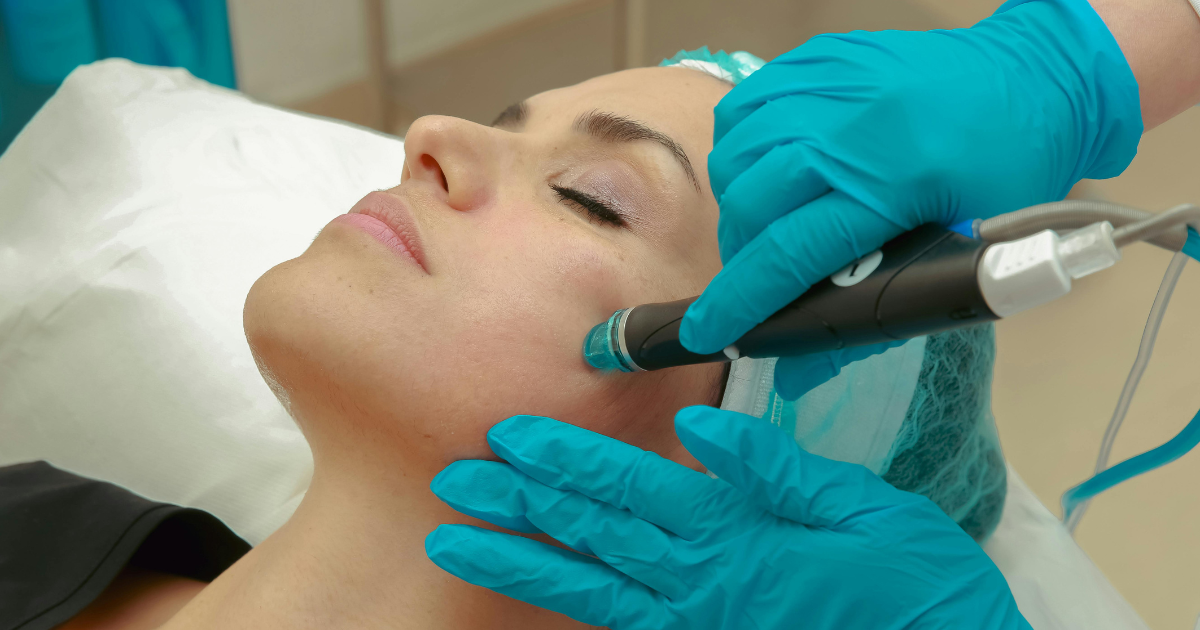
Microdermabrasion generally uses an abrasive tip or particles with suction to remove part of the outermost layer of dead surface cells. It may be selected to improve the cosmetic appearance of dullness, rough texture, or mild congestion.
Exfoliation should always be controlled. The American Academy of Dermatology’s exfoliation guidance explains that the appropriate method depends on skin type and that excessive exfoliation may increase redness, dryness, or breakouts.
Combining microdermabrasion with strong home exfoliants can overwhelm the skin. Clients should ask when they can resume products containing retinoids, glycolic acid, salicylic acid, or benzoyl peroxide.
Chemical Peels Should Match Experience and Goals
Chemical peels use selected ingredients to create controlled exfoliation. Lighter peels may offer surface-level refreshment with little downtime, while more intensive options can involve visible flaking, sensitivity, and longer recovery.
A tiered peel menu helps clients select an appropriate starting point. Someone receiving a peel for the first time may benefit from a lighter option. A client with previous peel experience and a more advanced concern may be evaluated for a stronger formulation.
Before a peel, the provider should review:
- Skin type and sensitivity
- Current skincare products
- Prescription and over-the-counter medications
- Recent waxing or other exfoliating treatments
- History of cold sores
- Sun exposure and tanning
- Tendency to develop dark marks after irritation
Certain peel ingredients can increase sensitivity to sunlight. The FDA advises that cosmetics containing some alpha hydroxy acids may increase sun sensitivity, making sunscreen and responsible aftercare especially important.
LED Therapy Offers a Non-Abrasive Add-On
LED light therapy exposes the skin to specific wavelengths of visible light. In cosmetic settings, different settings may be used as part of care for concerns such as visible inflammation, breakouts, or signs of aging.
One reason LED has become a popular facial add-on is that it does not exfoliate the skin mechanically. This can make it an appealing complement to other services when the client is an appropriate candidate.
LED treatment still requires professional screening. Clients should mention photosensitivity, medications that increase light sensitivity, seizure disorders triggered by light, eye conditions, pregnancy, and ongoing medical treatments. Protective eyewear should be used according to the device instructions.
Results and recommended frequency vary. LED should be viewed as one possible component of a skincare plan rather than a guaranteed solution for every concern.
Add-Ons Allow More Precise Customization
Facial add-ons make it possible to modify a core service without choosing an entirely different appointment. They may include extractions, an eye treatment, facial massage, a targeted mask, high-frequency treatment, dermaplaning, or LED therapy.
The most useful add-on is the one that addresses a real need. Choosing several simply because they are available can increase cost and may introduce more stimulation than the skin requires.
Before adding a service, ask:
- What concern is this designed to address?
- Is it appropriate for my skin today?
- Will it change the expected downtime?
- Does it conflict with anything I use at home?
- How will I know whether it is helping?
Preparing for a Facial Appointment
A little preparation helps the esthetician make safer, more relevant choices. Bring or photograph the products you currently use, including prescription creams. Mention recent cosmetic procedures, waxing, injectables, sunburn, allergies, and previous reactions.
Before the visit:
- Avoid experimenting with a new strong active ingredient.
- Do not pick or squeeze breakouts.
- Ask whether retinoids or exfoliating acids should be paused.
- Reschedule if the treatment area has an active infection or sunburn.
- Know whether you have an event that limits acceptable downtime.
Afterward, follow the provider’s instructions. A simple routine with gentle cleansing, moisturizer, and broad-spectrum sunscreen is often preferable to immediately restarting every active product.
Choosing the Right Facial Frequency
There is no universal facial schedule. Frequency depends on the treatment, skin condition, home routine, budget, and goals. A gentle express facial may fit into regular maintenance, while a stronger peel needs appropriate recovery time between appointments.
More frequent treatment is not always better. Redness, stinging, unusual dryness, or increased breakouts can indicate that the skin needs less stimulation. A good plan should be adjusted when the skin’s response changes.
Facial Services at Glow Facial Bar in Denver
Glow Facial Bar is located at 2808 East 6th Avenue in Denver, Colorado 80206. Its open-concept facial bar offers express and advanced facial services designed around different schedules and skincare goals.
The current facial menu includes targeted express treatments, oxygenating and ice-globe facials, layered treatments, dermaplaning, microdermabrasion, professional peels, and customizable add-ons. The studio also offers professional skin analysis and Celluma LED light therapy.
Available services, seasonal treatments, pricing, and appointment times may change. Clients should review the current menu and share their skin history before booking an advanced exfoliating service.
The Future of Facials Is Flexible and Informed
The modern facial is becoming less standardized and more responsive. Express options improve accessibility, imaging adds useful information, and carefully selected treatments allow clients to address specific cosmetic concerns without following the same routine as everyone else.
The strongest skincare strategy combines professional treatment with realistic home care. When the service matches the skin, the schedule, and the client’s goals, a facial becomes more than a temporary glow—it becomes a practical part of an informed skincare routine.